Understanding The Risks Of Mold Growth After Heavy Rains In Broward
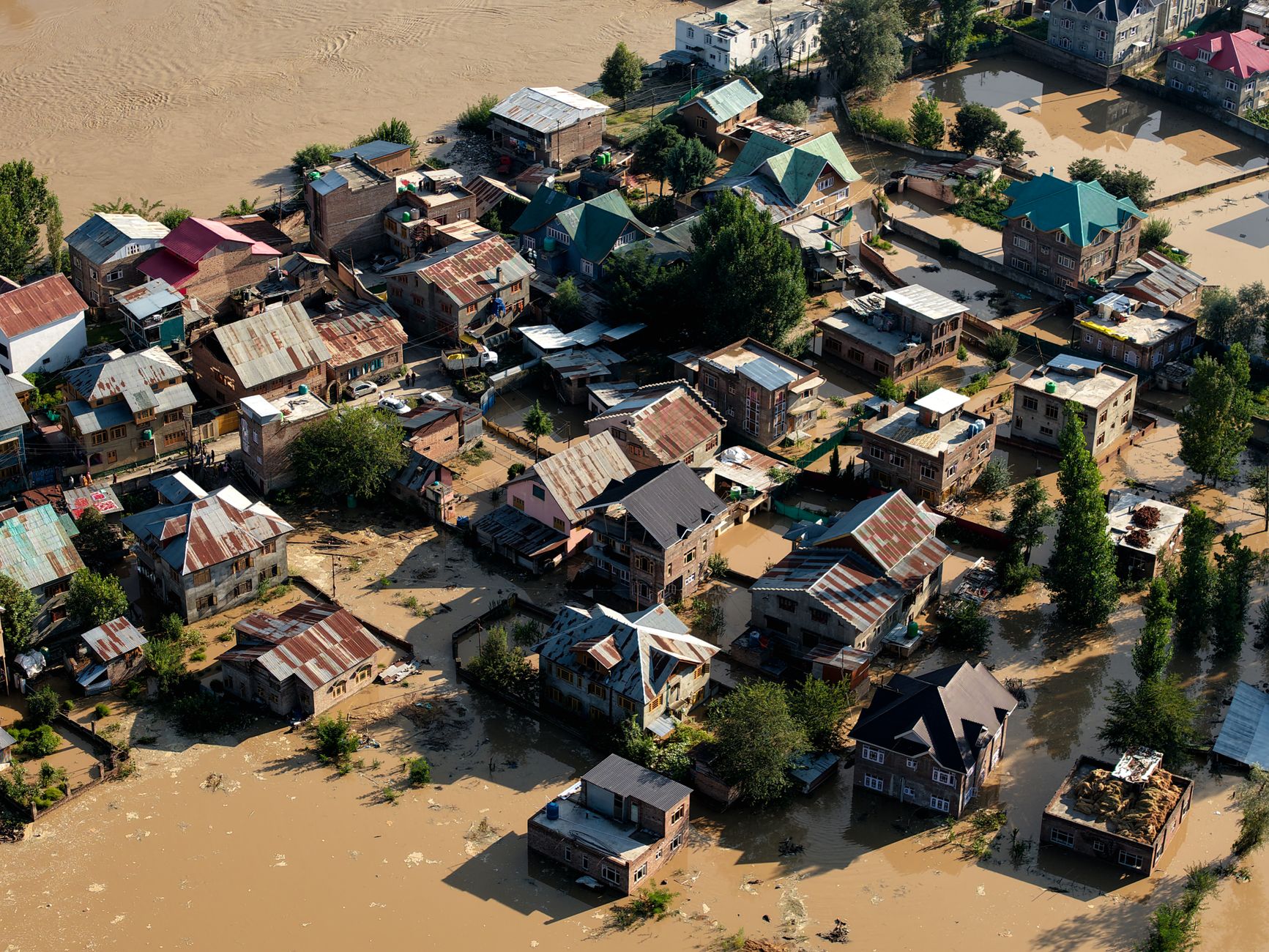
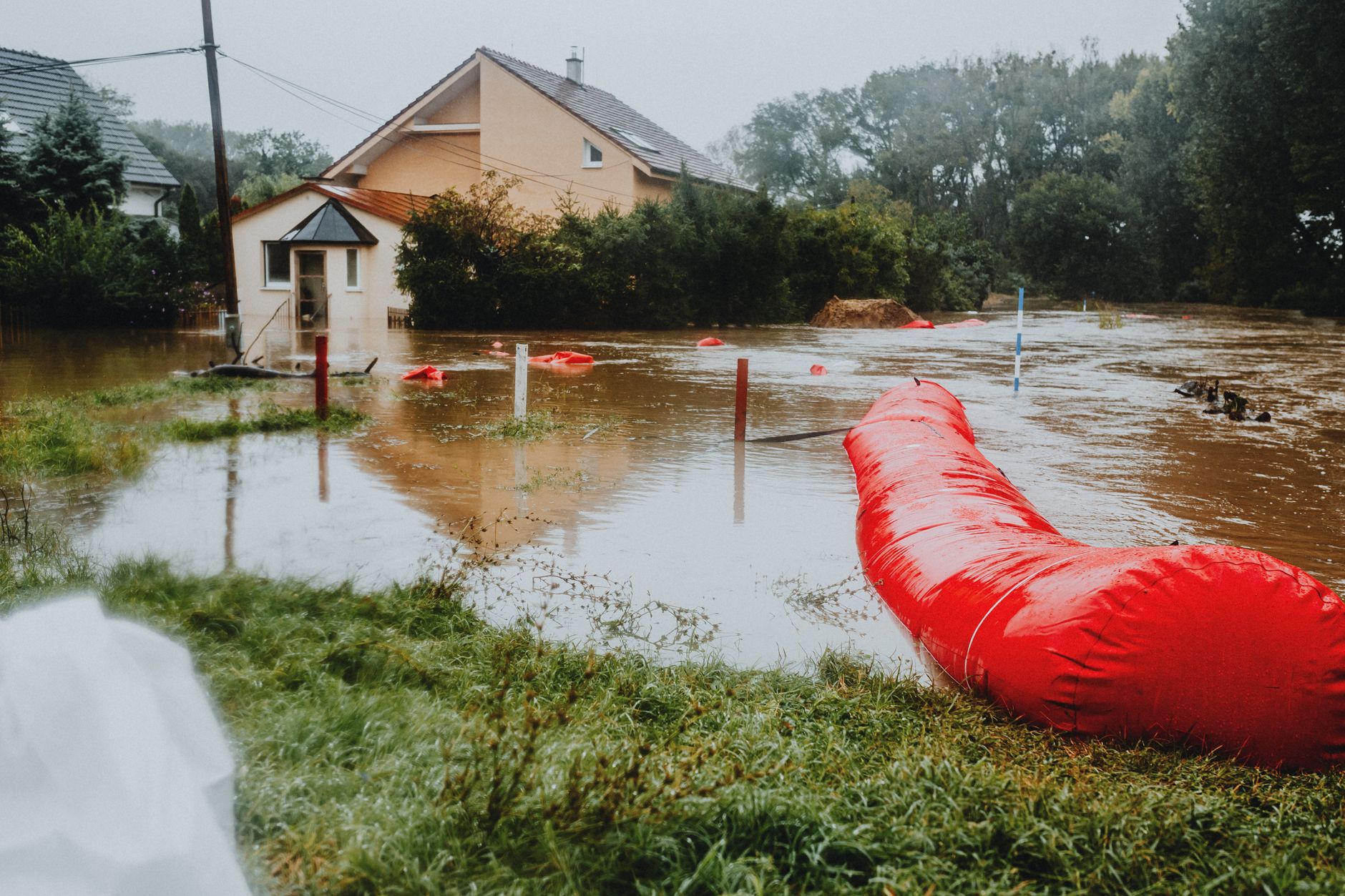
Heavy rains can bring a sense of relief, especially in regions like Broward County where drought conditions might have persisted. However, the aftermath of such downpours can create a breeding ground for mold growth in homes. As a homeowner, it’s essential to understand the risks associated with mold, particularly after experiencing significant rainfall.
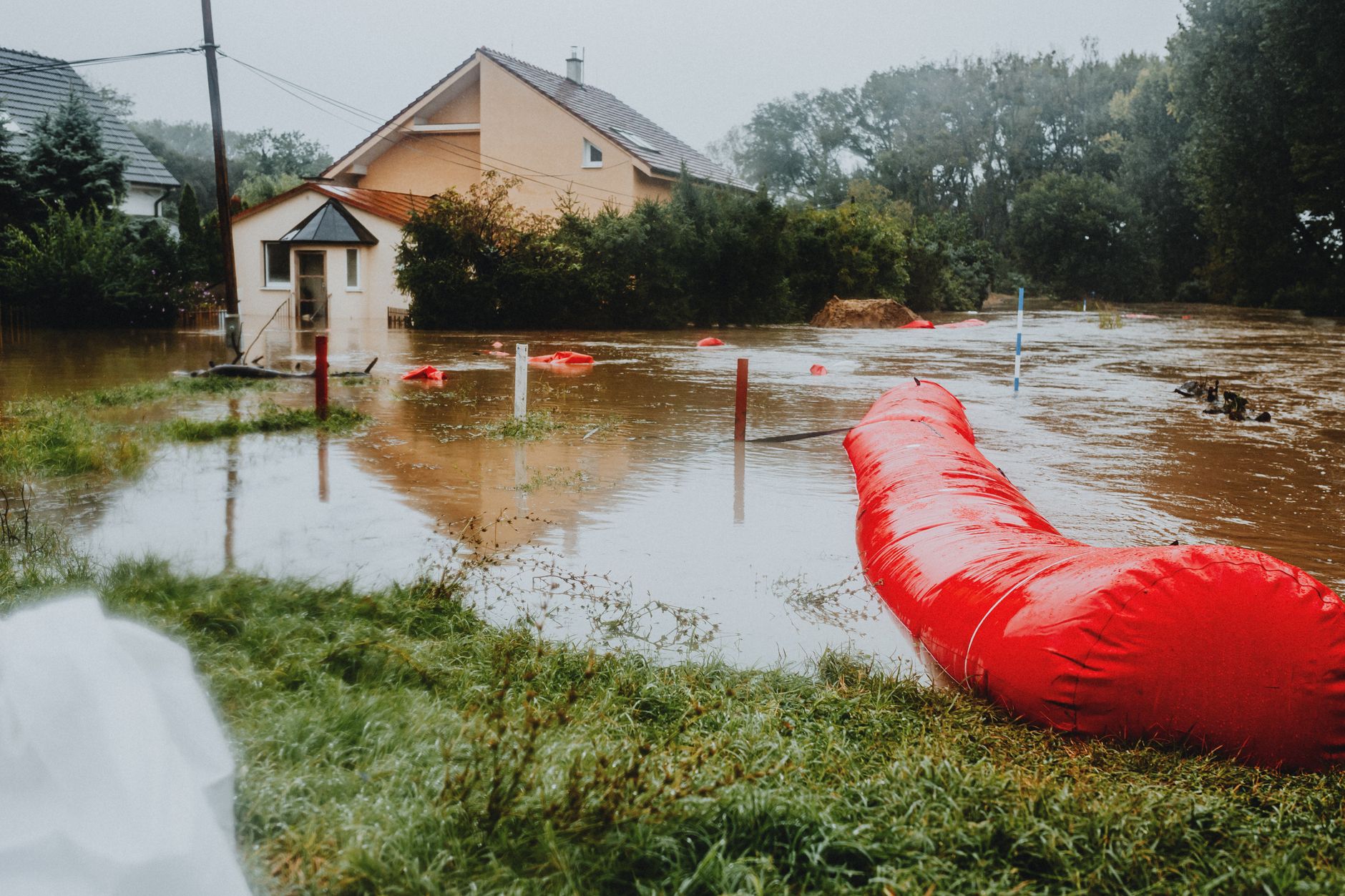
When heavy rain falls, water can infiltrate your home in various ways. From roof leaks and window seals to cracks in the foundation, water may find its way indoors. Once inside, the humid conditions coupled with organic materials—like wood, drywall, and even carpets—create an ideal environment for mold spores to thrive. Not only can mold lead to structural damage, but it can also pose serious health risks, especially for those with respiratory issues.
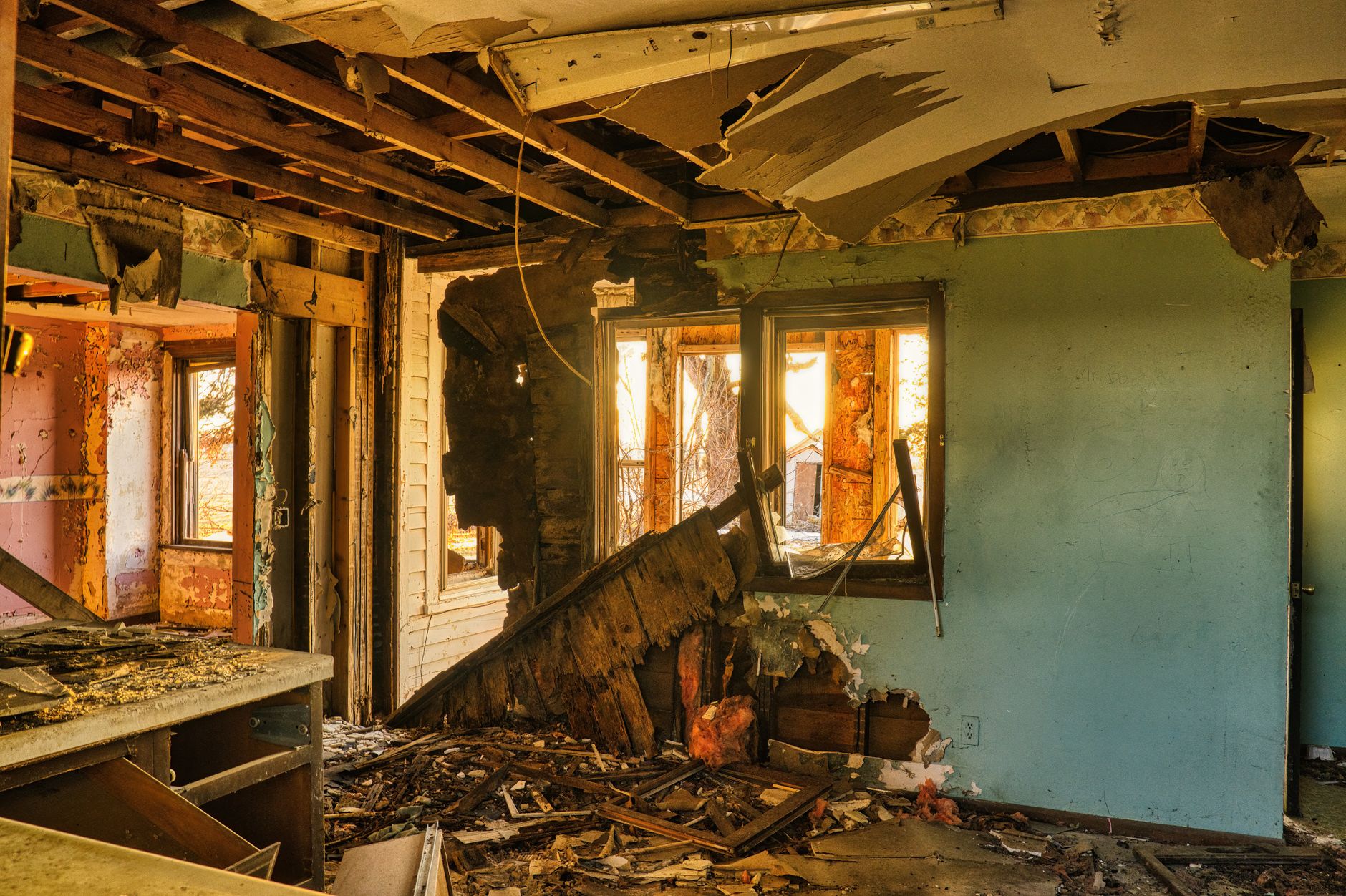
Common Signs of Mold Growth
Identifying mold early can save you a lot of time, money, and stress. Here are some common signs to look out for:
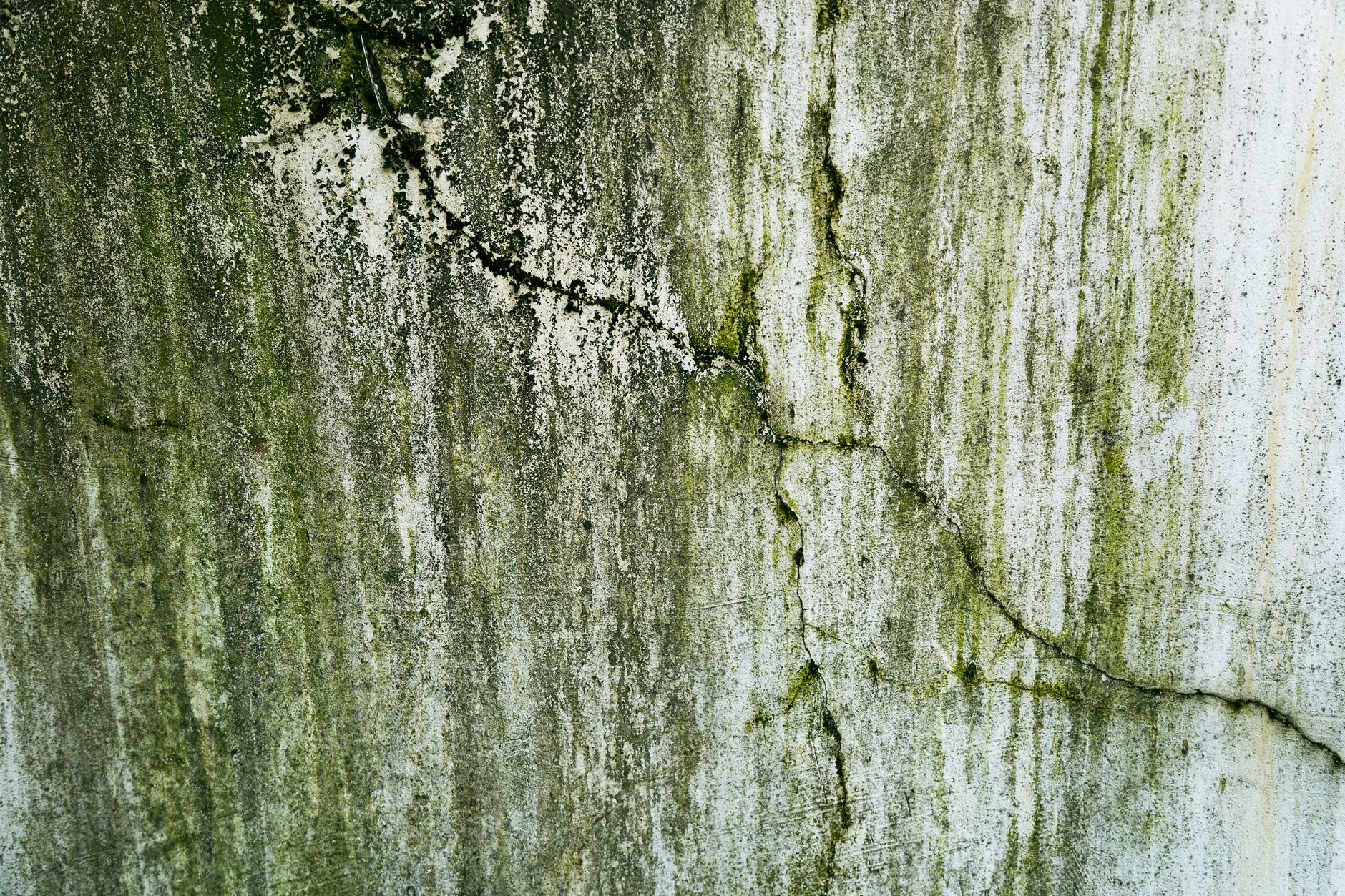
- Visible Mold: This can appear as black, green, or white patches on walls, ceilings, or floors.
- Musty Odors: A damp, earthy smell in your home can indicate mold presence.
- Water Damage: Stains or discoloration on walls and ceilings may suggest leaks that could foster mold growth.
If you notice any of these signs, it's crucial to take action. Ignoring the problem can lead to more extensive damage and health concerns.
When to Call a Professional
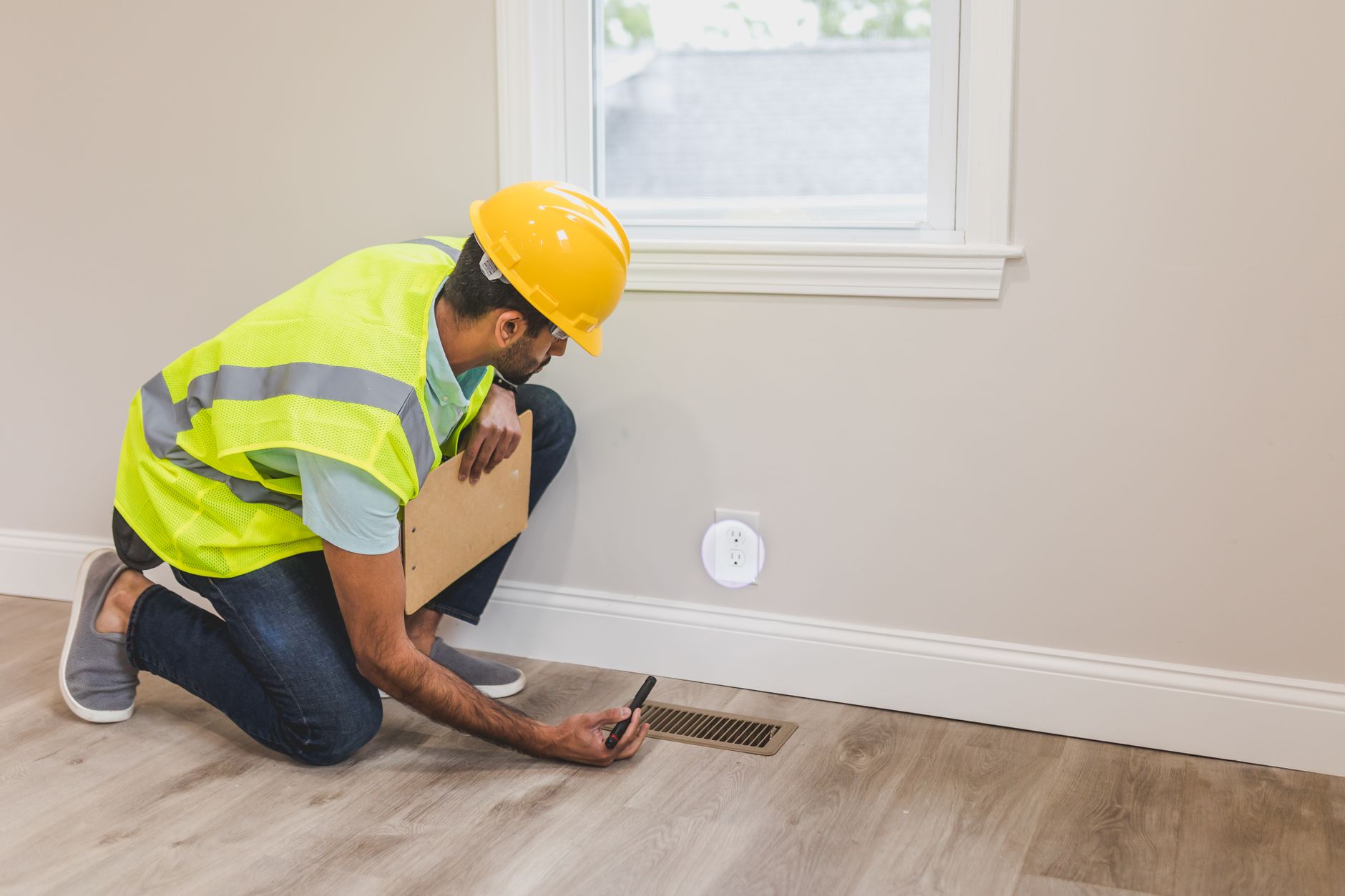
While minor mold issues can sometimes be addressed with DIY methods, larger infestations or water damage often require professional intervention. At Broward Restoration Pros, we understand how overwhelming it can be to deal with the aftermath of heavy rains and the potential for mold growth. Our team is equipped to assess your property, identify the extent of any damage, and implement a thorough remediation plan.
If you suspect mold growth in your home, don’t hesitate to reach out for help. Our specialized services include air duct mold removal, bathroom mold removal, and comprehensive mold remediation strategies tailored to your needs.
Preventing Mold Growth After Heavy Rains
Prevention is key when it comes to mold growth. Here are some proactive steps you can take after heavy rains:
- Inspect your property for any signs of leaks or water intrusion.
- Ensure proper drainage around the foundation of your home.
- Keep gutters clean and functional to direct water away from your home.
- Ventilate areas prone to moisture, such as bathrooms and attics.
By taking these steps, you can significantly reduce the likelihood of mold taking hold in your home. Additionally, consider consulting with a plumbing expert to ensure your drainage systems are functioning correctly. For more information on maintaining your plumbing, visit Broward Plumbing Pros.
Conclusion
Living in Broward County means being prepared for heavy rainfalls and understanding their implications on your home. Mold growth after such events is a significant concern, but with vigilance and timely intervention, you can protect your home and health. If you need assistance or suspect mold in your home, don’t hesitate to contact us for a thorough inspection and remediation.
For more insights on home maintenance and flood prevention, check out this informative article on understanding drainage systems in preventing flood damage.