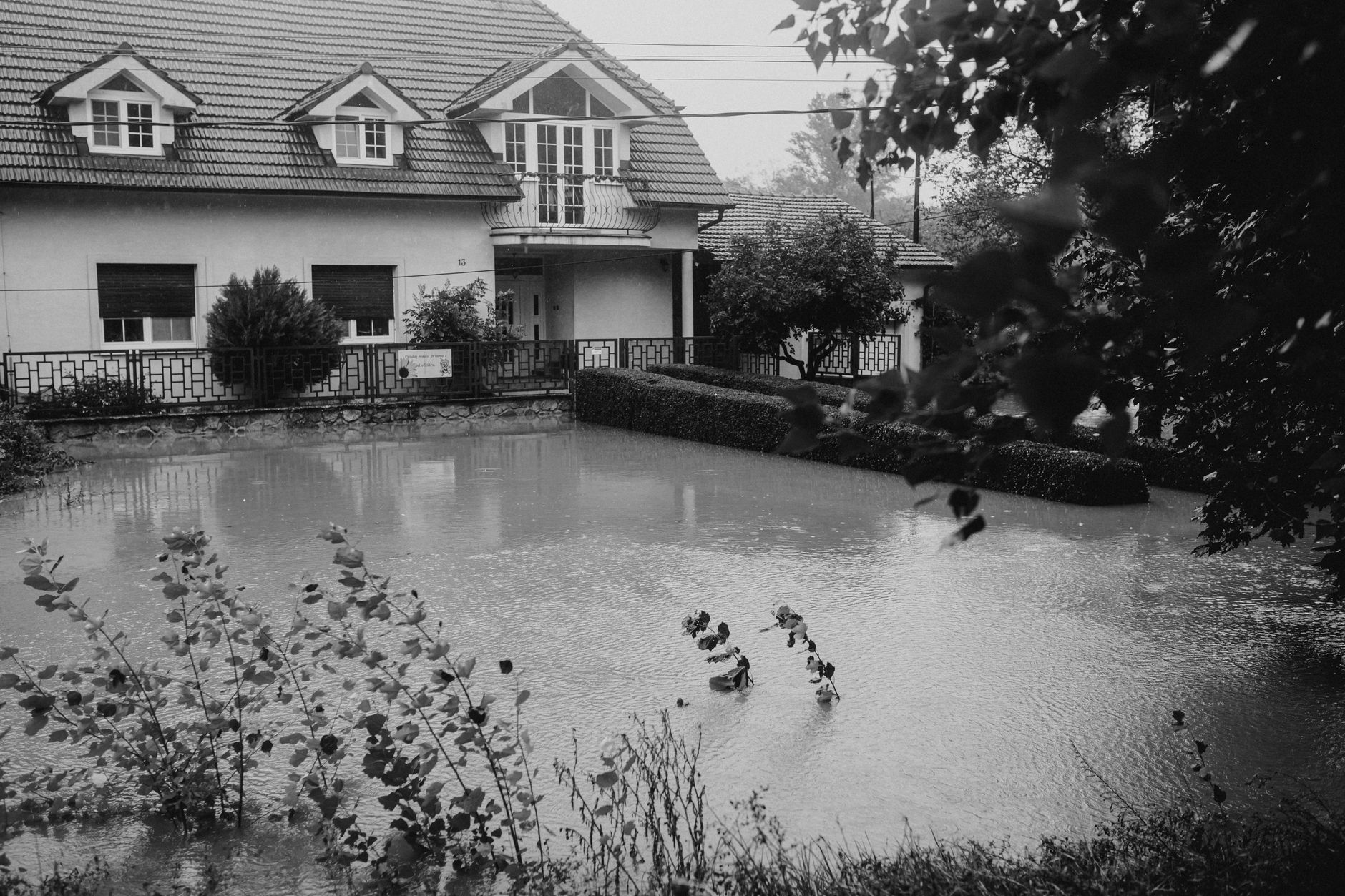
How To Assess Your Broward Home's Risk For Water Damage During Hurricane Season
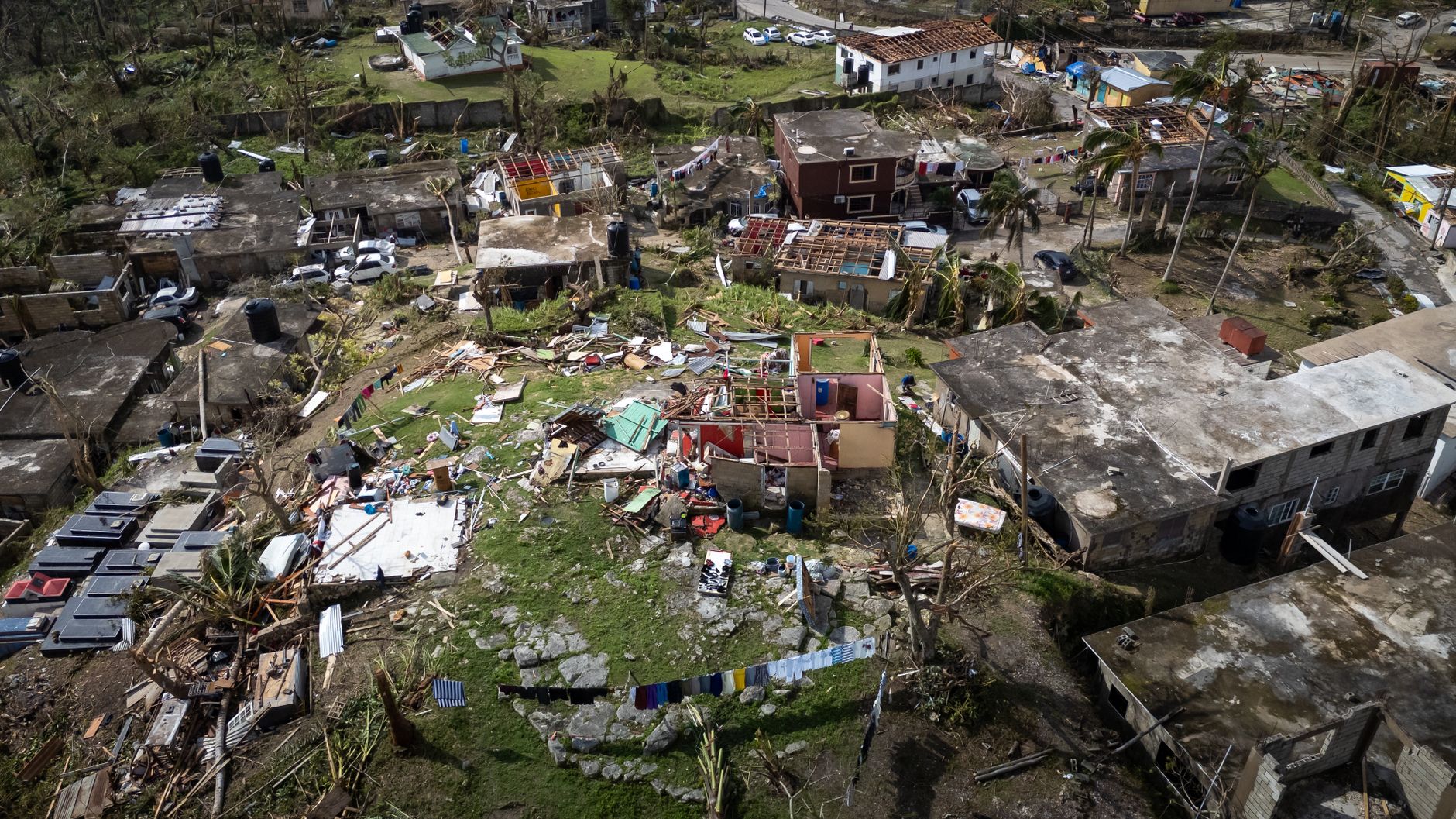
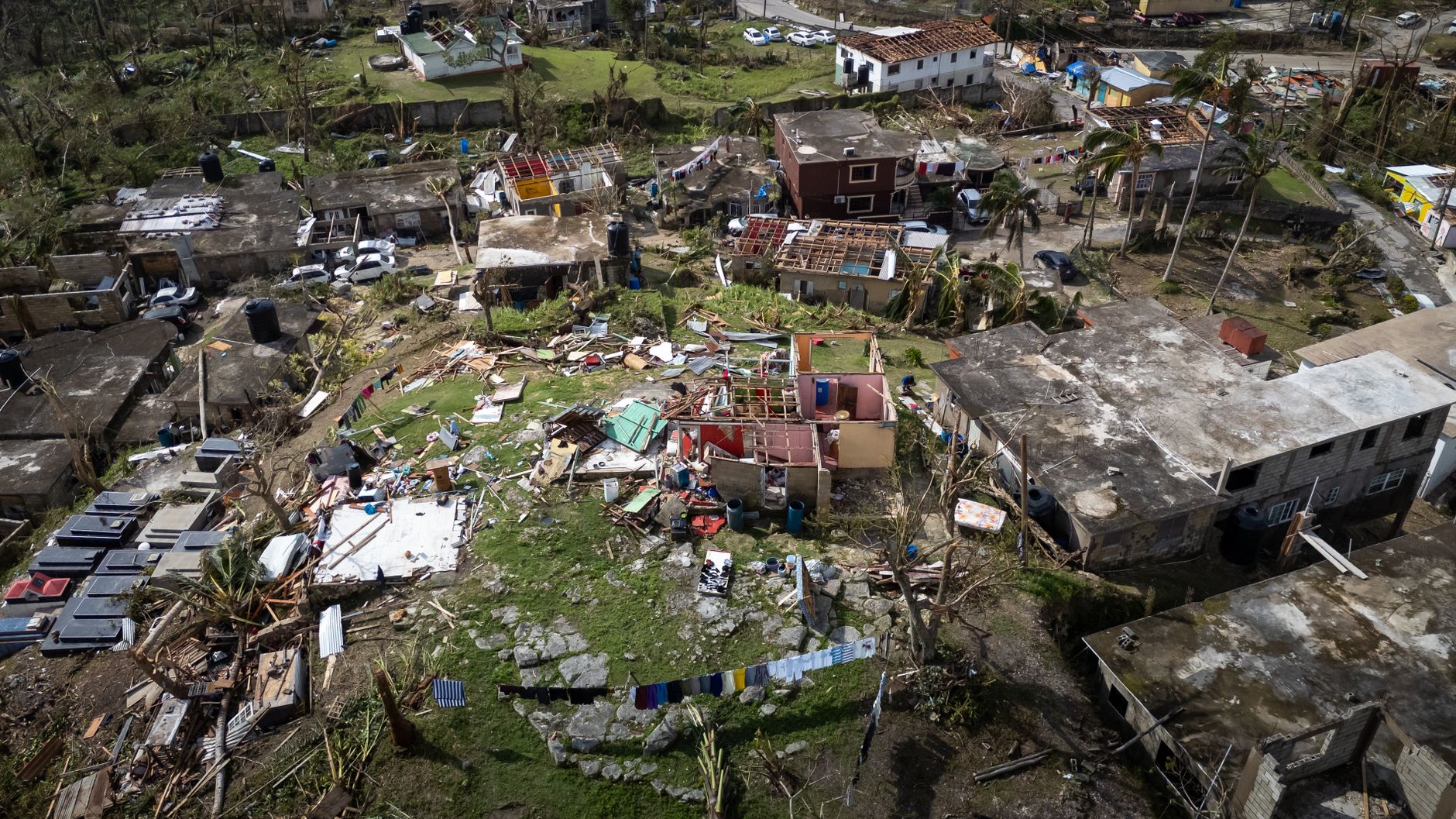
As hurricane season approaches, the anxiety of potential water damage looms large for homeowners throughout Broward County. With the unpredictability of storms, assessing your home’s risk for water damage is crucial. Understanding where vulnerabilities lie can empower you to take proactive measures to safeguard your property.
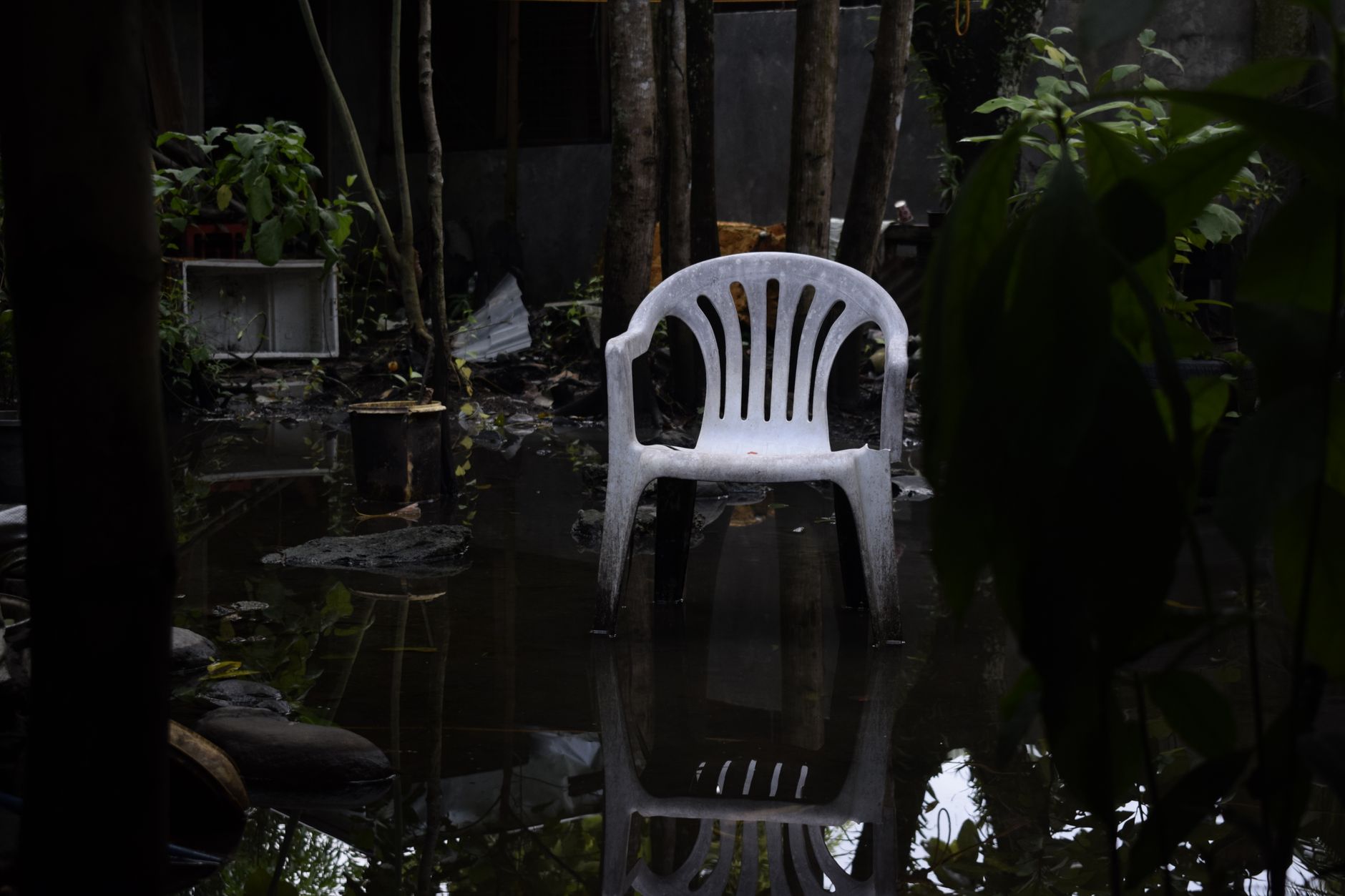
One of the first steps is to evaluate your property’s location. Homes in low-lying areas or those close to bodies of water are often at higher risk for flooding. Consider the elevation of your home and whether it has been affected by previous storms. If your home has flooded before, that history can be a telling sign of future vulnerabilities.
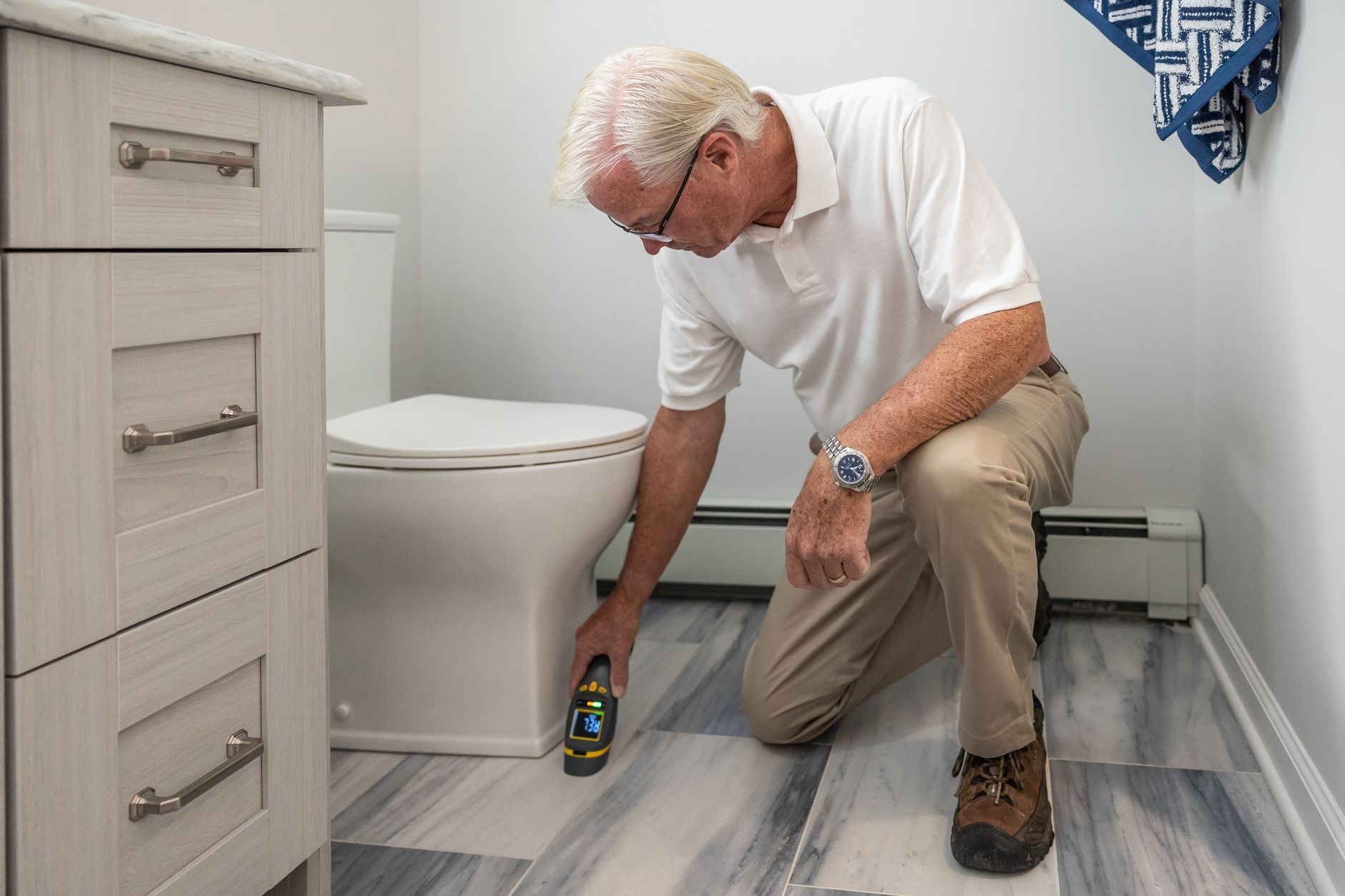
Inspecting Your Home’s Exterior
Next, focus on the exterior of your home. Walk around and inspect the foundation, walls, and windows. Look for cracks or gaps that may allow water to seep in. Pay special attention to:
- Gutters and Downspouts: Ensure they are clear of debris and direct water away from your foundation.
- Roof Condition: Check for missing or damaged shingles that can lead to leaks during heavy rains.
- Sealing and Caulking: Inspect areas around windows and doors for wear and tear that might let in water.
By addressing these areas, you can significantly reduce your risk of water intrusion. Additionally, it’s wise to consider the installation of a sump pump in your basement if you live in an area prone to flooding. This device can help mitigate potential damage during heavy rains.
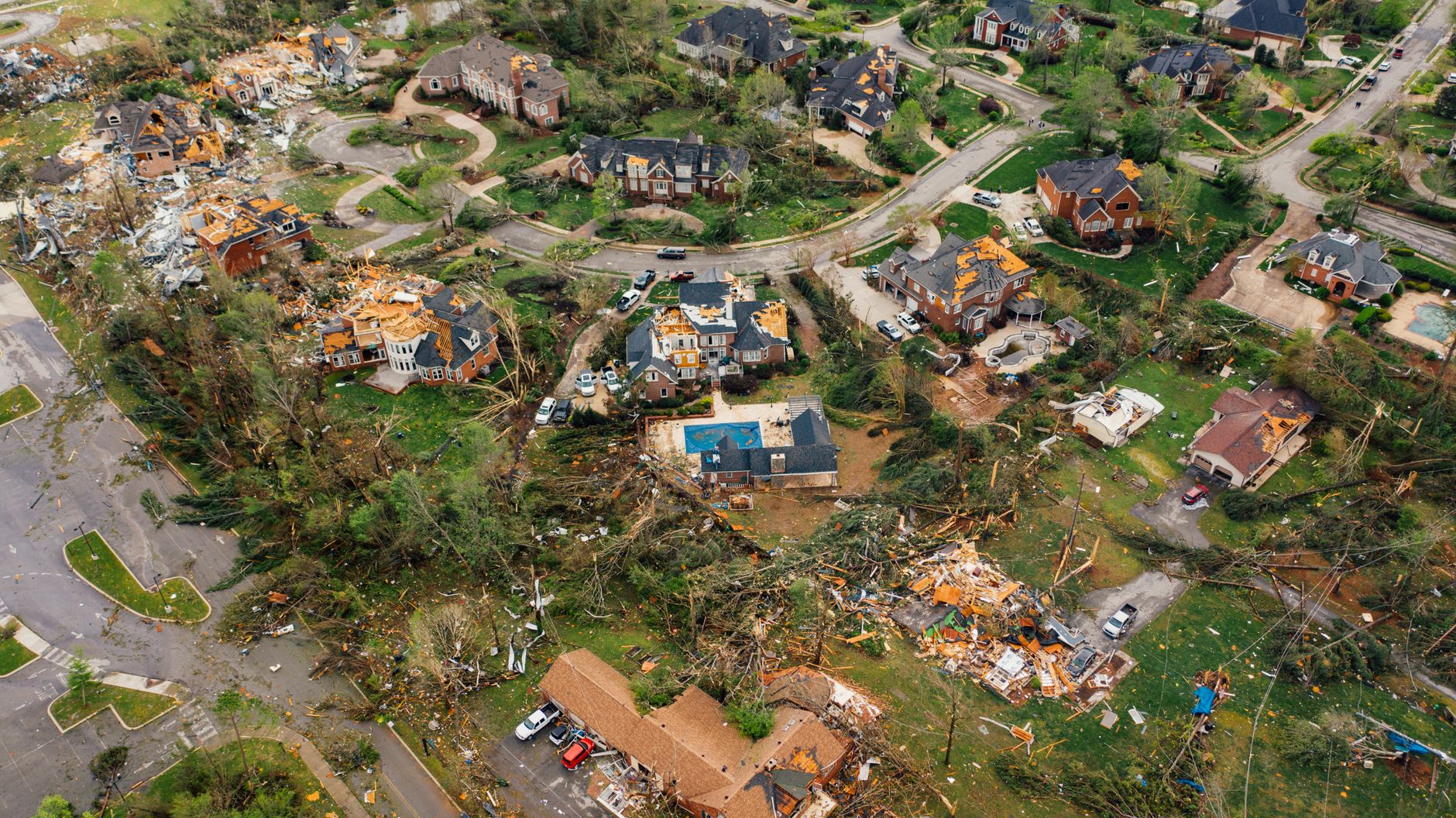
Interior Preparations
Inside your home, take the time to assess your plumbing system. Leaks from appliances or plumbing fixtures can lead to significant water damage, especially during a storm when you may be relying more on your plumbing system. If you notice any signs of leaks, such as water stains or damp spots, it’s essential to address them immediately. For comprehensive inspections, you might consider reaching out to professionals for refrigerator water line leak services to ensure your home is prepared.
Furthermore, understanding how your home's drainage system works can be beneficial. Make sure that all drain lines are functional and that there are no blockages that could exacerbate flooding issues.
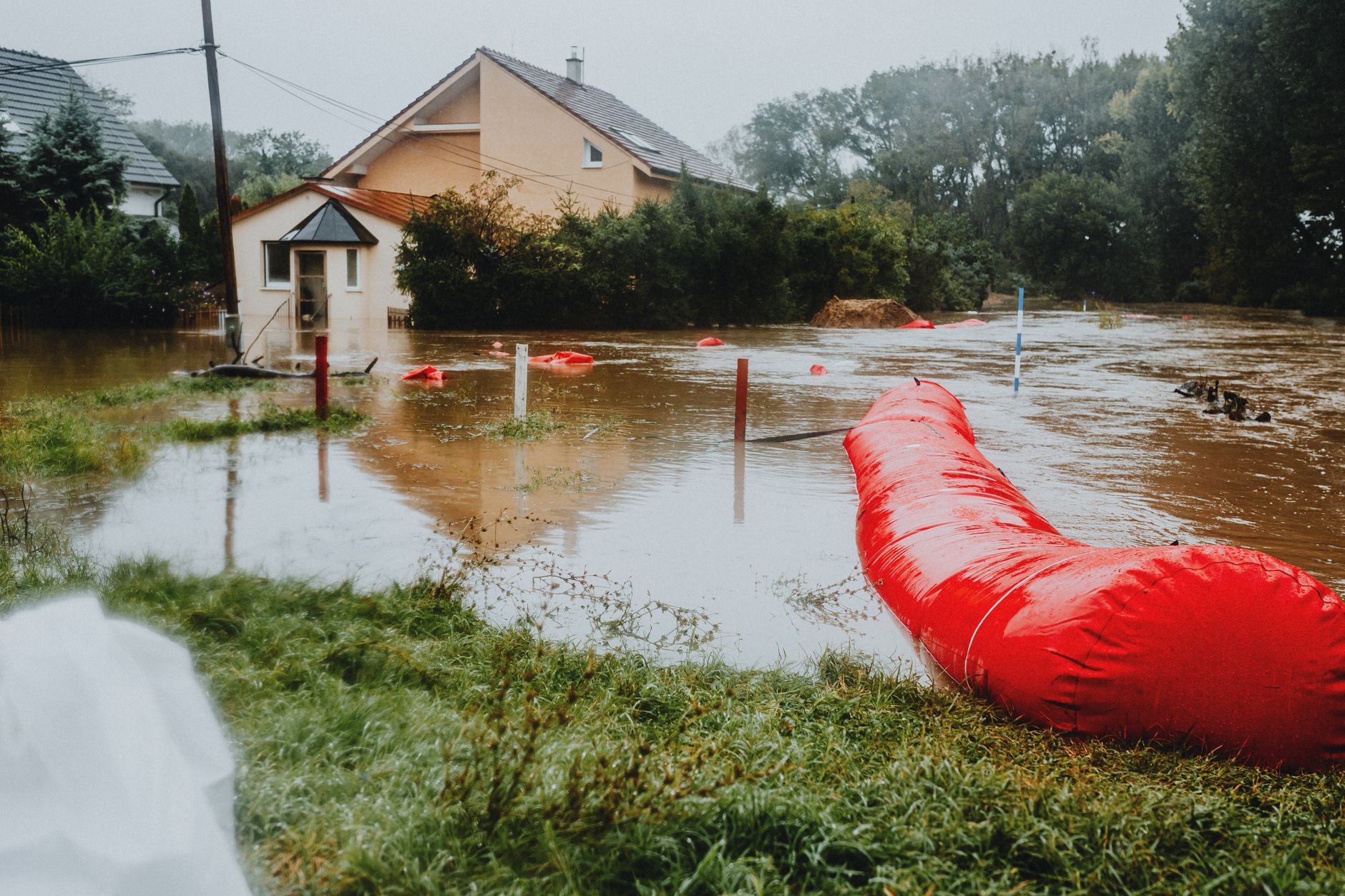
Emergency Preparedness
It’s also essential to have an emergency plan in place. Create a checklist of items to prepare before a storm, including:
- Stocking up on sandbags to place around entry points.
- Identifying safe spots in your home for family members to gather.
- Having a supply of emergency water and non-perishable food.
Take the time to create a communication plan with family members. Knowing how to reach each other and where to go in an emergency can alleviate stress during a storm.
When To Call In Professionals
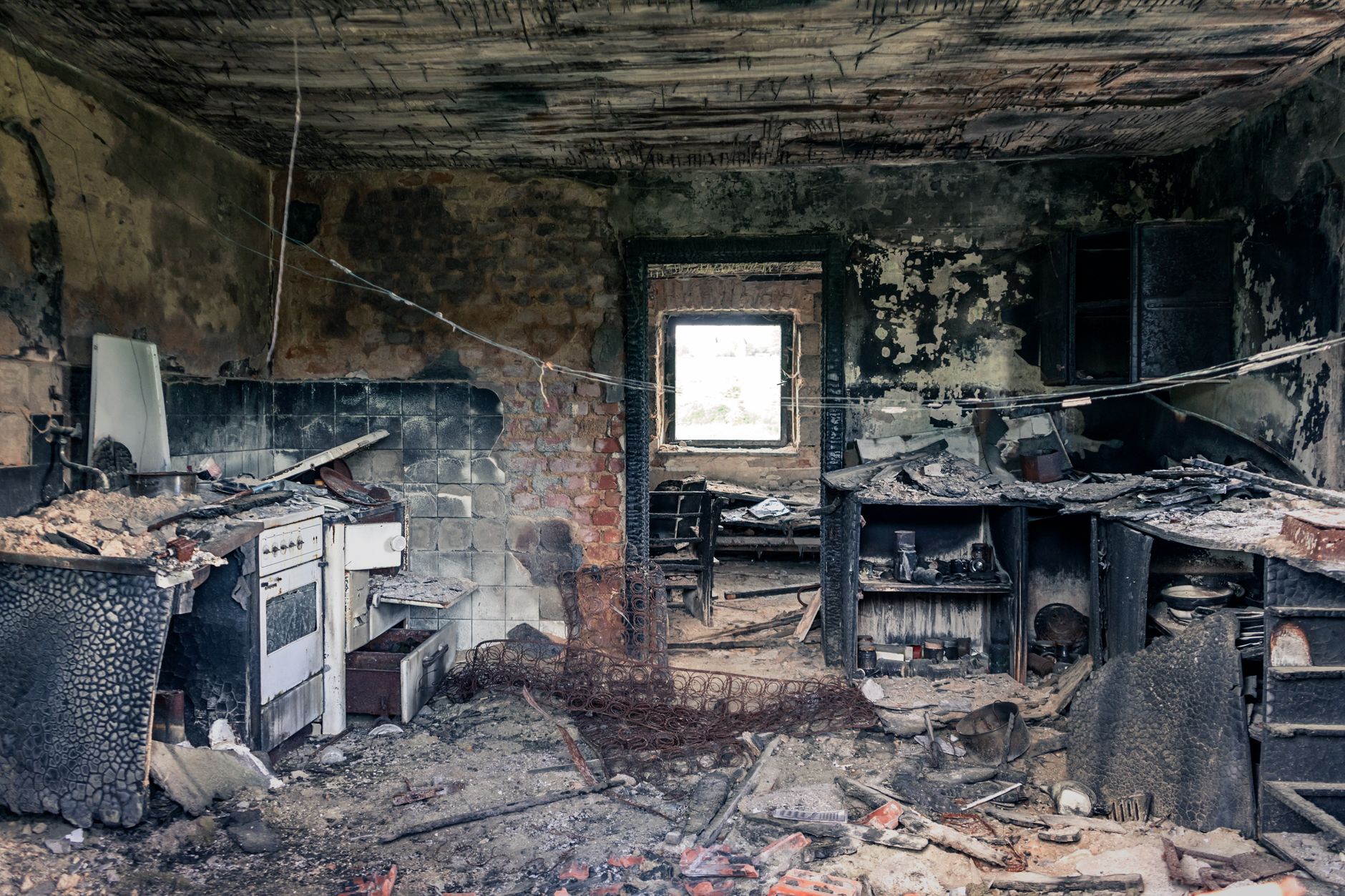
If you find your home experiencing water damage during or after a storm, it’s crucial to contact a professional restoration company immediately. They can assess the damage and begin remediation to prevent further issues such as mold growth. For more information on how to effectively manage water damage after a storm, check out our 24-Hour Water Damage Restoration service.
In addition, it’s wise to stay informed about potential plumbing issues as they may arise during storms. For more detailed guidance on preparing your plumbing for hurricane season, visit this helpful blog article.
Conclusion
As hurricane season approaches, taking the right steps to assess your home’s risk for water damage can make all the difference. By evaluating your property’s vulnerabilities and making necessary preparations, you can minimize potential damage and ensure the safety of your home and family. Remember, being proactive is key, and when in doubt, reach out to professionals who can help guide you through the restoration and mitigation process.