How Broward Homeowners Can Prevent Mold Growth After Water Damage
As a homeowner in Broward County, the aftermath of water damage can be overwhelming. Whether it’s a burst pipe, a leaky roof, or flooding from a storm, the immediate concern is often the damage to your property. However, one critical issue that can arise if not addressed promptly is mold growth. Mold can pose serious health risks and lead to costly repairs if left unchecked. But fear not; with the right knowledge and preventative measures, you can protect your home and family.
Understanding Mold Growth
Mold thrives in damp and humid environments, making water-damaged areas prime candidates for its development. Within 24 to 48 hours of water exposure, mold spores can begin to grow, turning potential minor issues into major problems.

Signs of Mold Growth
Keeping an eye out for the signs of mold is crucial. Look for:
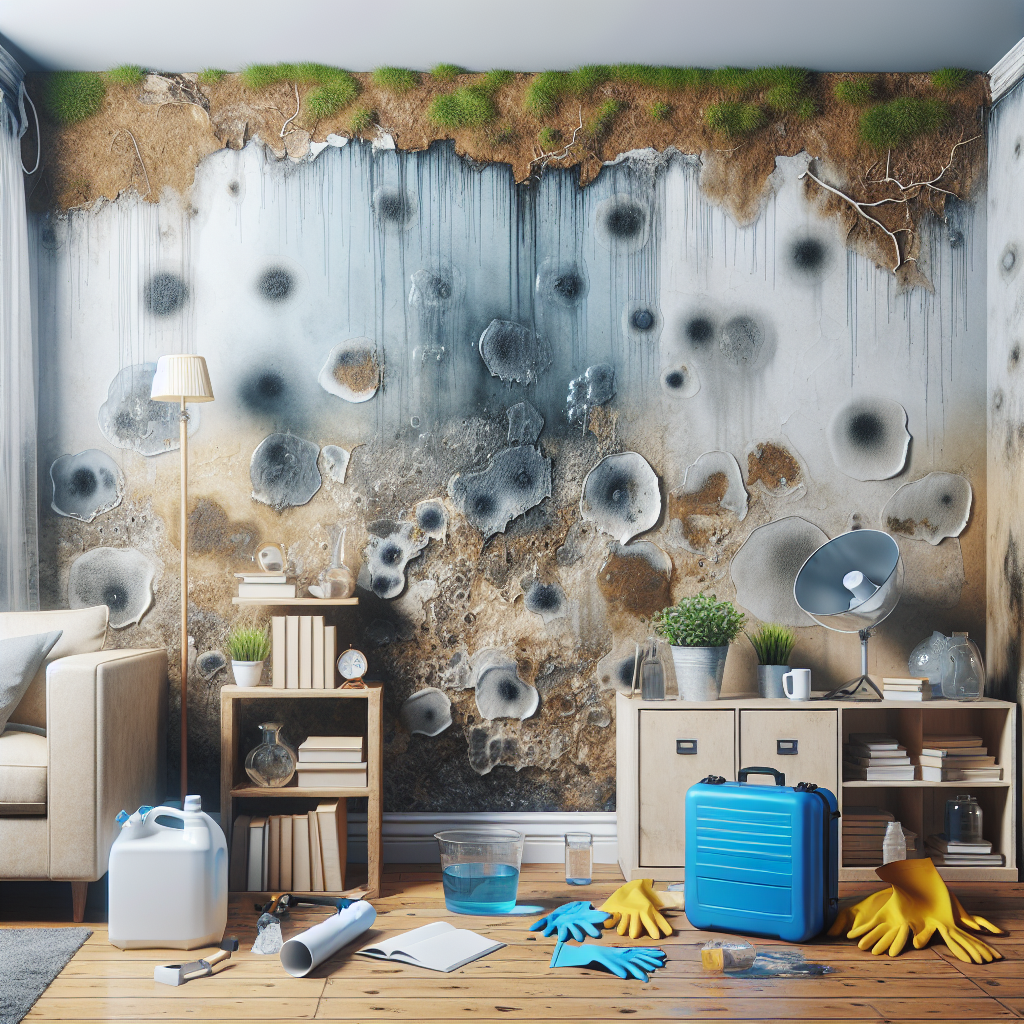
- Visible mold spots on walls, ceilings, or floors.
- A musty smell that lingers even when the area is ventilated.
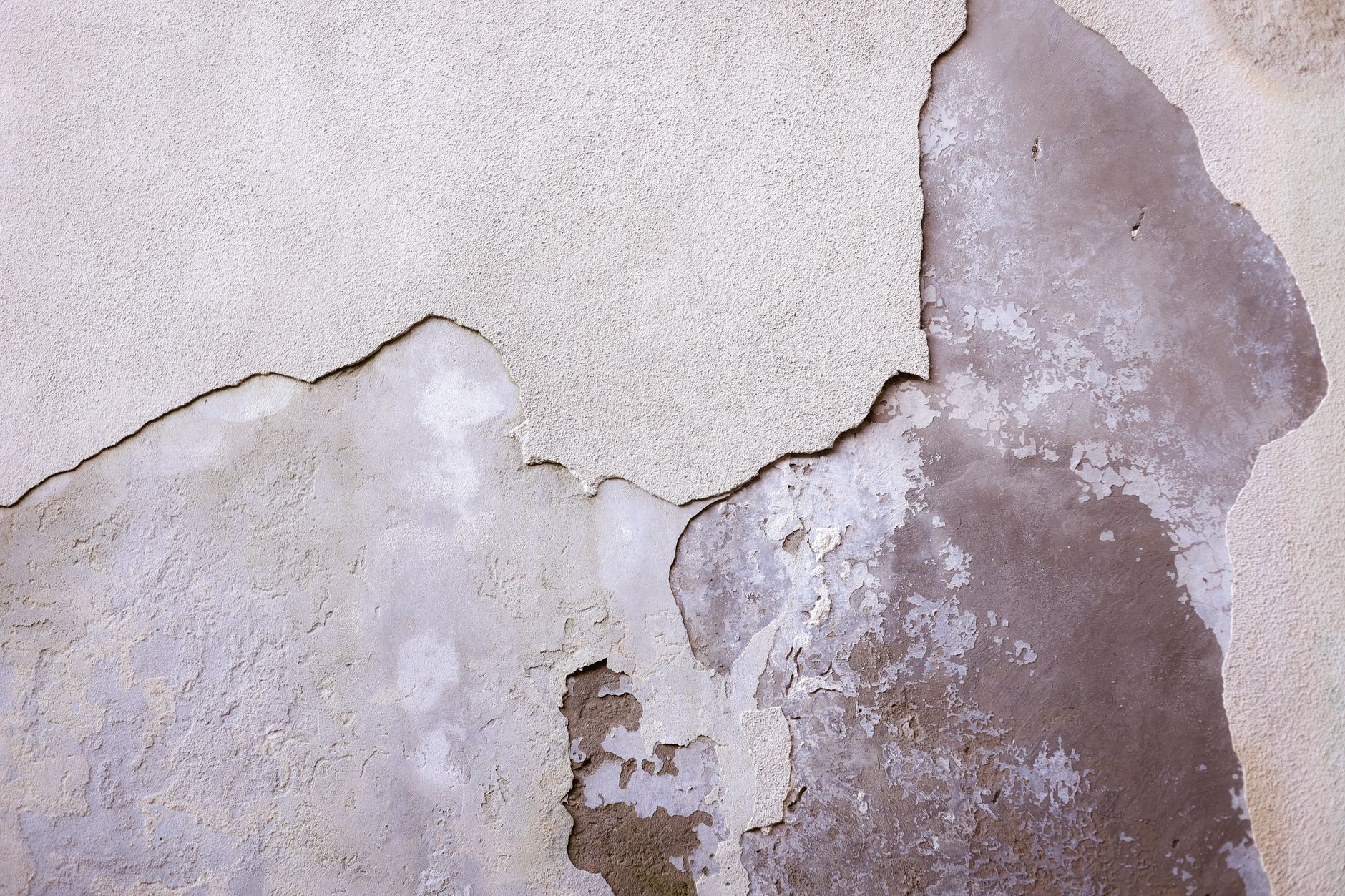
- Water stains or discoloration on surfaces.
If you notice any of these signs, it’s important to act quickly to mitigate the problem.

Steps to Prevent Mold Growth
Here are several proactive steps you can take to prevent mold after water damage:
1. Act Quickly
The first 24 hours after water damage are critical. If you can, begin the cleanup process immediately. Remove any standing water and dry out your property as quickly as possible. Use dehumidifiers and fans to increase air circulation.
2. Remove Affected Materials
Some materials, like drywall and carpeting, can absorb water and promote mold growth. If materials are saturated and cannot be dried thoroughly, consider removing them. This is especially true for any porous materials that have been affected.
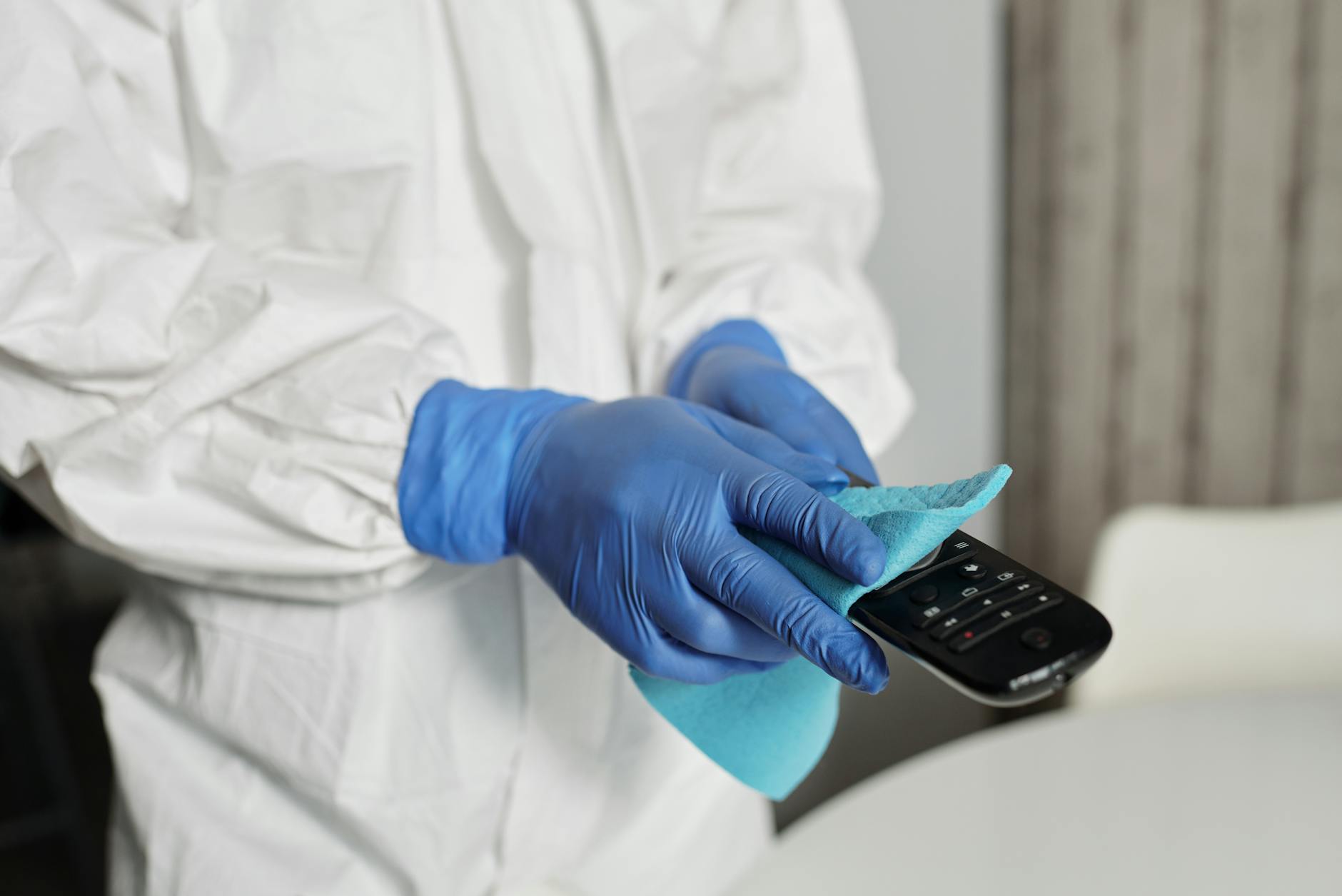
3. Clean and Disinfect
Once you've removed any damaged materials, clean and disinfect surfaces that were exposed to water. Use a mixture of water and detergent, and for additional protection against mold, consider using an antimicrobial treatment. Our antimicrobial treatments can be particularly effective in preventing mold spores from taking root.
4. Ensure Proper Ventilation
Good airflow is essential in preventing mold. Open windows and doors to allow fresh air to circulate, and consider using fans to help with this process. In areas prone to humidity, such as bathrooms and kitchens, ensure that exhaust fans are working effectively.
5. Monitor Humidity Levels
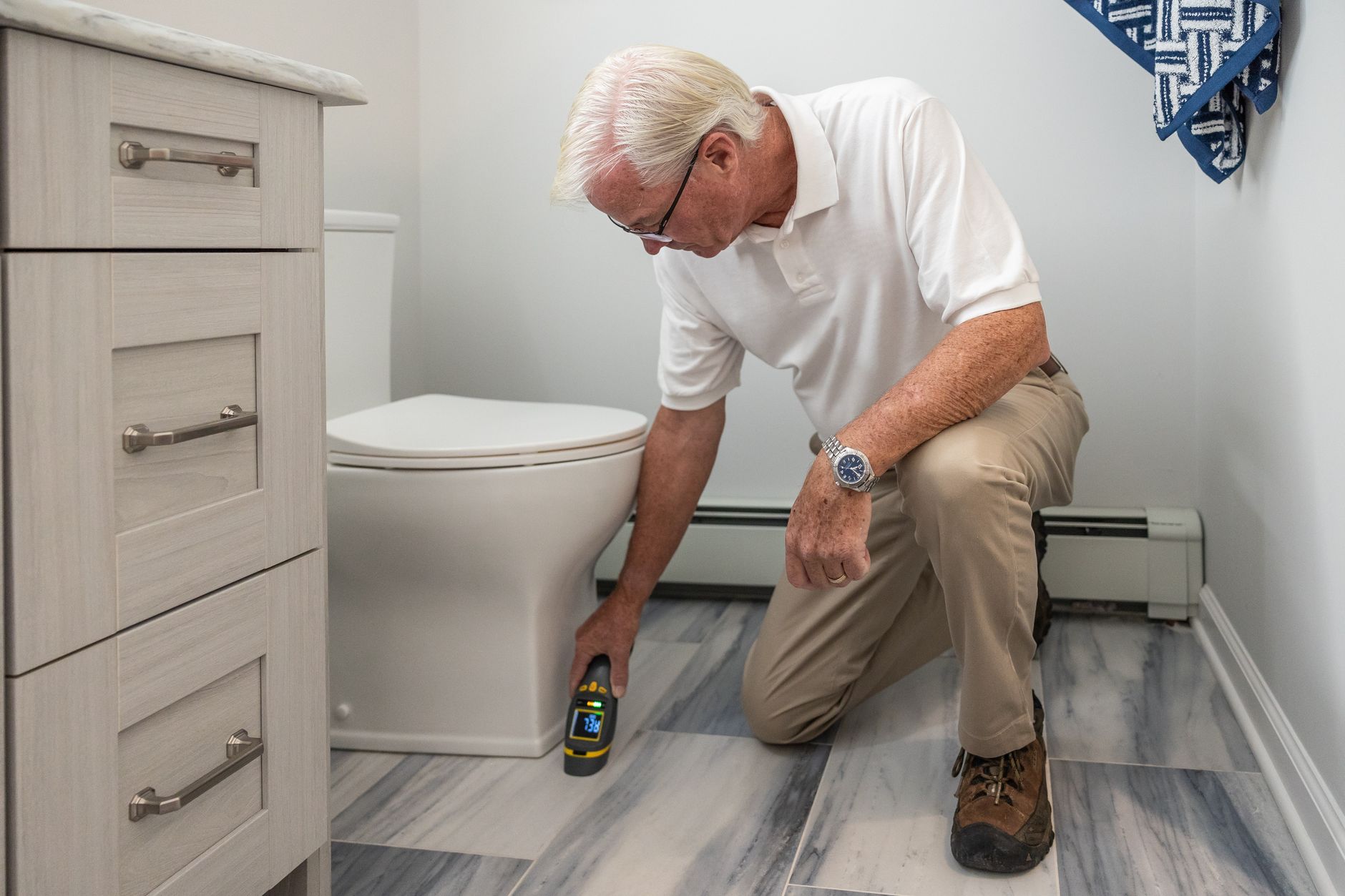
Keep an eye on the humidity levels in your home, especially in the wake of water damage. Ideally, humidity levels should be kept below 60%. A hygrometer can help you monitor this, and using a dehumidifier can assist if levels rise.
6. Regular Maintenance
Regularly inspect your home for leaks and address any plumbing issues promptly. Having a proactive approach can save you from dealing with larger water damage issues down the road. If you suspect a problem, don’t hesitate to contact professionals. For plumbing concerns, you can refer to Broward Plumbing Pros for assistance.
When to Call a Professional
If you find yourself facing significant water damage, it may be necessary to contact a restoration professional. Mold remediation can be complex, especially if it has spread beyond a small area. Professionals have the tools and expertise to handle the situation safely and effectively. If you're looking for reliable help, our 24-hour water damage restoration services are here for you.
Conclusion
Taking swift action after water damage is essential in preventing mold growth in your home. By following these steps and remaining vigilant, you can protect your property and ensure a healthy living environment for you and your family. Remember, if you ever feel overwhelmed by the cleanup process, don't hesitate to reach out for professional help. For more tips on protecting your home, check out this insightful blog article on preventing water damage.