The Comprehensive Approach To Restoring Your Home After A Hurricane In Broward
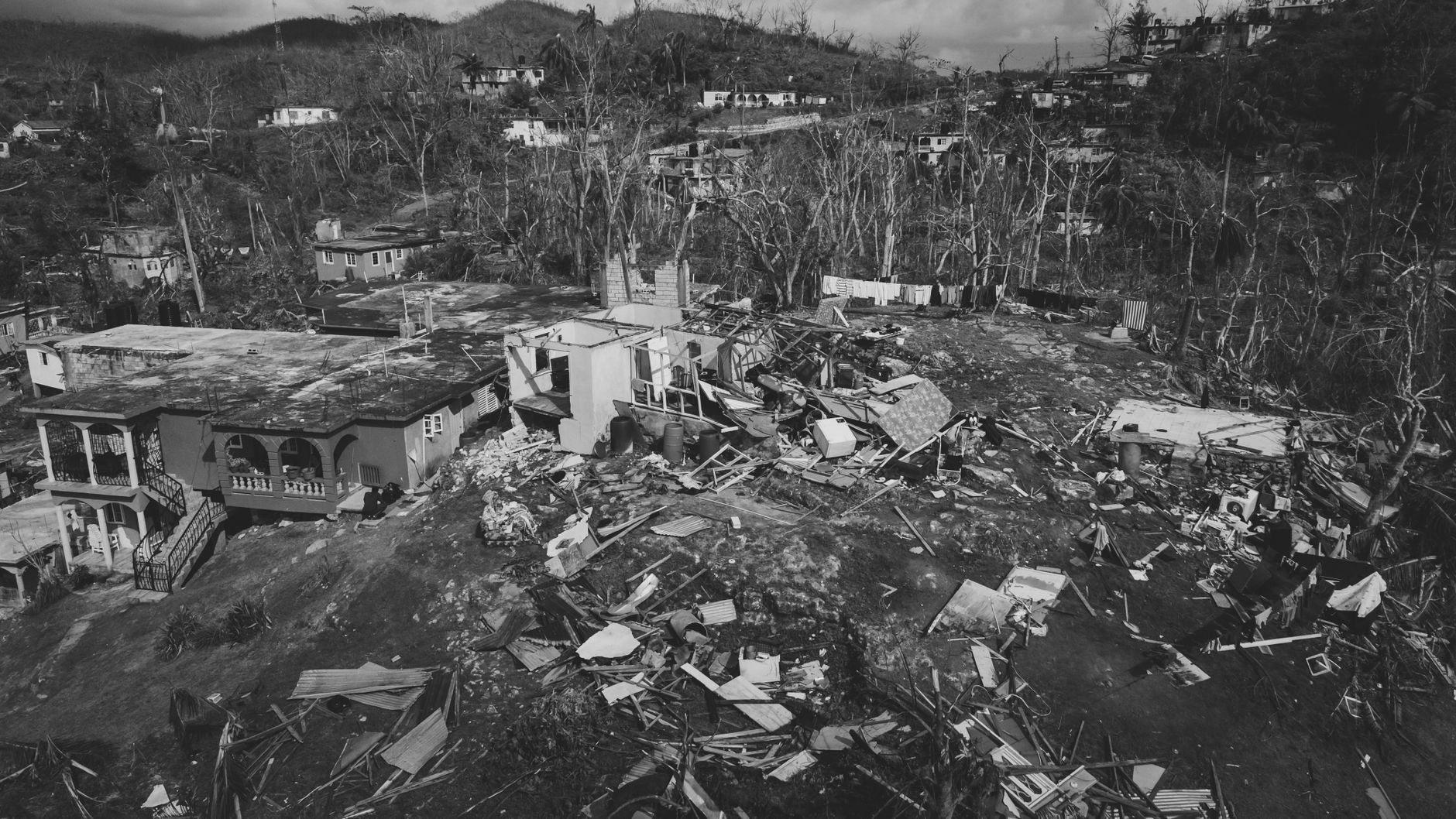
Experiencing a hurricane can be one of the most traumatic events for a homeowner. The aftermath of a storm can leave homes damaged and families feeling vulnerable. Understanding the comprehensive approach to restoring your home after a hurricane is crucial for ensuring safety and getting back to normal as quickly as possible.
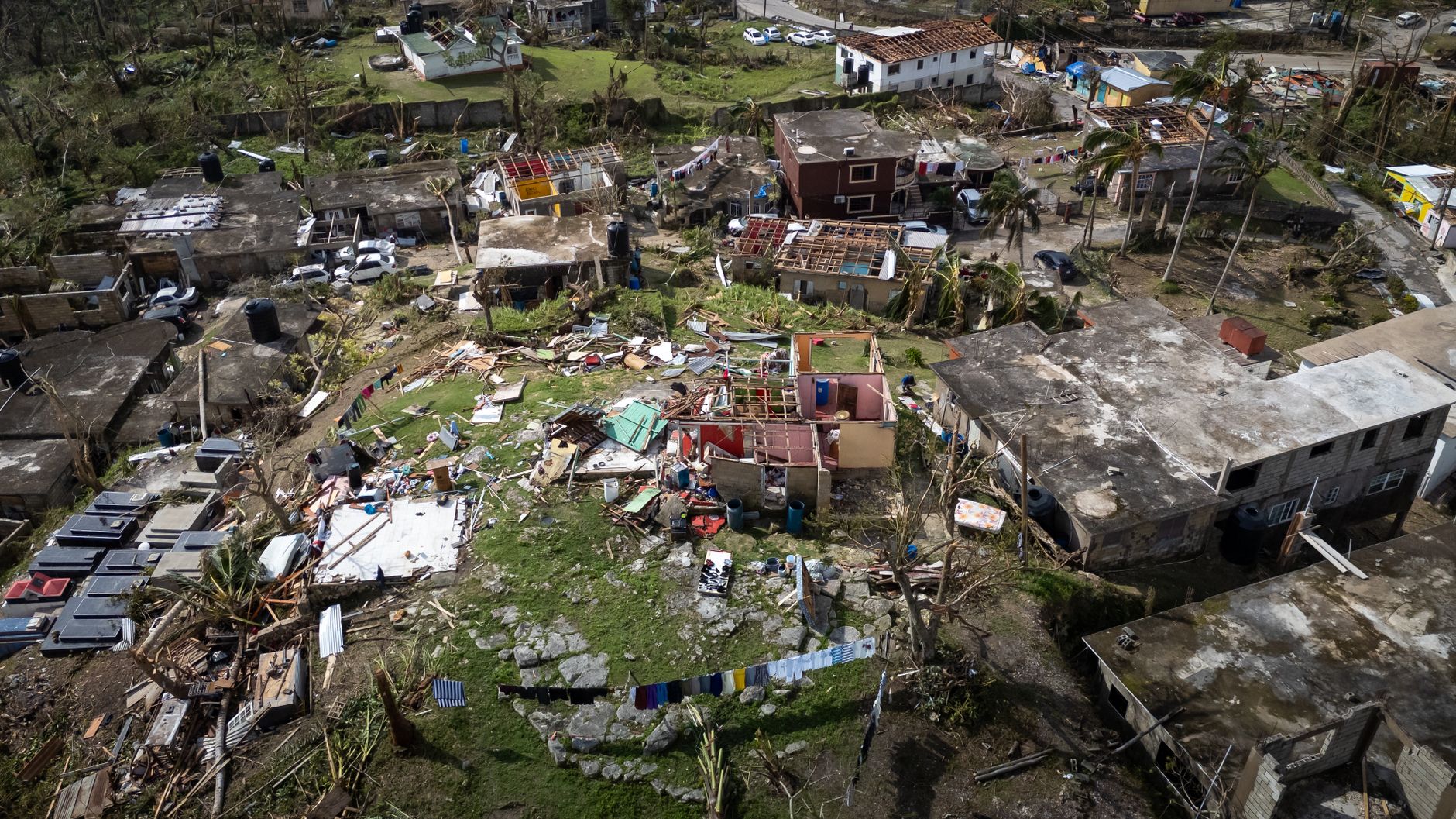
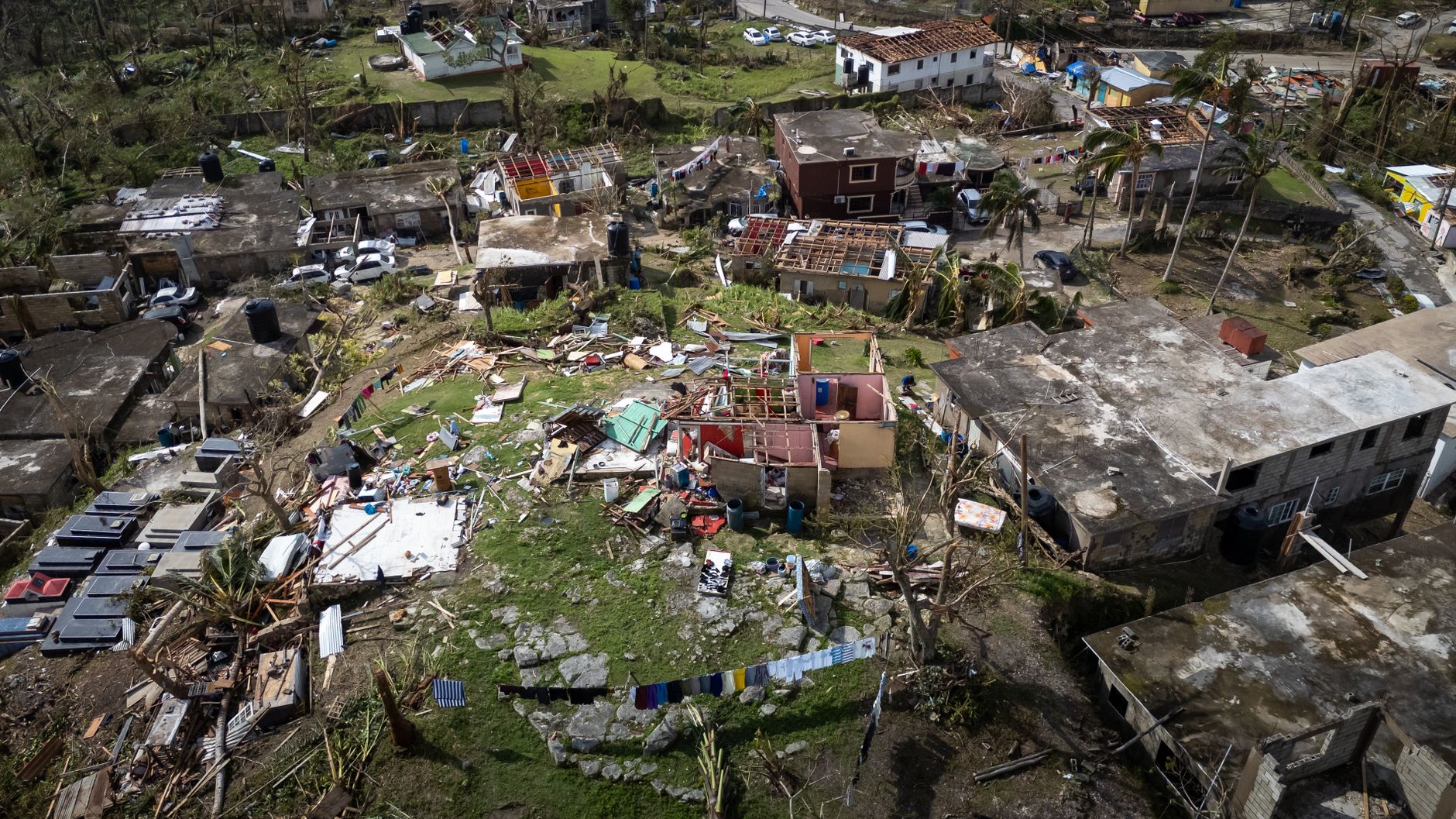
As the winds die down and the rain subsides, the immediate aftermath can be overwhelming. Water may have infiltrated your home, windows might be broken, and structural damage could be evident. It’s essential to act quickly, but safety should always come first. Before you step back into your home, ensure that the structure is stable and there are no hazards like downed power lines.
Assessing Damage
After ensuring safety, the next step is to assess the damage. Look for signs of water damage, such as:
- Peeling paint or wallpaper
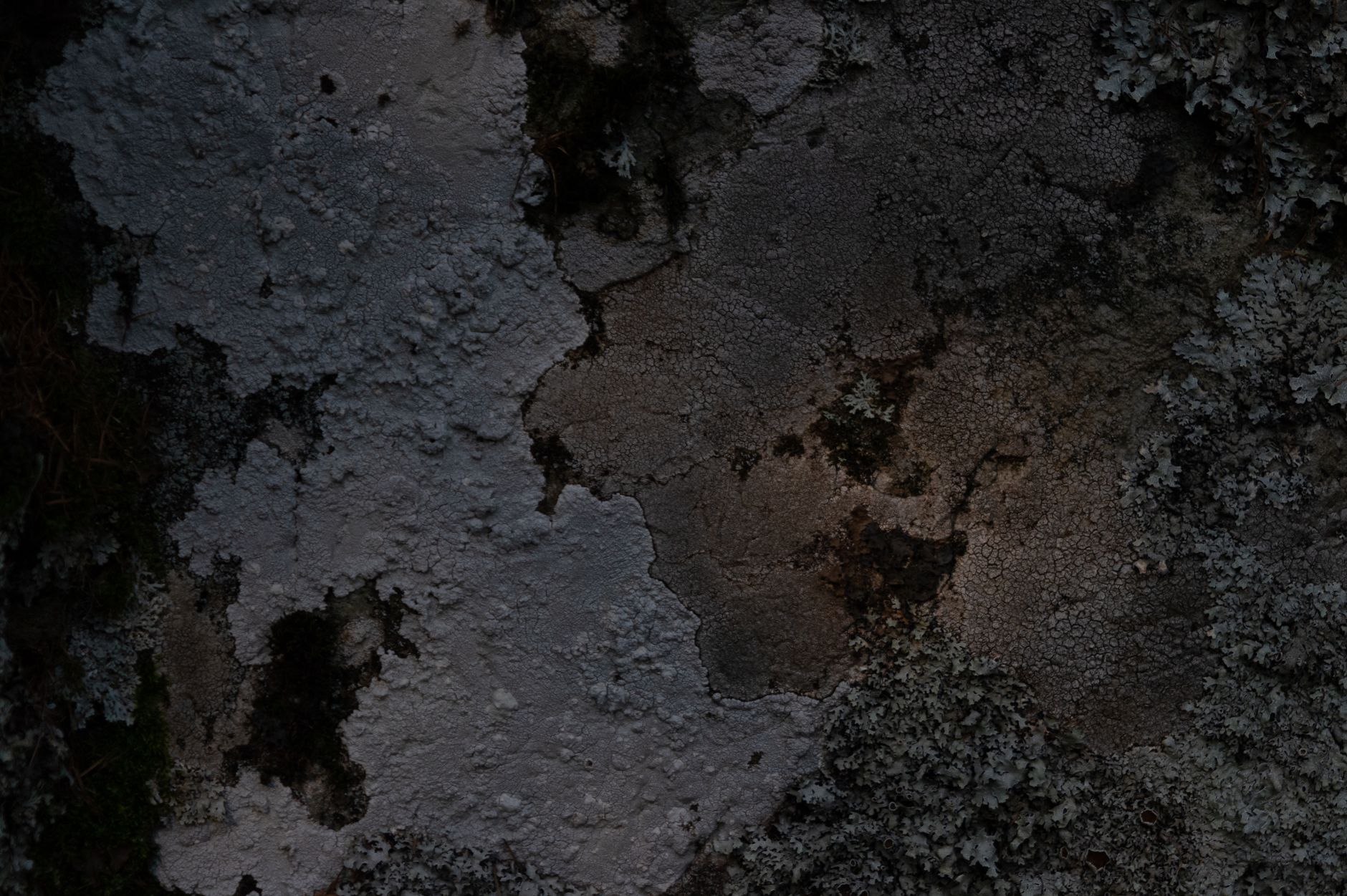
- Mold growth, especially in corners and around windows
- Wet carpeting or flooring
- Ceiling stains indicating leaks
This assessment is not just for your knowledge but also for insurance purposes. Document all damages with photos and notes. This will assist you when filing a claim with your insurance provider.
Contacting Professionals
Once you have assessed the damage, contacting a professional restoration service is critical. A restoration company, like Broward Restoration Pros, can provide the expertise needed for comprehensive recovery. They can help with water extraction, drying, mold remediation, and repairs.
When you reach out to a restoration company, they will typically respond quickly, often within a few hours. They will send out a team to evaluate the situation in more detail and begin the restoration process.
Water Extraction and Drying
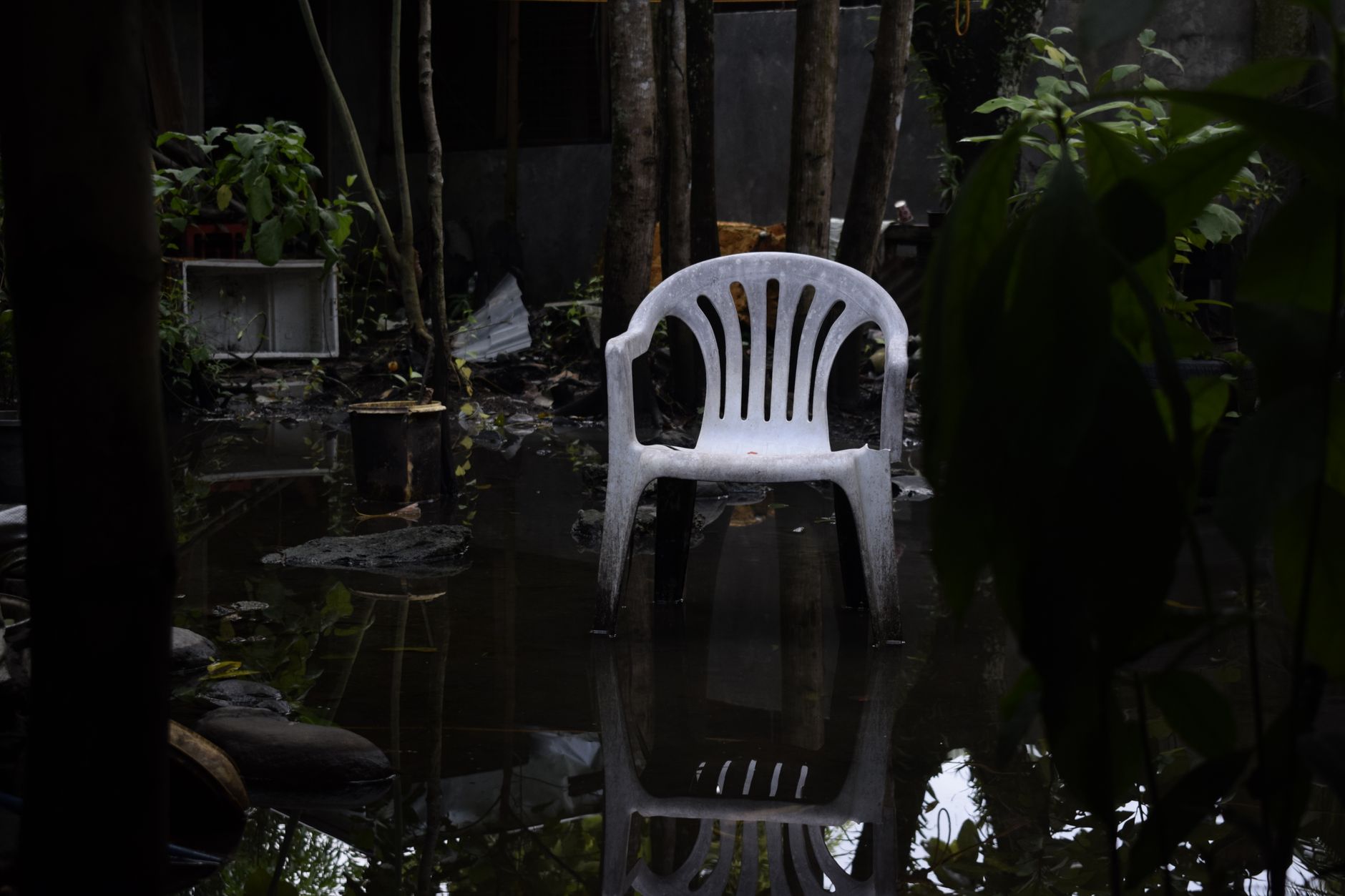
Water extraction is one of the first steps in the restoration process. Using specialized equipment, professionals will remove standing water from your home. Following water extraction, the area must be thoroughly dried to prevent mold growth. High-powered fans and dehumidifiers are often used for this purpose.
It’s important to note that if the flooding was caused by contaminated water, such as from sewer backups, more stringent cleanup processes are required. This is known as black water cleanup and should only be handled by professionals due to the health risks involved.
Mold Remediation
After water damage, mold can begin to grow within 24-48 hours. If you notice any mold growth during your assessment, it’s crucial to address it immediately. Mold can pose serious health risks, especially for those with respiratory issues. Restoration professionals can conduct a thorough mold inspection and provide effective mold removal services.
For more information on mold issues, check out our page on Black Mold Removal. Understanding the scope of mold damage will inform the necessary steps for effective remediation.
Structural Repairs
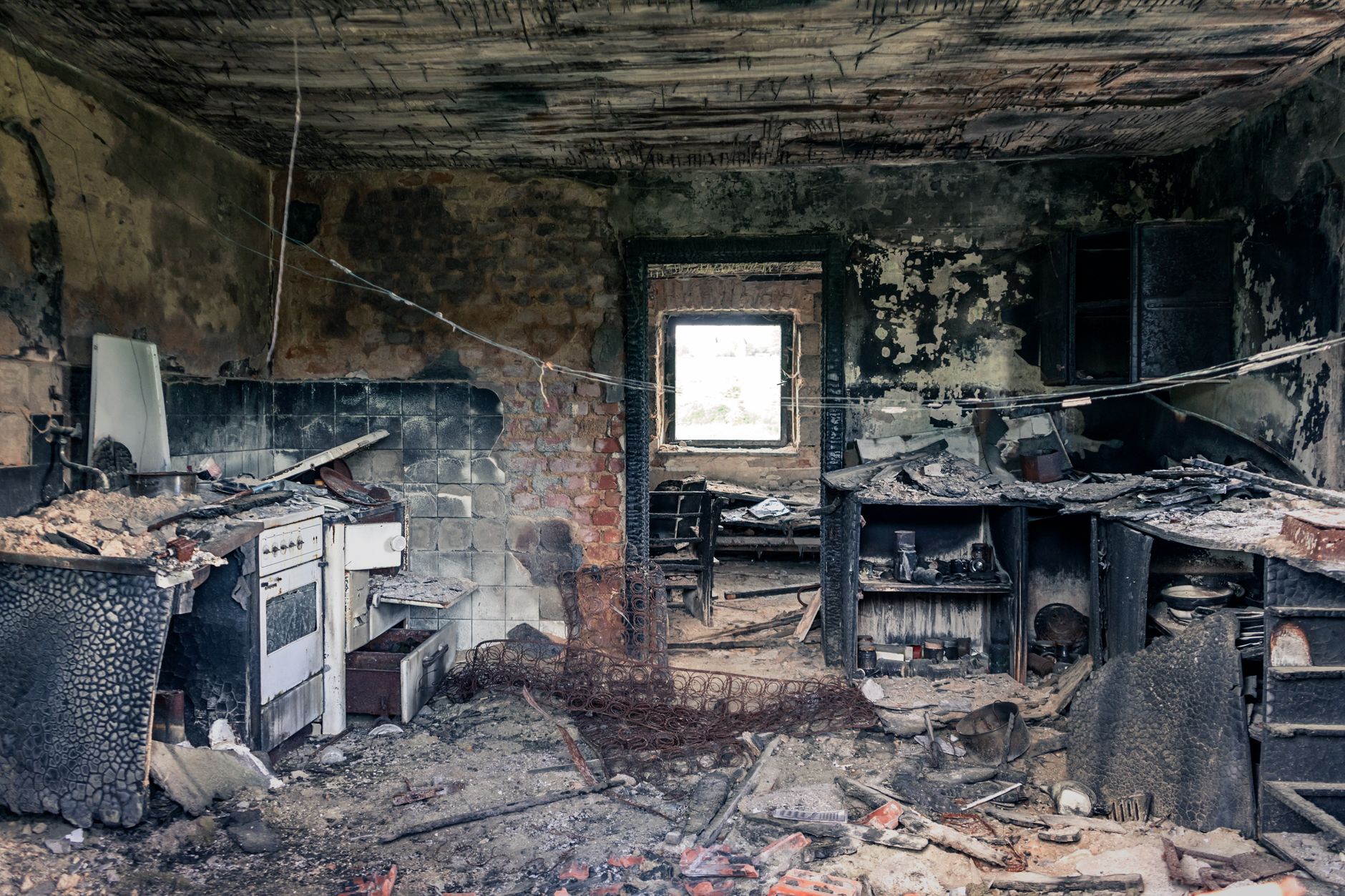
Once the water has been removed and areas dried, structural repairs can begin. This might include:
- Replacing drywall and insulation
- Repairing or replacing flooring
- Fixing windows and doors
Each of these repairs is crucial for restoring the integrity of your home. It's often wise to use a restoration service that can handle both the mitigation and reconstruction phases to ensure a seamless transition back to your home.
Communicating with Your Insurance
Throughout the restoration process, maintain communication with your insurance company. Share your assessments, the restoration company’s reports, and any other documentation. Understanding your coverage can alleviate some stress during this challenging time.
Additionally, it may be helpful to consult professionals regarding plumbing issues that could arise during restoration. For example, if you encounter plumbing issues during cleanup, the experts at Broward Plumbing Pros can assist. You can find more about their services here.
Final Touches and Prevention
Once all repairs are made, it’s time to put the final touches on your home. This includes painting, decorating, and bringing back your personal belongings. Before moving back in, consider implementing preventive measures to protect your home from future storms. This might involve:
- Installing storm shutters
- Landscaping to direct water away from your home
- Regular maintenance checks on roofing and gutters
Taking these steps can give you peace of mind as you enjoy your restored home.
Lastly, for ongoing maintenance tips and information, consider reading our blog article on choosing plumbing materials to ensure your home remains a safe haven for you and your family.
Restoring your home after a hurricane is no small task, but with the right approach and support, you can navigate this process effectively. Remember, the goal is not just to restore your home but to make it even better and more resilient for the future.