The Essential Process For Effective Reconstruction After Storm Damage In Broward
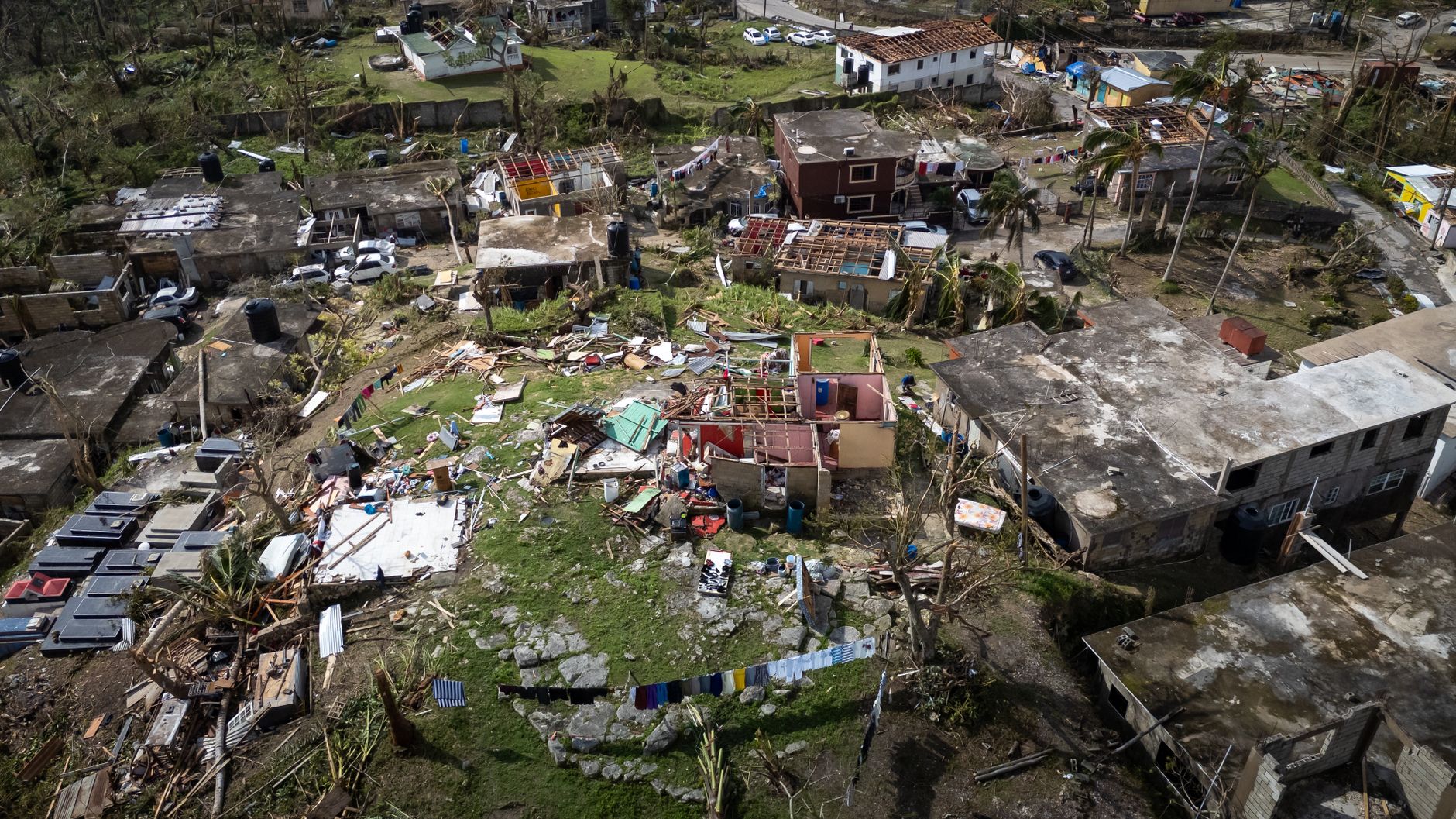
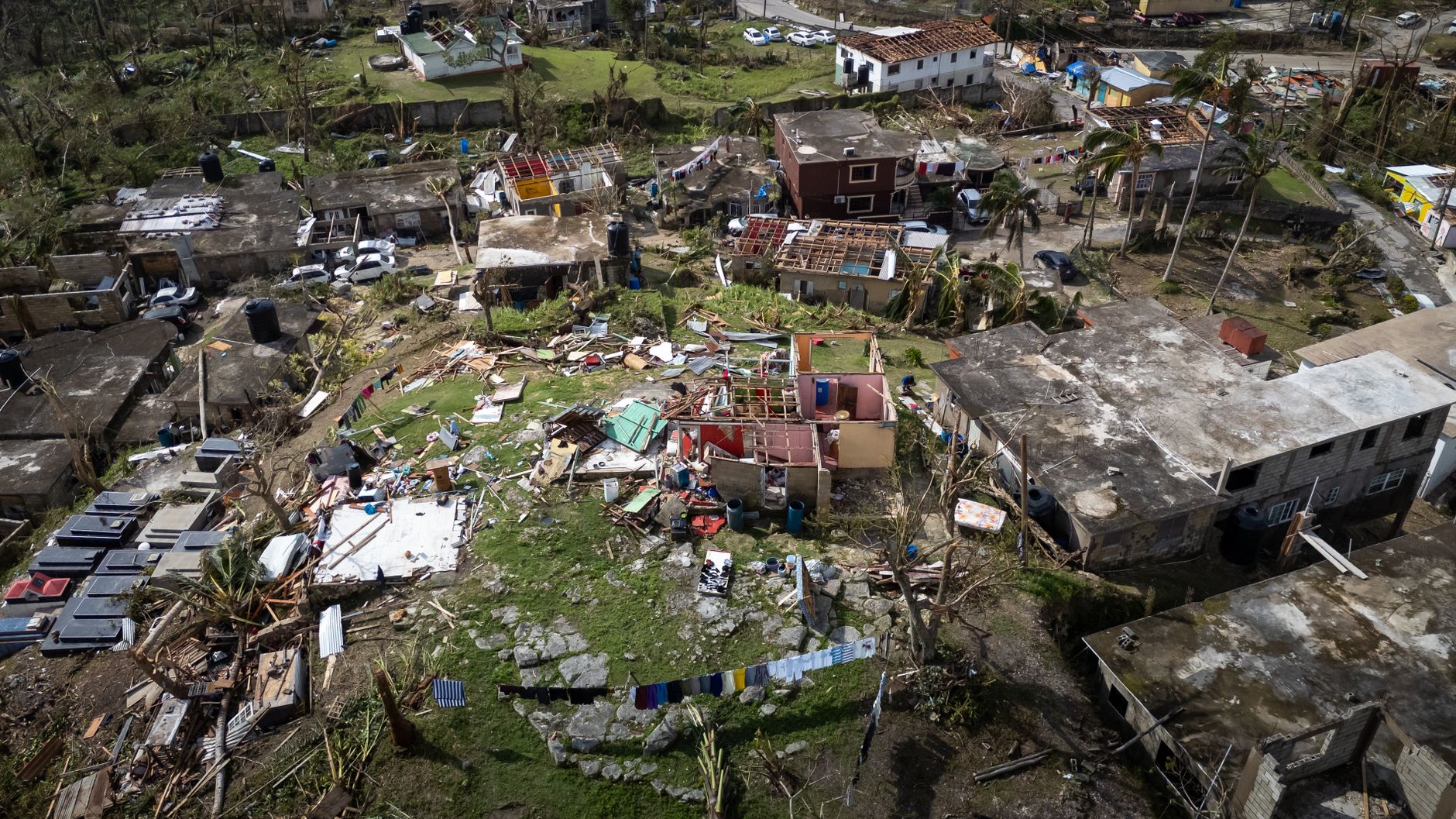
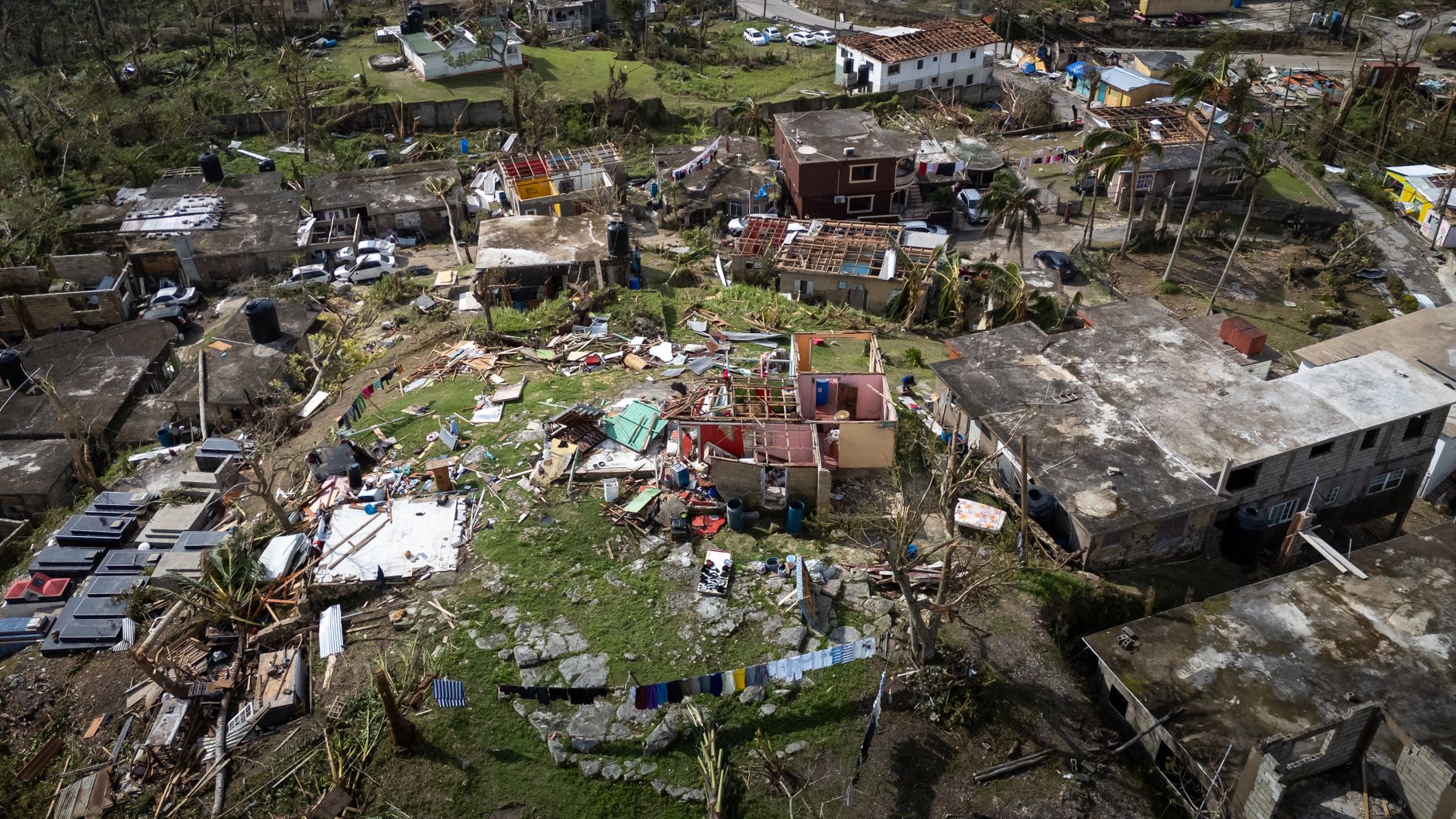
When a severe storm hits Broward County, the aftermath can leave homeowners feeling overwhelmed and unsure of where to turn. The damage can range from minor leaks to devastating flooding and structural issues. Understanding the essential process for effective reconstruction after storm damage is crucial for restoring your home and peace of mind.
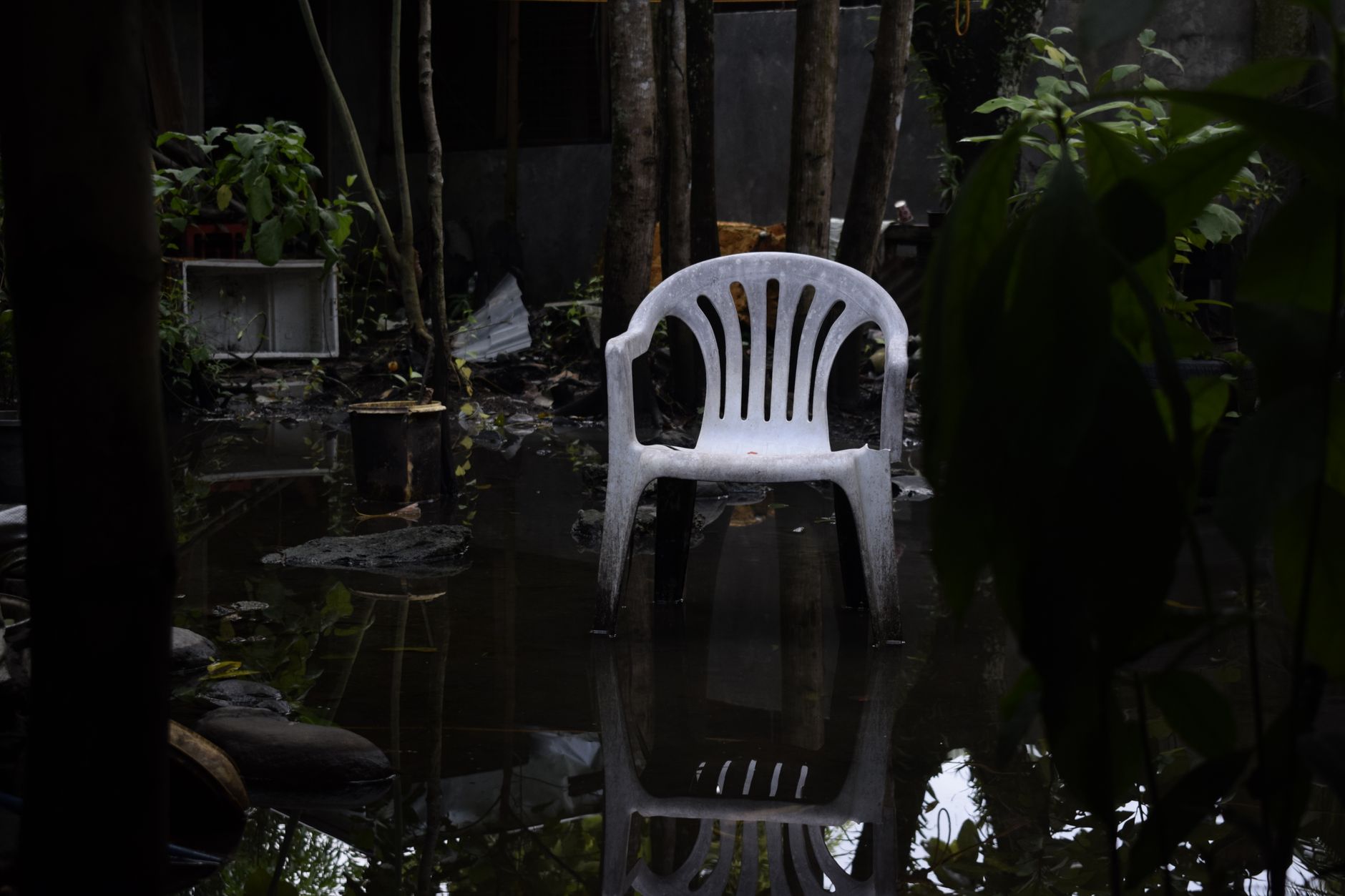
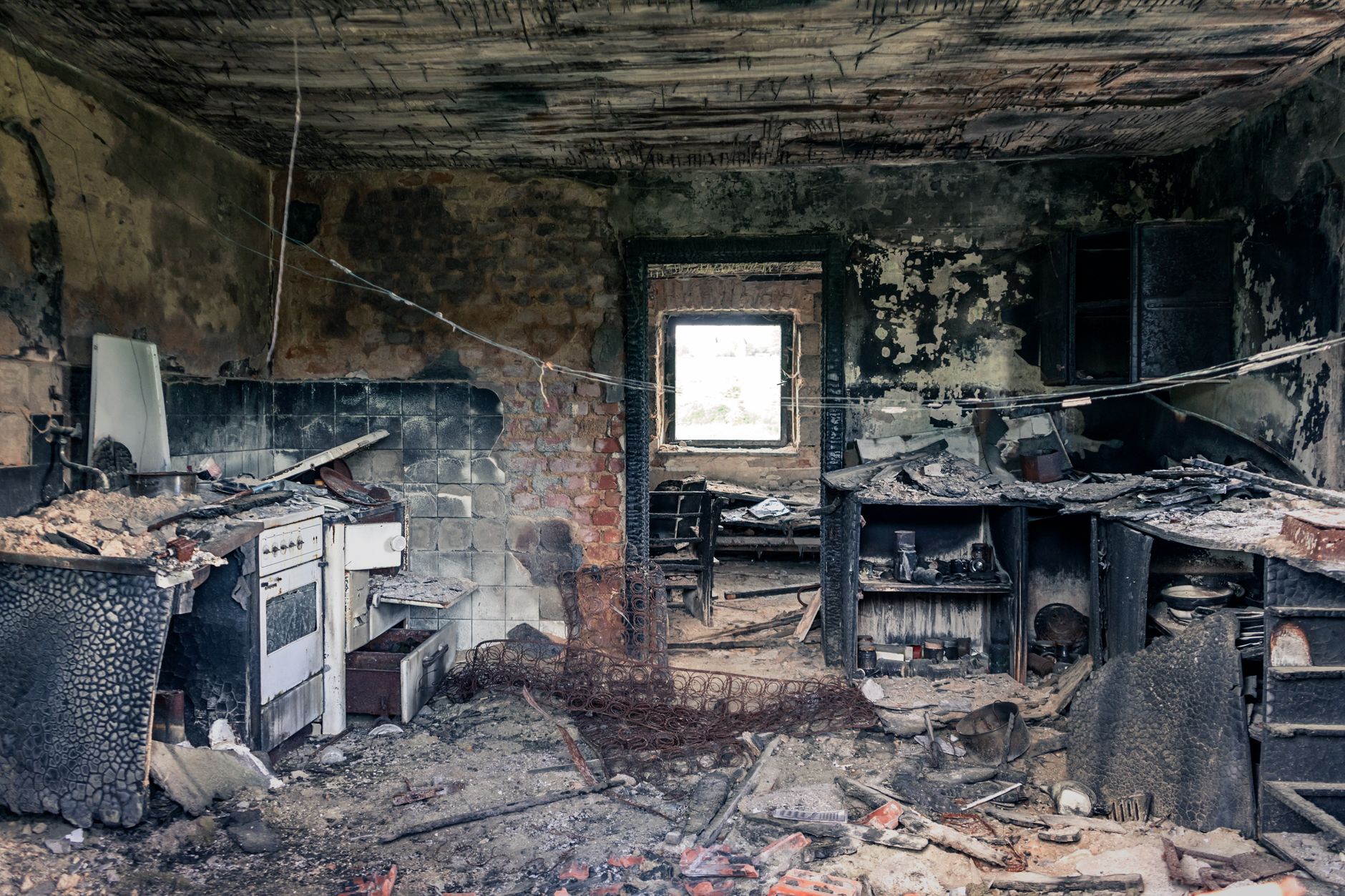
The first step in the reconstruction process is to assess the damage. This can often feel daunting, especially if the storm has caused significant disruption. It's important to take photos and document the damage thoroughly for insurance purposes. If you can safely do so, try to identify the severity of the damage in different areas of your home, especially in places like the roof, walls, and basement. If water has infiltrated your home, you need to act quickly to prevent mold growth and further structural issues.

Calling in the Professionals
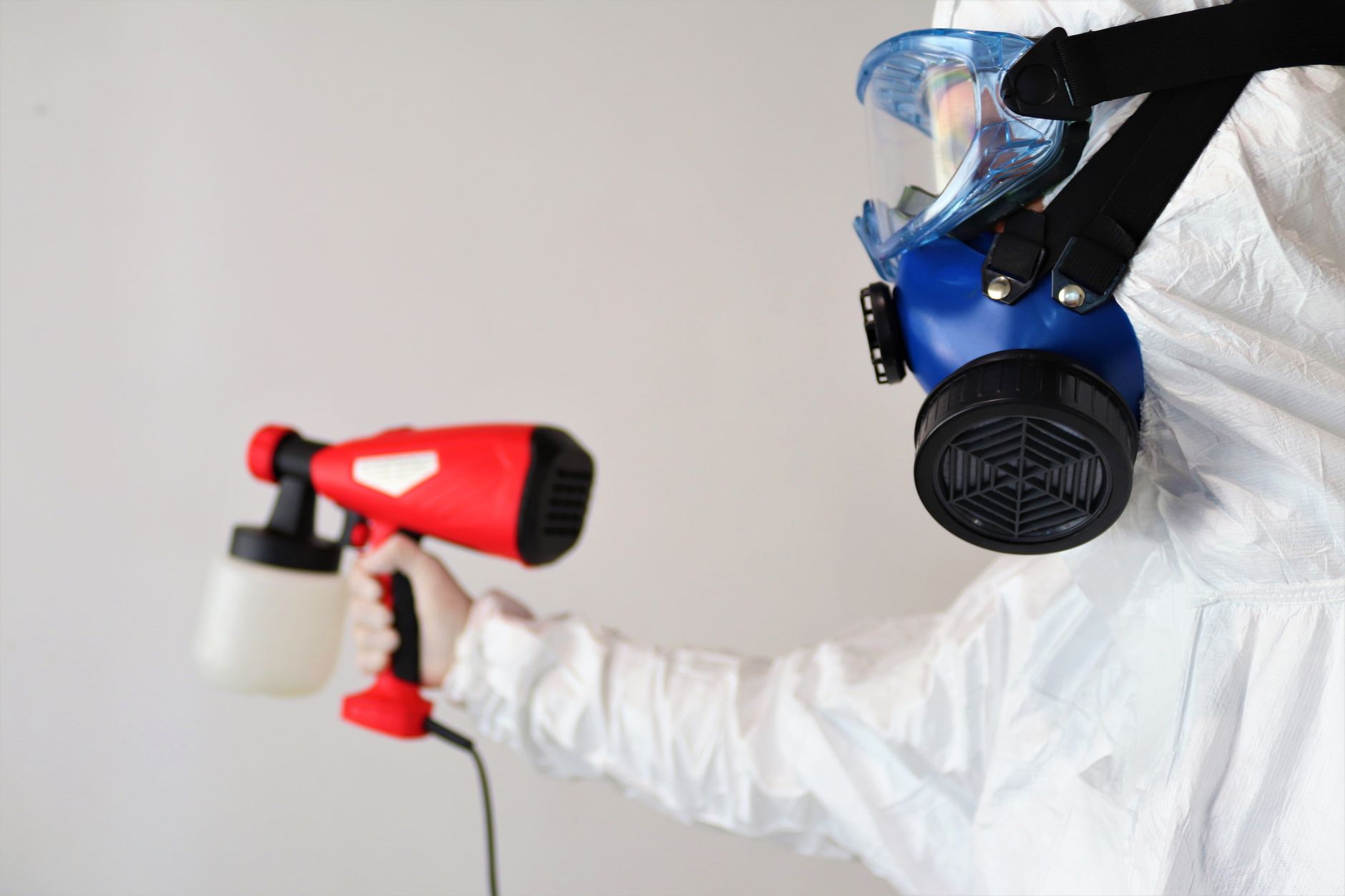
While you may be tempted to tackle some repairs yourself, enlisting the help of a professional restoration company can save you time and stress. A qualified restoration expert can provide a comprehensive assessment and recommend the right steps for mitigation and reconstruction. They have the tools and expertise necessary to handle everything from water extraction to mold remediation, ensuring your home is safe and sound.
Once you've contacted a restoration company, they will typically follow a series of steps to begin the reconstruction process:
- Initial Assessment: The restoration team will conduct a thorough inspection of your property to determine the extent of the damage.
- Water Extraction: If flooding has occurred, removing standing water quickly is essential to prevent further damage.
- Mold Prevention: Depending on the duration of water exposure, mold growth can begin within 24 hours. Professionals use specialized equipment and techniques to prevent this.
- Structural Repairs: Once the area is dried and cleaned, reconstruction can begin, including repairing walls, ceilings, and flooring.
- Final Inspection: A final walkthrough ensures that all repairs meet safety standards and that your home is ready to be lived in again.
Insurance Considerations
As you navigate the reconstruction process, it’s important to stay in contact with your insurance provider. They may require specific documentation or assessments from your restoration company. Having clear communication and thorough records can significantly speed up the claims process.
If you find yourself facing extensive plumbing issues as a result of storm damage, you might also need to consult with a plumbing professional. For instance, if your AC system has been compromised, you can reach out to Broward Plumbing Pros for assistance with AC drain line leaks that may have arisen due to the storm.
Preventing Future Damage
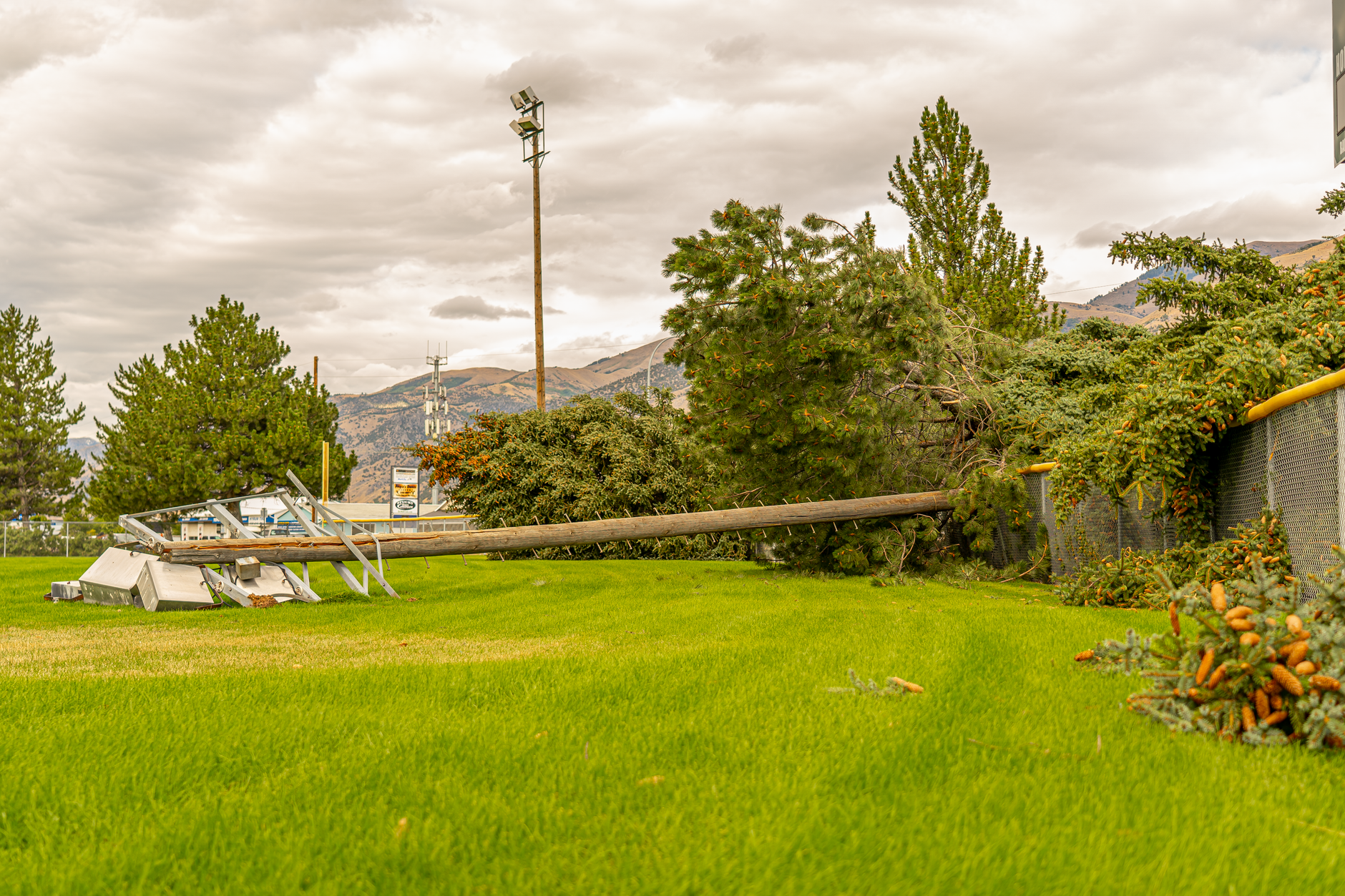
Once your home has been restored, consider taking steps to protect it from future storms. This might include installing impact-resistant windows, reinforcing your roof, or ensuring proper drainage around your property. Regular maintenance is key to minimizing damage from severe weather.
Lastly, educating yourself on plumbing safety and how to respond to emergencies can empower you and your family. For more information on maintaining safety in plumbing during storms, check out this helpful resource from Broward Plumbing Pros.
In conclusion, the process of reconstructing your home after storm damage can be complex, but by understanding each step and seeking professional help, you can restore your home efficiently and effectively. Remember, you’re not alone in this journey—help is available, and your home will be safe again.