The Essential Steps For Effective Mold Remediation After A Flood In Broward
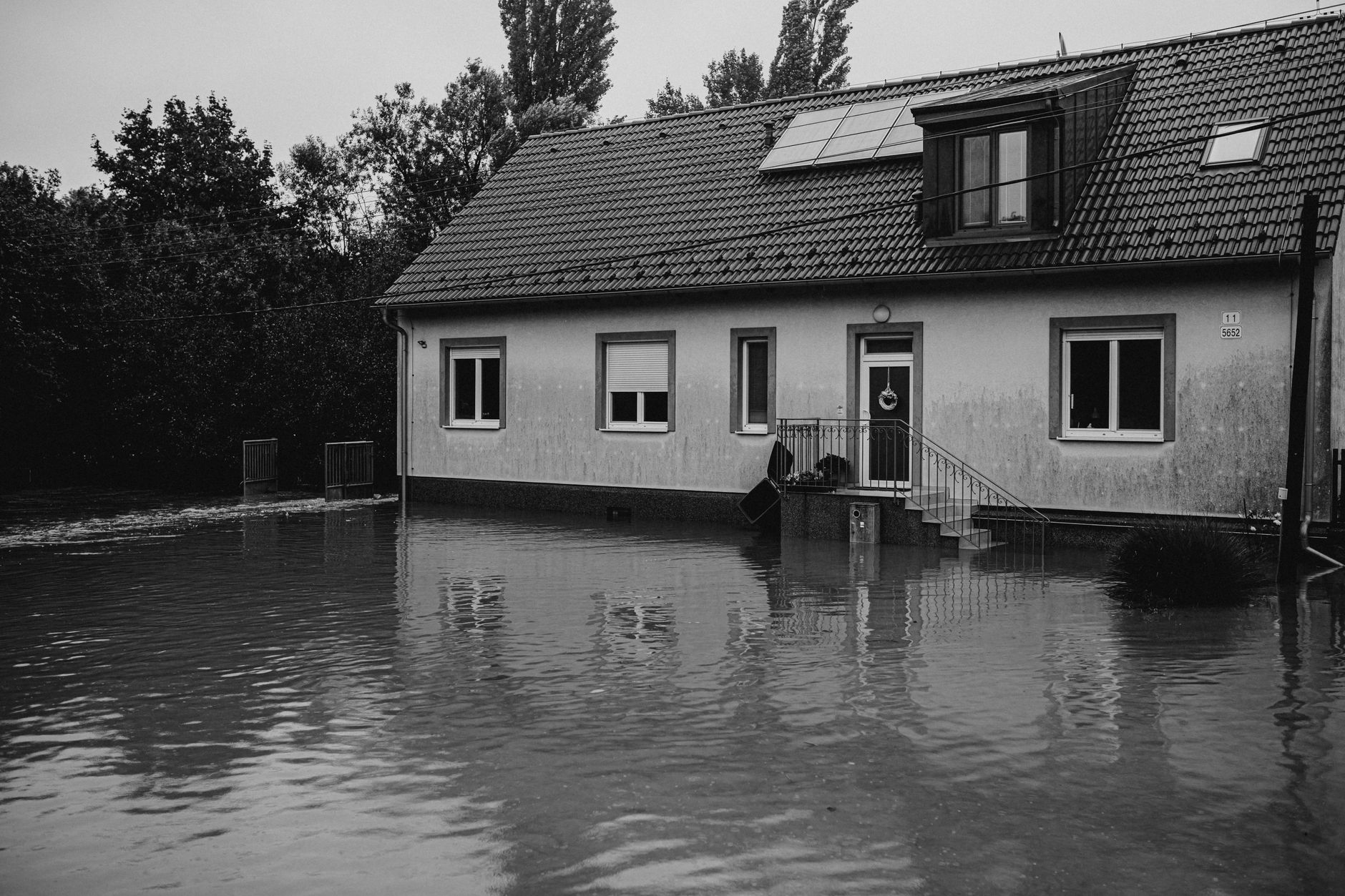
Experiencing a flood can be overwhelming for any homeowner. The immediate worry often revolves around the water damage, but it’s crucial to also consider the aftermath—specifically, the risk of mold growth. Mold can start to develop within 24 to 48 hours after water exposure, making prompt action essential. Here, we’ll outline the essential steps for effective mold remediation following a flood, ensuring your home is safe and healthy again.
Understanding Mold Growth
Mold thrives in damp environments, and after a flood, areas like basements, crawl spaces, and even bathrooms can become breeding grounds. It’s important to understand that mold not only damages your home but can also pose serious health risks, especially for those with respiratory issues or allergies. If you notice a musty smell or see visible mold, it’s time to take action.
Step 1: Assess the Damage
The first step in the remediation process involves a thorough assessment. Walk through your home and look for signs of water damage and mold. Check hidden areas like behind walls, under carpets, and in corners of rooms. Take note of the extent of the damage. If you’re unsure or if the area affected is extensive, consider contacting a professional for a more detailed inspection.
Step 2: Ensure Safety
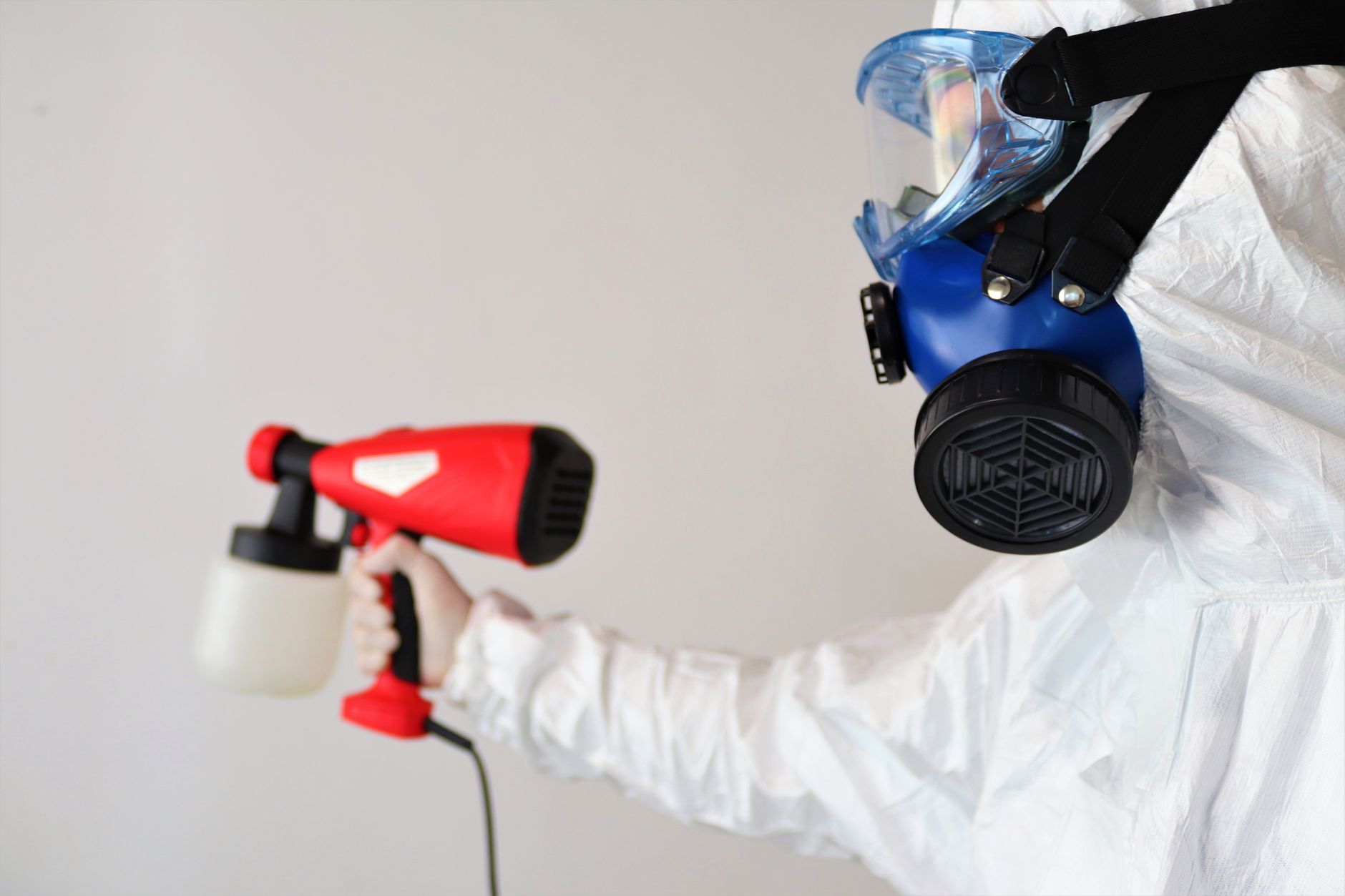
Before you begin the cleanup process, prioritize your safety. Wear protective gear, including gloves, goggles, and an N95 respirator, to protect yourself from mold spores. Ensure the area is well-ventilated by opening windows and using fans to circulate air. If the mold covers a large area (greater than 10 square feet), it’s advisable to seek professional help to mitigate risks.

Step 3: Remove Moisture Sources
Eliminating moisture is crucial to mold remediation. Use dehumidifiers and fans to dry out the affected areas, and ensure that any leaks or sources of water intrusion have been addressed. It’s important to dry the environment thoroughly to prevent mold from returning. This step might take several days depending on the extent of the flooding.
Step 4: Remove Contaminated Materials
Materials that are irreparably damaged by mold, such as drywall, carpeting, and insulation, must be removed and disposed of safely. Seal these materials in plastic bags to prevent the spread of spores. If you find mold on furniture or personal items, clean them with a solution of water and detergent or discard them if they cannot be salvaged.
Step 5: Clean and Disinfect
After removing contaminated materials, clean all surfaces with a mold-killing solution. You can use commercial products or a mixture of water and vinegar. Pay special attention to areas prone to humidity, such as bathrooms and kitchens. For porous materials like wood, you may want to use a wire brush or sandpaper to remove mold spores effectively.
Step 6: Prevent Future Growth
Once the area is clean, focus on preventing future mold growth. Consider applying an antimicrobial treatment to surfaces, which helps inhibit mold development. Additionally, ensure proper ventilation in your home and use dehumidifiers in damp areas. Regular inspections can also help catch potential mold issues before they escalate.
When to Call a Professional
If the mold problem is extensive or if you feel overwhelmed at any point in the process, don’t hesitate to call in professionals. A team skilled in black mold removal and mitigation can ensure that the job is done thoroughly and safely. They have the tools and expertise to handle severe mold infestations and can help restore your home back to its safe state.
Final Thoughts
Dealing with mold after a flood is a challenging but necessary process. By following these essential steps, you can effectively manage the situation and protect your home and health. Remember, timely action is crucial, so don’t wait too long before addressing mold issues. For additional resources, you may also want to check out the Essential Guide To Plumbing Safety For Broward County Residents, which can help with preventative measures in the future.
If you are in need of professional services, consider reaching out to experts who can assist with both immediate mold remediation and ongoing maintenance to prevent future issues.