The Essential Steps For Effective Reconstruction After Water Damage In Broward
Experiencing water damage in your home can be a distressing and overwhelming situation. Whether it's due to a burst pipe, a leaky roof, or a flooding event, the aftermath can leave homeowners feeling uncertain about the next steps. Understanding the essential steps for effective reconstruction can help you regain control and restore your home to its original state.
The first step in the reconstruction process is to assess the extent of the damage. This involves inspecting the affected areas for visible signs of water damage, such as warped floors, discolored walls, and mold growth. It's crucial to document the damage thoroughly, as this will be important for your insurance claim. Take photos and make notes to ensure you have a comprehensive record of everything that needs to be addressed.
Safety First
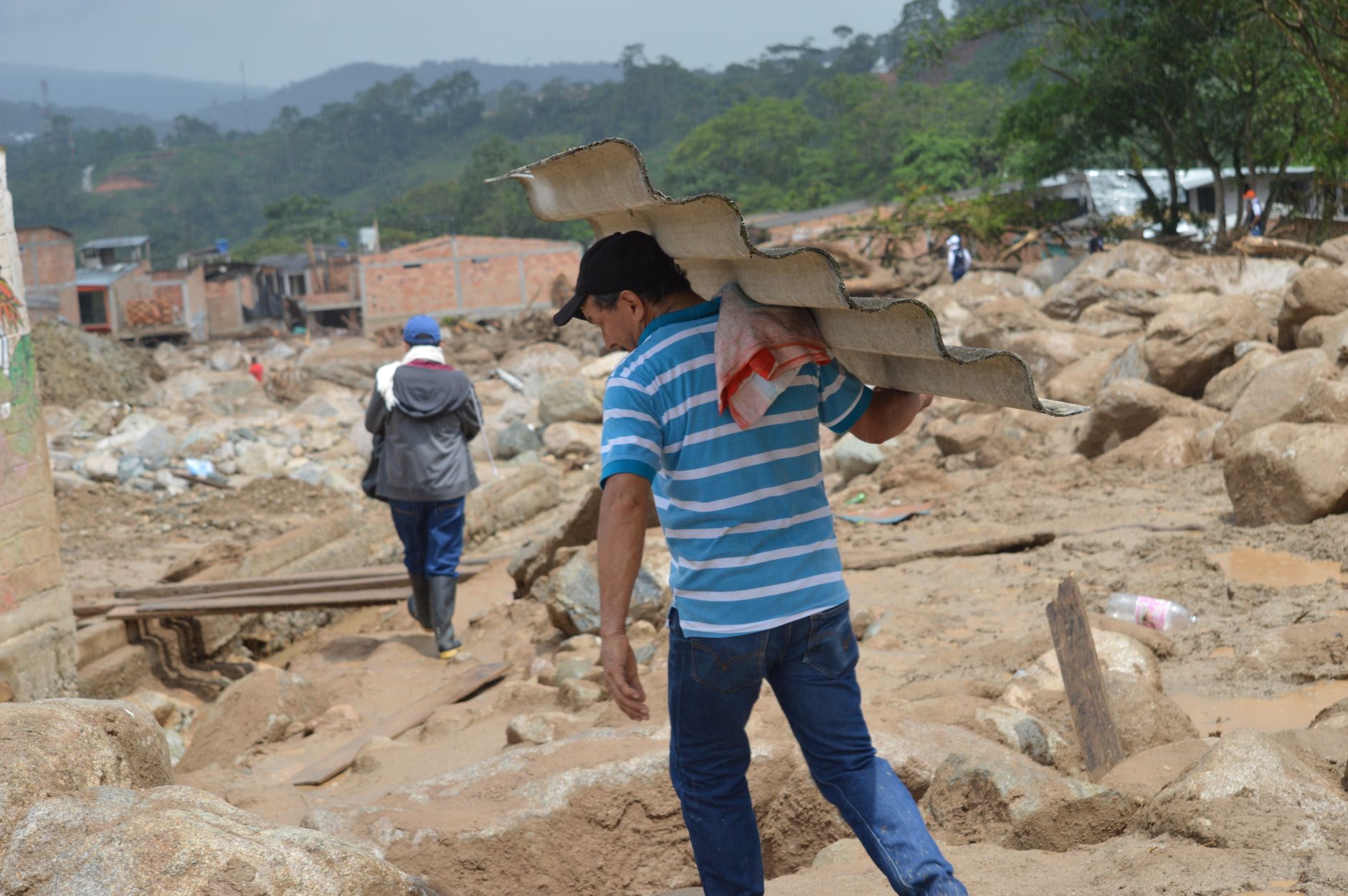
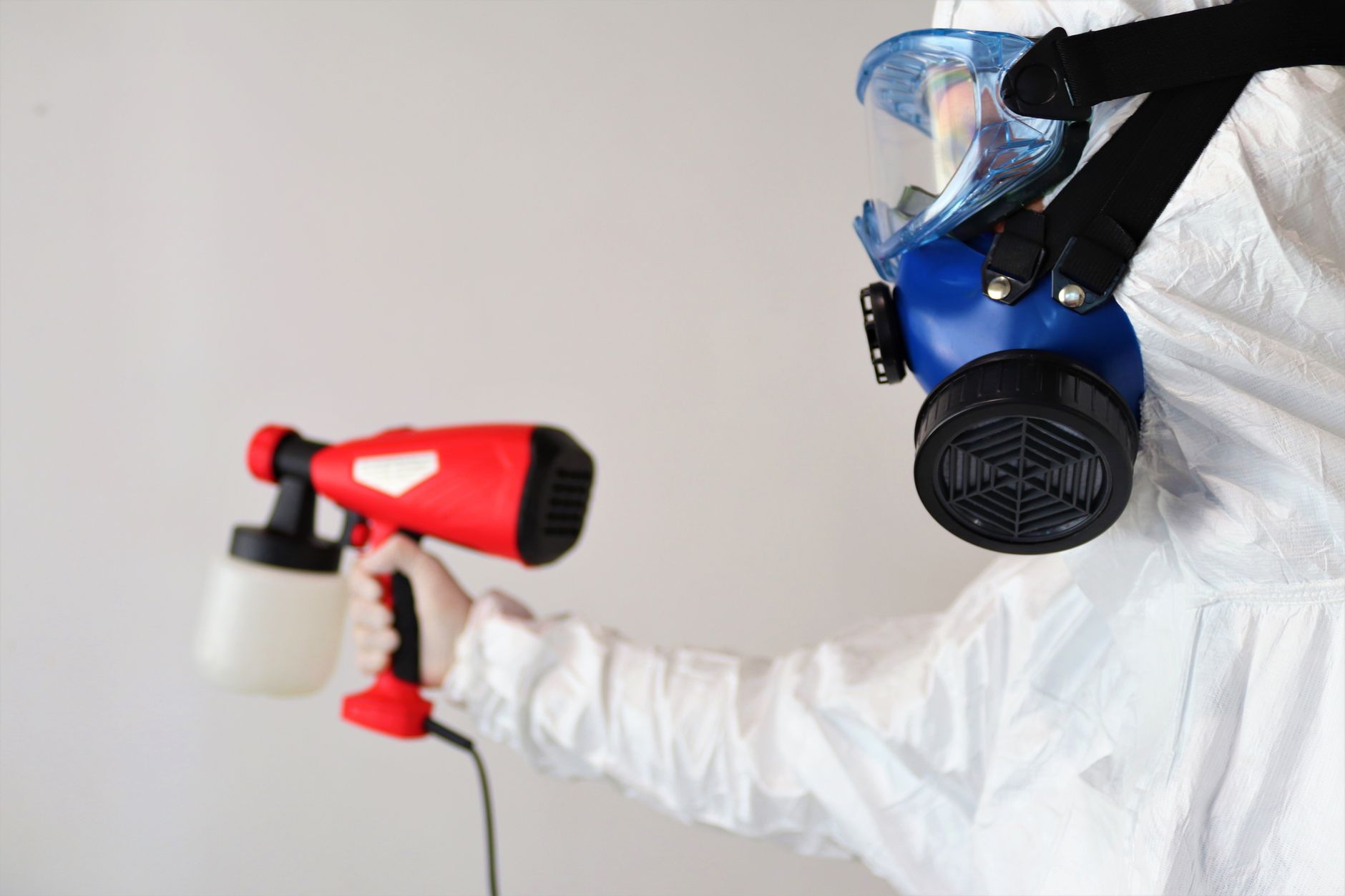
Before you begin any reconstruction efforts, prioritize safety. If the damage is extensive or involves electrical systems, it’s wise to call in professionals who specialize in water damage restoration. They can ensure that the area is safe and that any potential hazards are properly handled. If you decide to proceed on your own, consider wearing protective gear such as gloves and masks to guard against mold spores and contaminants.
Water Removal
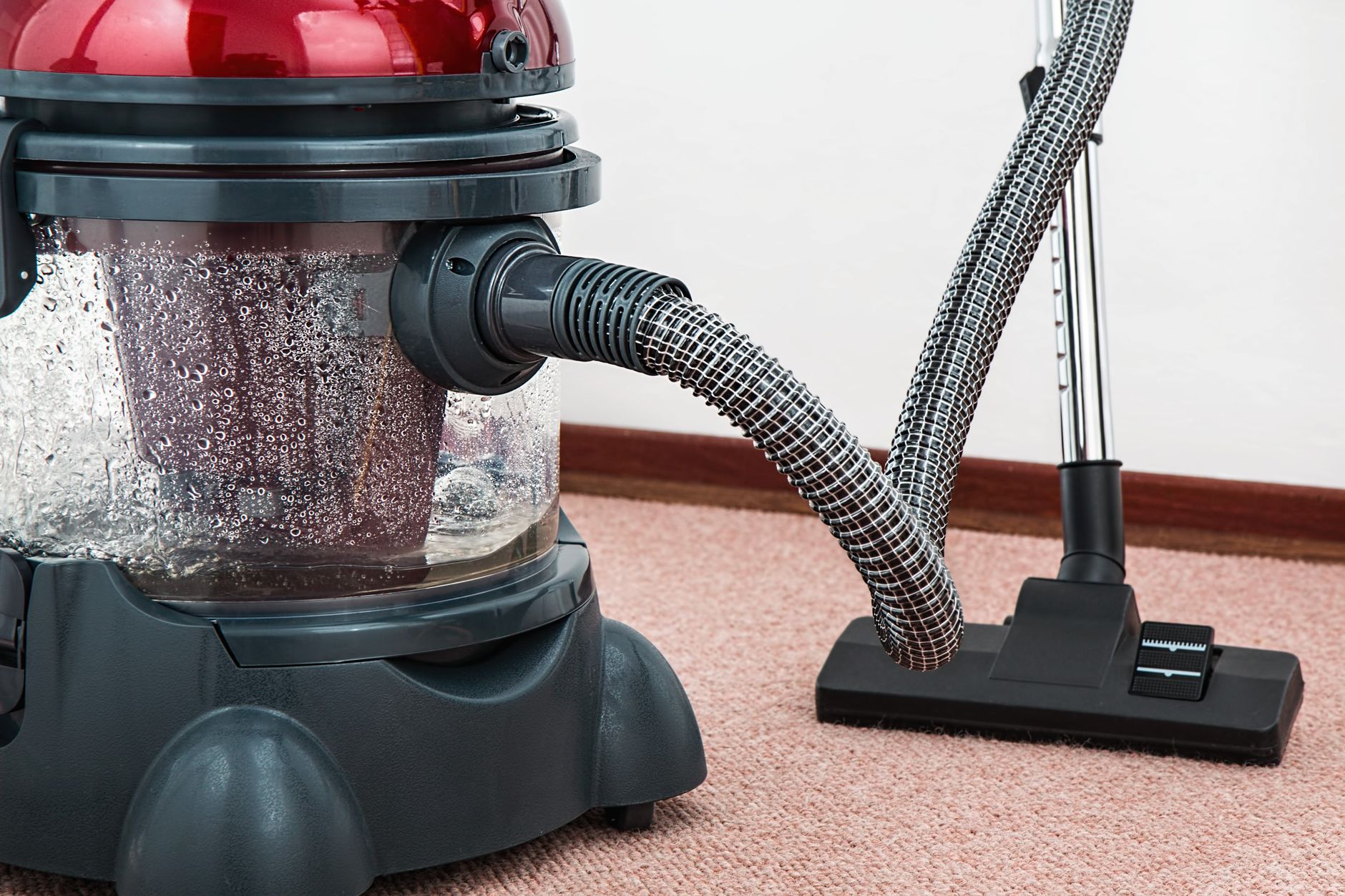
Once it’s safe to proceed, the next crucial step is water removal. If standing water is present, using a wet/dry vacuum can be effective for smaller amounts, while larger floods may require professional extraction services. If you’re dealing with a minor leak, like from a refrigerator water line, you might need to reach out to a plumbing expert to fix the source of the leak. For more information on addressing leaks specifically, check out this guide on refrigerator water line leaks.
Drying Out the Affected Areas
After removing the water, it’s essential to thoroughly dry out the affected areas. This can involve using fans, dehumidifiers, and opening windows to promote airflow. Ensure that all areas, including floors, walls, and any belongings that were exposed to moisture, are completely dry. This step is critical to prevent mold growth, which can start within 24 to 48 hours after water exposure.
Cleaning and Sanitizing
Once everything is dry, cleaning and sanitizing are vital to ensure your home is safe and healthy. You may need to use specialized cleaning agents to remove contaminants, especially if the water damage was caused by sewage or floodwaters. For more serious mold concerns, consider contacting professionals who can perform black mold removal to ensure your air quality is restored. Mold can pose significant health risks, so it’s best to address this issue head-on.
Reconstruction and Repair
After cleaning and sanitizing, it’s time to begin the reconstruction process. This may include repairing or replacing drywall, flooring, and other damaged materials. If you’re not experienced in home repairs, it may be wise to hire professionals to ensure that the work is done correctly and safely. They can help you navigate the complexities of reconstruction, including obtaining any necessary permits.
When you’re ready to move forward, don’t forget to connect with your insurance company about your claim. They may require specific documentation or inspections before you begin repairs. Having a professional restoration service can often assist in this process, as they can provide detailed reports to support your claim.
Final Thoughts
Reconstructing your home after water damage can feel daunting, but by taking it step by step, you can restore your space effectively. Remember to prioritize safety, act quickly to remove water, and don’t hesitate to reach out for professional assistance when needed. For further insights on maintaining your home and ensuring safety, check out this essential guide to plumbing safety.