Essential Steps For Post-Disaster Property Assessment In Broward
Experiencing a disaster at home can be overwhelming. Whether it’s a flood, fire, or another form of damage, the aftermath leaves many homeowners feeling lost and uncertain about what steps to take next. Properly assessing the damage is crucial to restoring your property and ensuring that your home is safe for you and your family. Here, we’ll outline essential steps for conducting a post-disaster property assessment in Broward.
1. Prioritize Safety
Before you even begin assessing the damage, your safety should be the top priority. Look out for hazards that could pose a risk, such as:
- Downed power lines
- Structural damage to your home
- Gas leaks
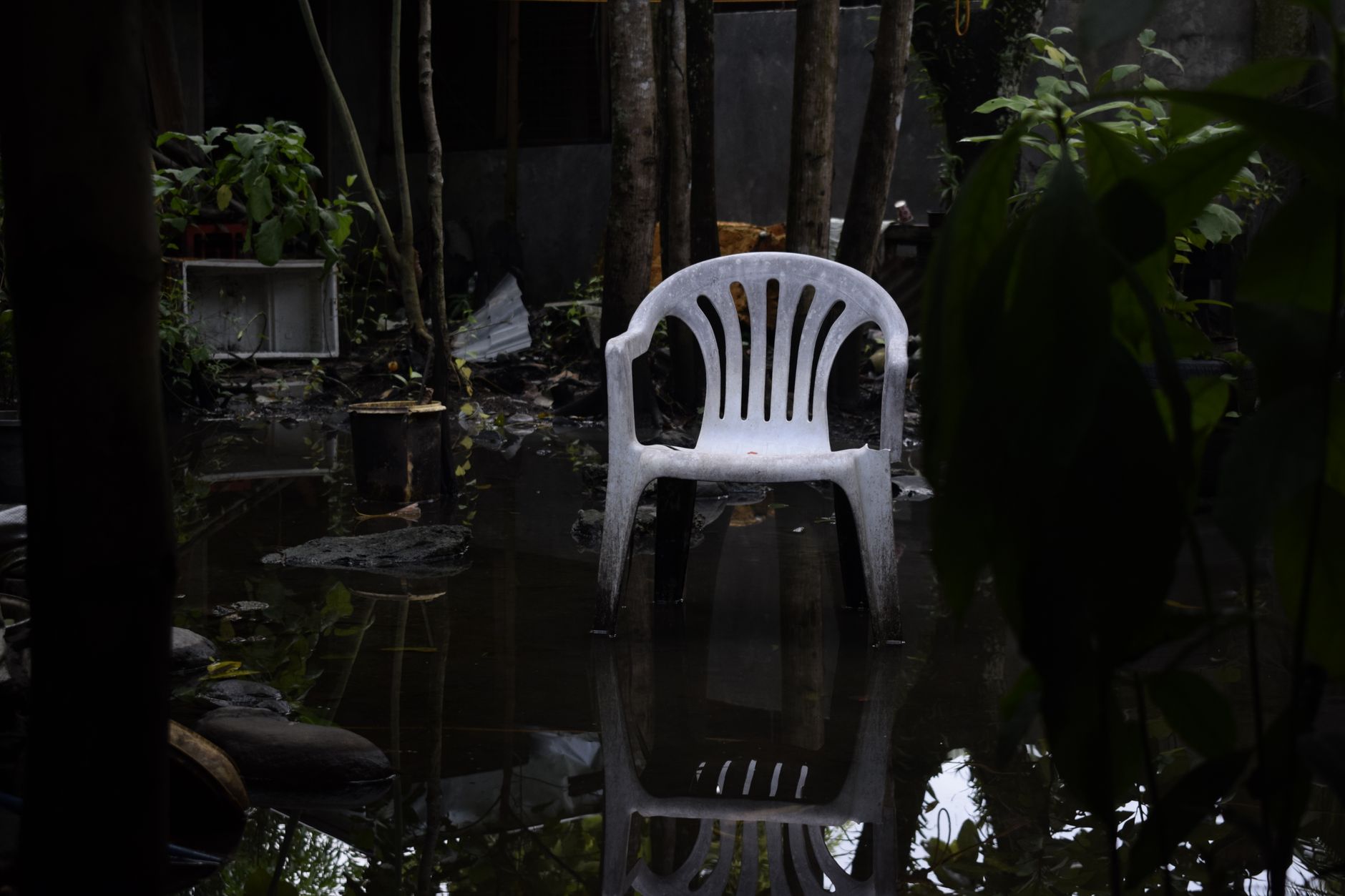
- Standing water, which could be contaminated
If you identify any immediate hazards, evacuate your home and contact local emergency services for assistance.
2. Document the Damage
Once it's safe to enter the property, start documenting the damage. This documentation will be critical for your insurance claims and for any restoration work you might need. Use your smartphone or a camera to take clear photos of all affected areas and items, paying special attention to:

- Water-damaged ceilings and walls
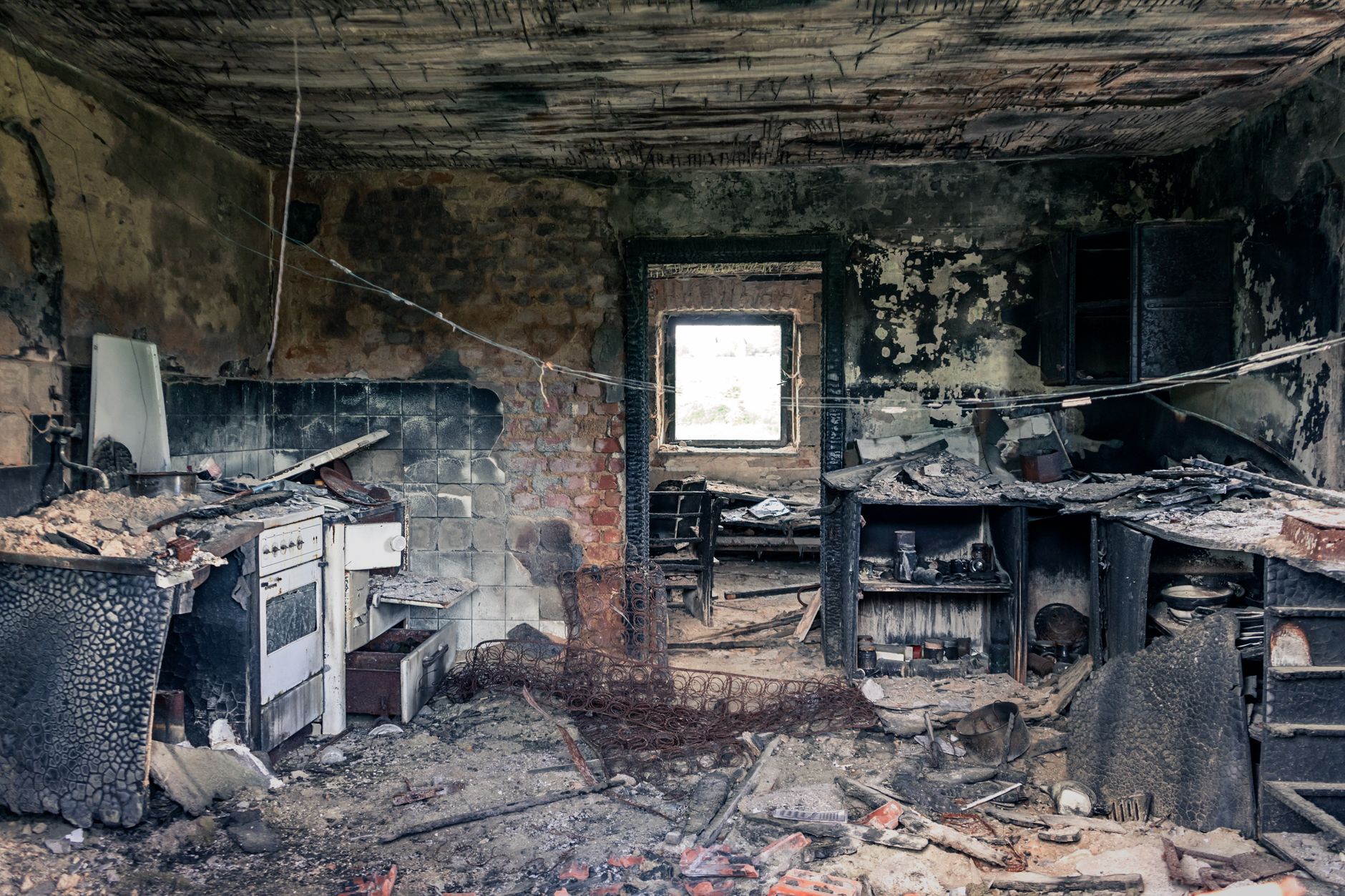
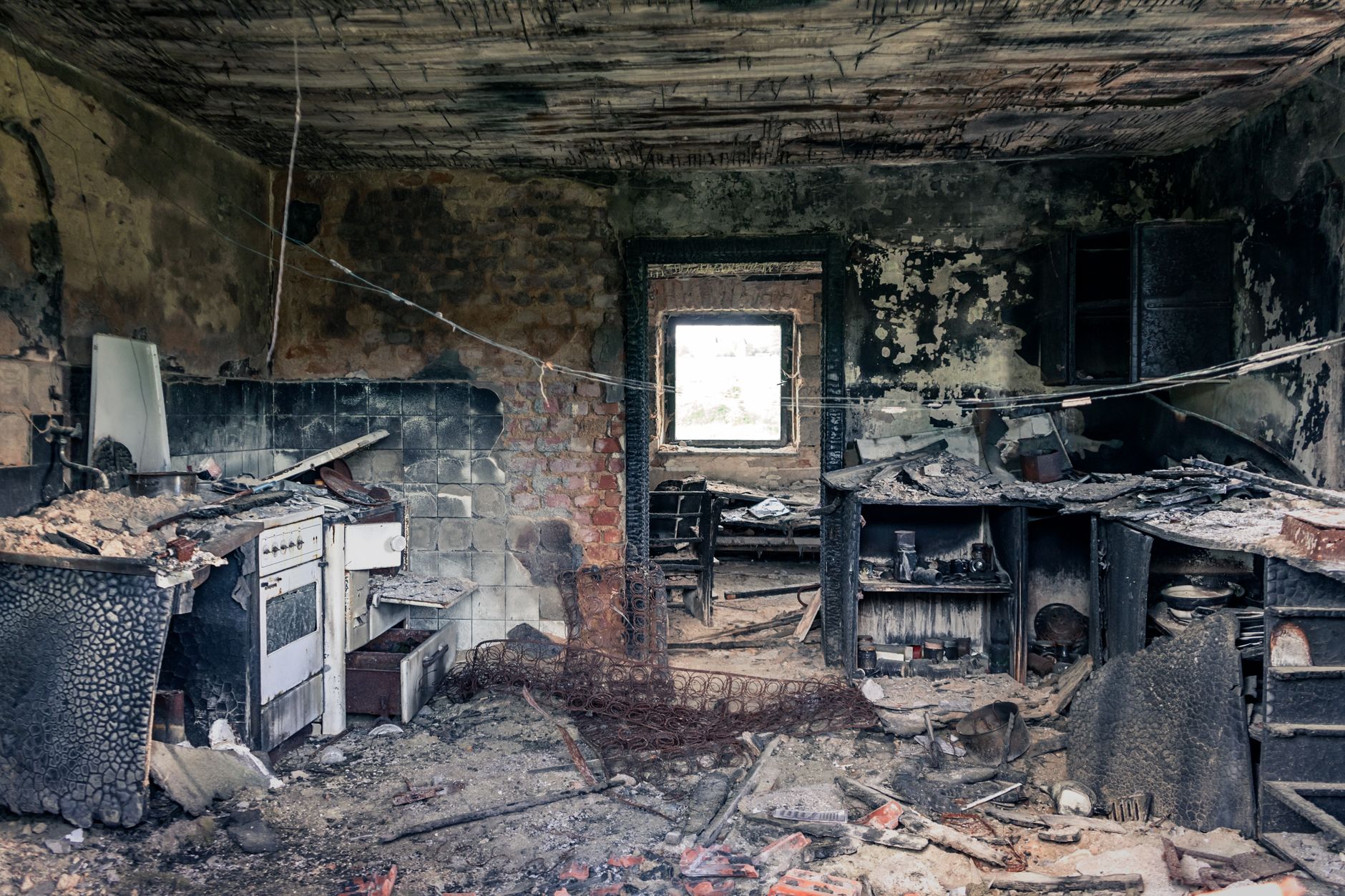
- Burned areas in case of fire damage
- Damaged personal belongings, such as furniture and appliances
Make sure to note the date and conditions of the damage to provide a comprehensive overview.
3. Contact Your Insurance Company
Notify your insurance company about the damage as soon as possible. They will guide you through the claims process and may send an adjuster to evaluate the damage. Having your documentation ready can expedite this process. Be sure to ask them about what is covered under your policy, as different types of damage may have different coverage.
4. Assess Structural Integrity
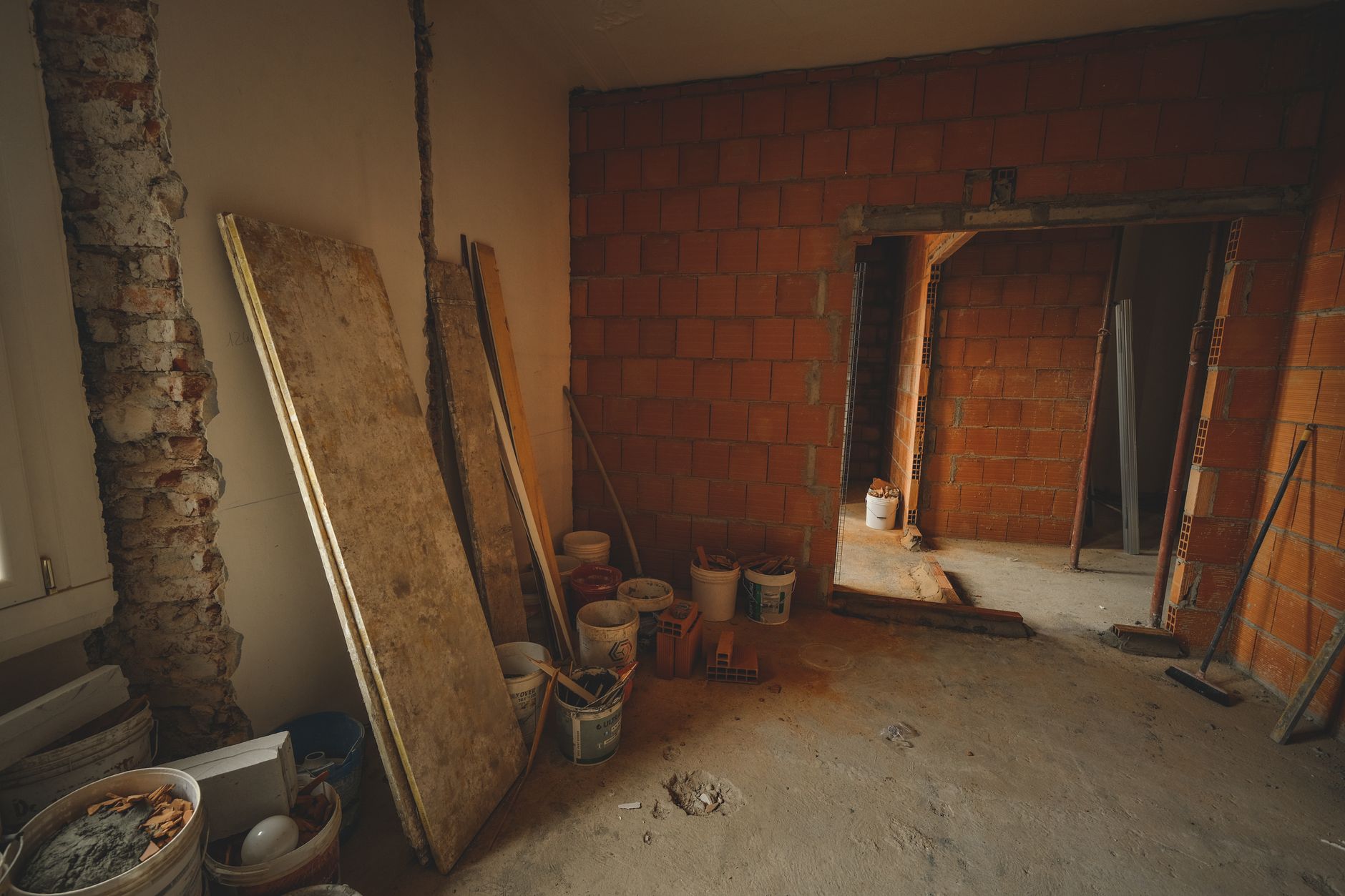
Next, assess the structural integrity of your home, focusing on:
- Walls and ceilings: Look for cracks, warping, or sagging.
- Foundation: Check for cracks or signs of shifting.
- Roof: Inspect for missing shingles or leaks.
If you suspect serious issues, it’s best to contact a professional restoration service to conduct a more thorough inspection.
5. Address Water Damage Promptly
Water damage can lead to mold growth and further deterioration if not addressed quickly. If you find standing water, it’s essential to remove it as soon as possible. Use pumps or wet vacuums if you have them available. For extensive water damage, consider reaching out to professionals specializing in water damage restoration to mitigate the damage effectively.
6. Consider Mold Risks
After water exposure, mold can become a significant concern. Even if you don’t see visible mold, it can be lurking in hidden areas. If you notice a musty smell or discoloration, it’s critical to contact a specialist in black mold removal to assess and remediate the situation before it worsens.
7. Plan for Repairs and Restoration
Once you’ve thoroughly assessed the damage, you can begin planning for repairs. This is where your documentation will come in handy, as it will help contractors understand the extent of the damage. Obtain quotes from multiple restoration professionals to find a service that meets your needs and budget. A well-reviewed company can guide you through the restoration process, including any necessary reconstruction.
If you require plumbing services during the restoration, consider reaching out to Broward Plumbing Pros for assistance. They offer various services, including AC drain line leak repairs for any plumbing issues that may arise during the restoration process.
8. Prevent Future Damage
Once your property has been restored, take proactive steps to prevent future disasters. Regular maintenance, such as cleaning gutters, checking for leaks, and ensuring proper drainage around your home, can mitigate risks. Additionally, consider investing in plumbing upgrades to bolster your home's resilience against future water issues. For ideas on enhancing your plumbing, check out this article on essential plumbing upgrades for Broward homeowners.
In conclusion, assessing your property after a disaster can be daunting, but taking it step-by-step will help you regain control of the situation. Remember, you don’t have to do this alone; reach out to professionals who can guide you through the process and help restore your home to its former state.