
How To Conduct A Post-Disaster Safety Inspection For Your Broward Home
After experiencing a disaster, whether it be a flood, fire, or any other unexpected event, the immediate priority is ensuring the safety of your home and its occupants. Conducting a thorough post-disaster safety inspection is crucial to identify potential hazards and assess the damage. Here’s a step-by-step guide to help you through the inspection process.
Assess the Situation
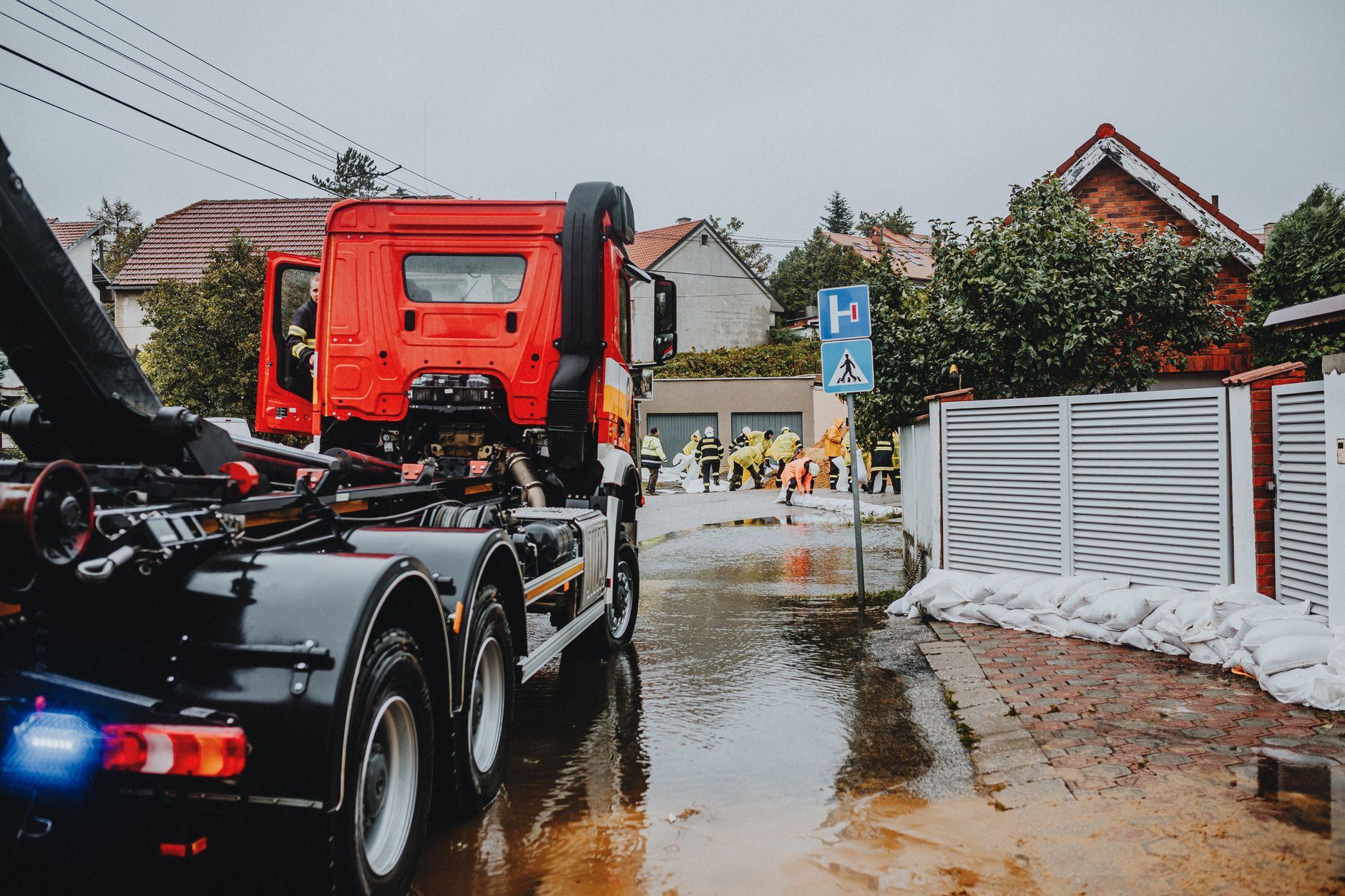
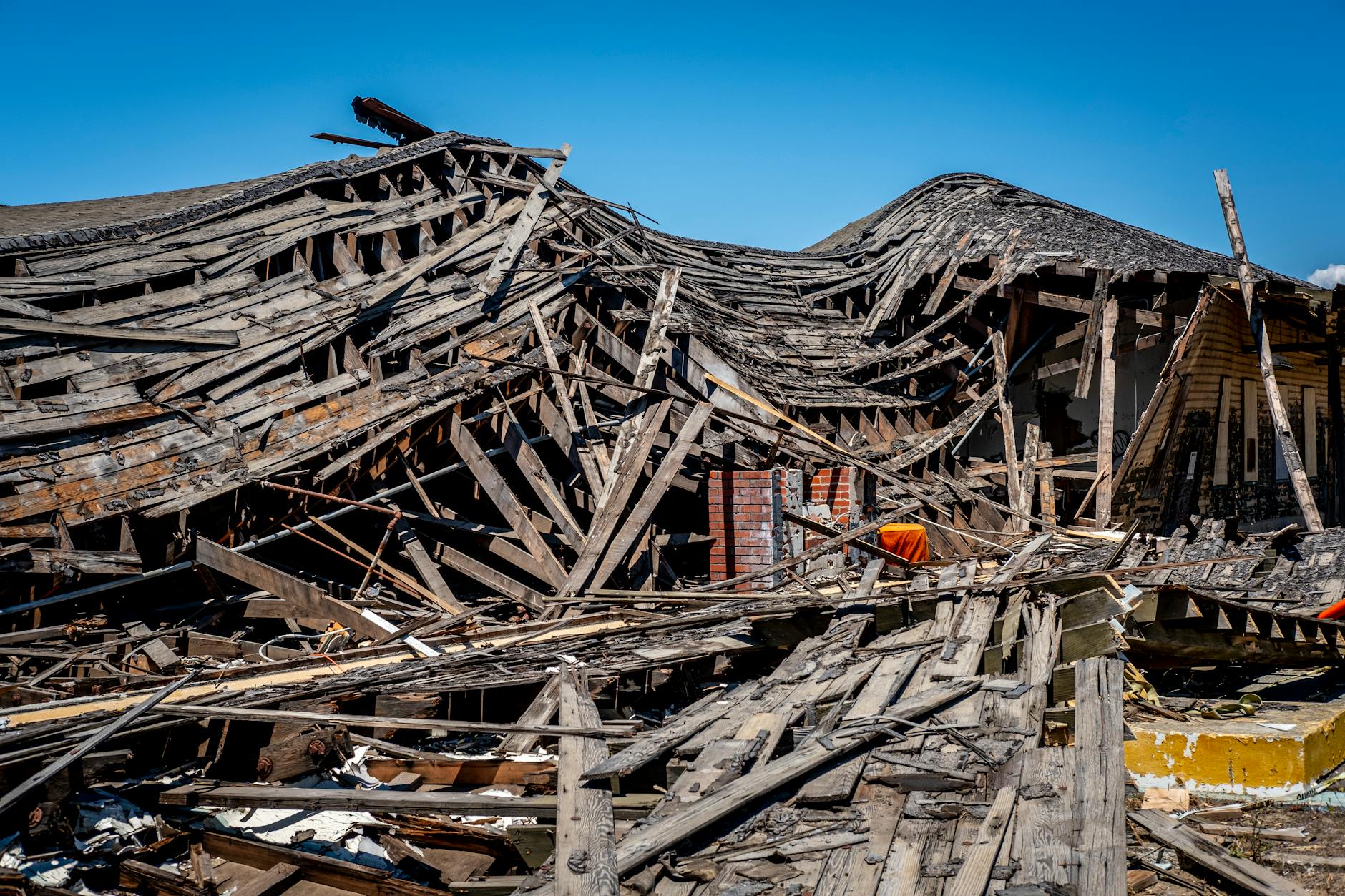
Before entering your home, take a moment to observe the exterior. Look for signs of structural damage, such as cracks in the foundation, leaning walls, or fallen debris. Make sure to check for any downed power lines or gas leaks. If you notice any unsafe conditions, it’s best to contact professionals to handle the situation.

Safety First: Gather Your Supplies
Before beginning your inspection inside, equip yourself with essential safety gear. This includes:
- Sturdy gloves
- Safety goggles
- Dust masks
- Flashlight
- First aid kit
Being prepared will help protect you from potential hazards lurking in the aftermath of a disaster.
Entering Your Home
When you feel it’s safe to enter, proceed cautiously. Be mindful of the floors; they may be unstable or weakened. Turn off the electricity at the main breaker if you suspect water damage or if the area is flooded. This precaution can prevent electrical shocks.
Inspecting Each Room
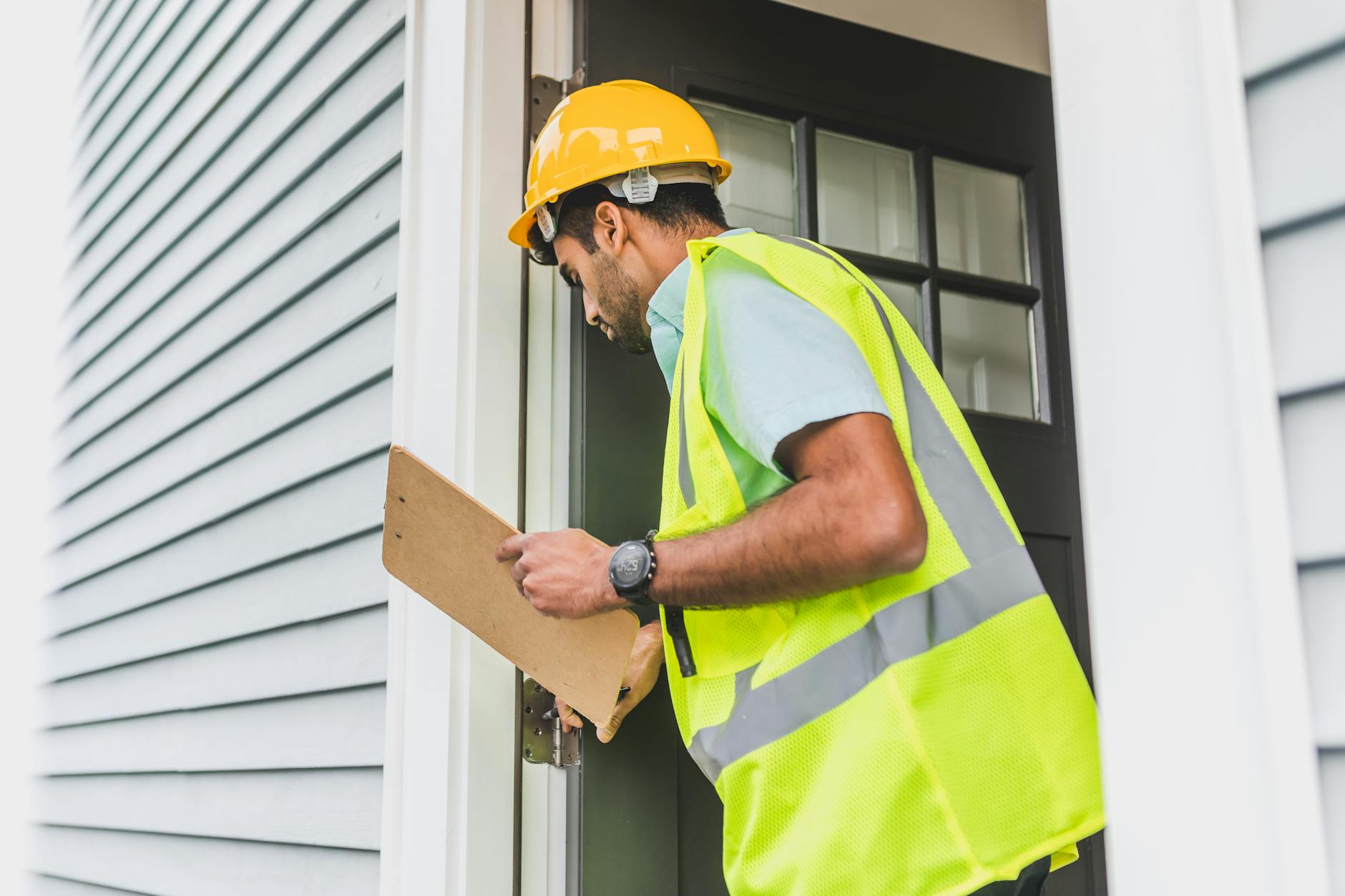
Start your inspection in one room and work your way through the house systematically. Here’s what to focus on:
1. Look for Water Damage
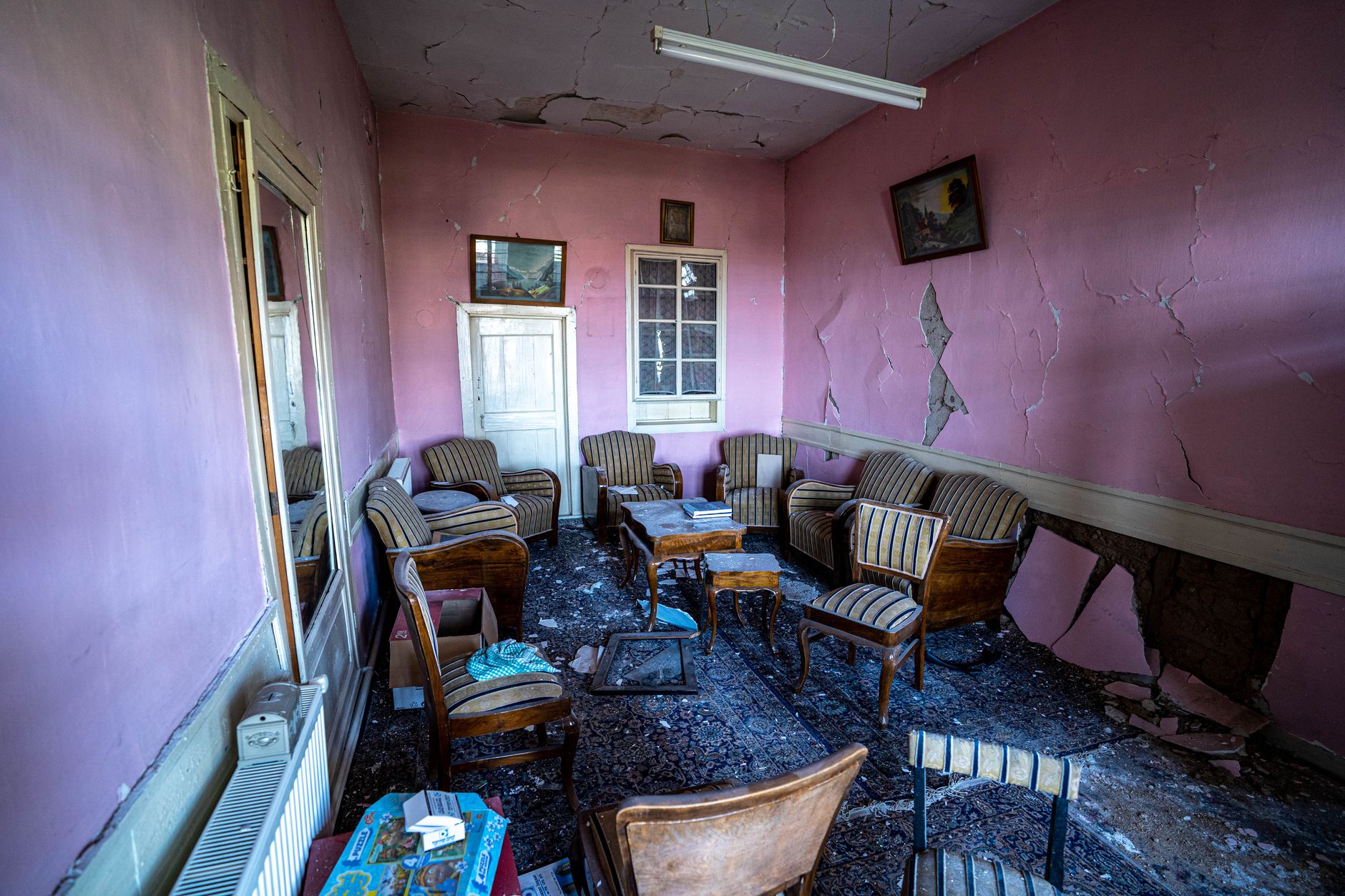
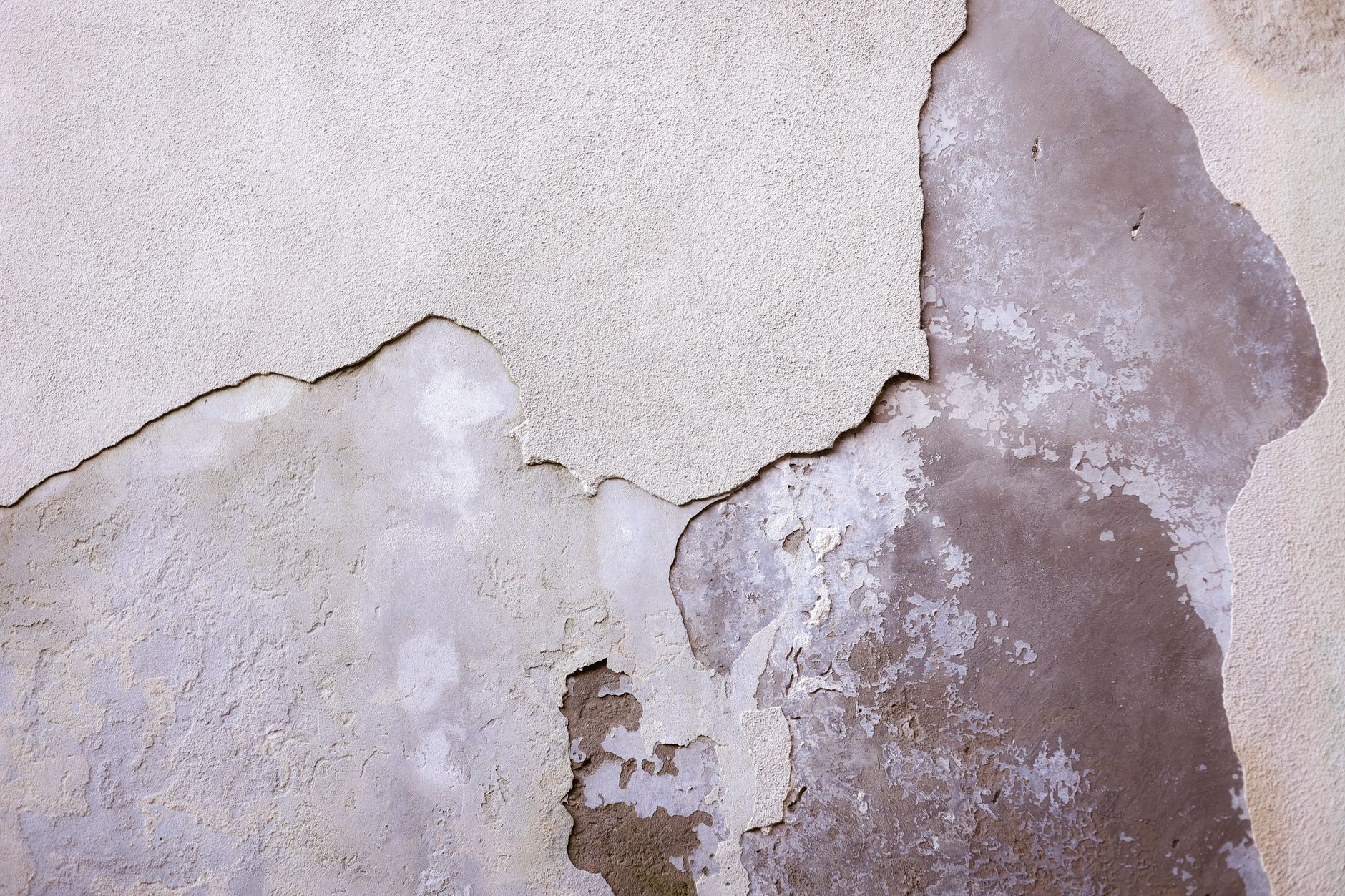
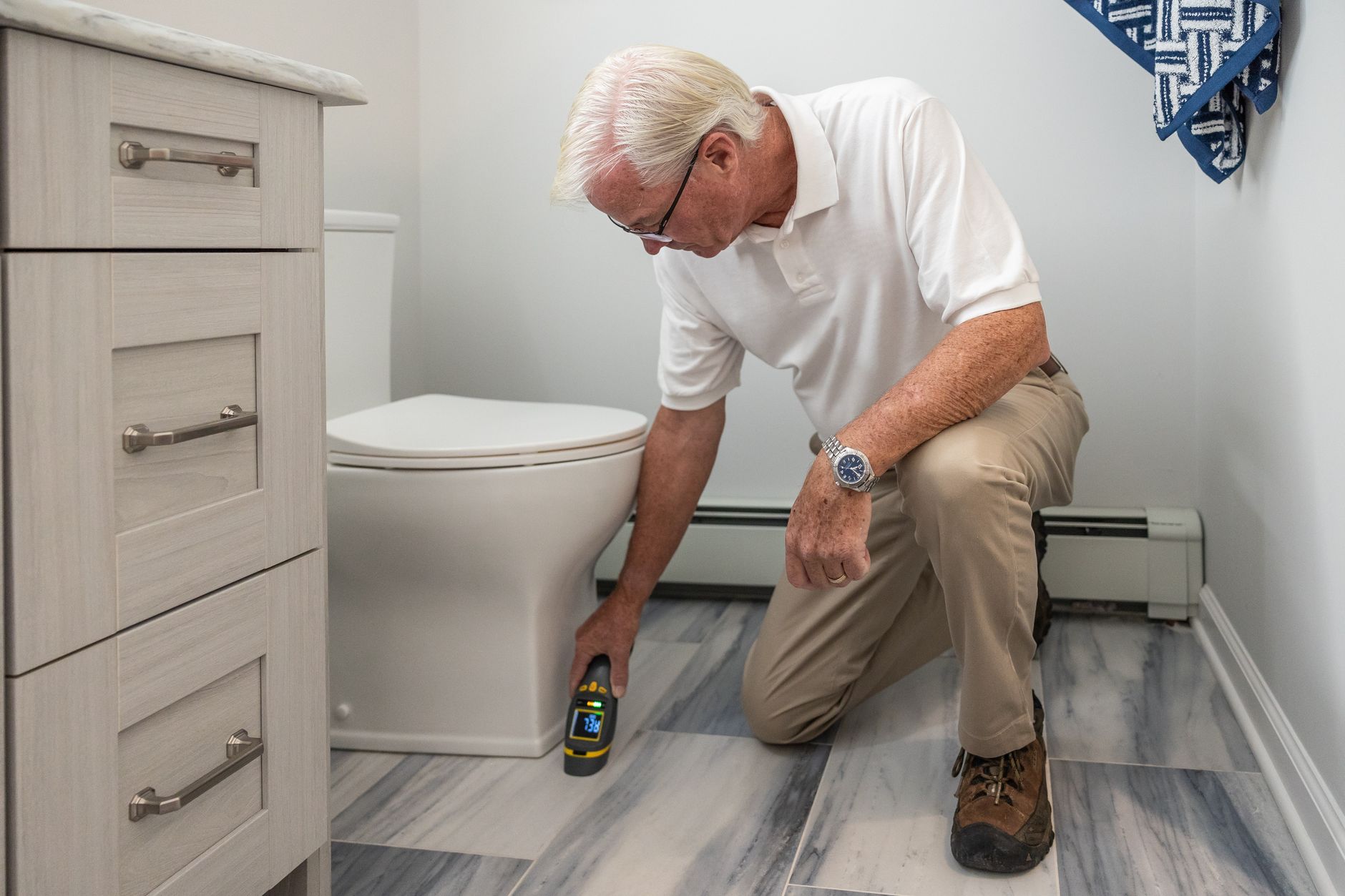
Check ceilings, walls, and floors for signs of water damage. Staining, bubbling, or peeling paint can indicate moisture problems. Pay special attention to areas around windows and doors, as these are often the first places to show signs of leaks.
2. Check for Mold Growth
Mold can develop quickly in damp environments. Look for discoloration on walls, ceilings, and hidden areas like behind furniture. If you find mold, it’s essential to address it promptly to avoid health risks. For extensive mold issues, consider contacting a professional for mold removal.
3. Evaluate Structural Integrity
Inspect beams, joists, and foundations for cracks or warping. If you notice any significant concerns, it’s crucial to get a structural engineer involved to assess the safety of your home.
4. Test for Hazardous Materials
If your home suffered fire damage, check for soot and smoke residue. These can pose health risks if not cleaned properly. Additionally, if your home was built before 1978, be aware of potential lead paint hazards and seek professional help for remediation.
5. Document Everything
As you conduct your inspection, take detailed notes and photographs of any damage. This documentation is vital for insurance claims and can help restoration professionals understand the extent of the damage.
When to Call for Help
If you uncover significant damage or hazardous conditions, do not hesitate to call in restoration professionals. They have the expertise and equipment necessary to safely handle complicated restorations. For immediate assistance in Broward County, consider reaching out to Broward Restoration Pros.
Conclusion
Conducting a post-disaster safety inspection can feel overwhelming, but taking it step by step can help ensure your home is safe and secure. Remember, safety is paramount—don’t hesitate to seek professional assistance if needed. After all, your peace of mind is worth it.
For any plumbing issues that may arise during your inspection, such as leaks or drainage problems, check out Broward Plumbing Pros for expert services. Additionally, you can explore their insights on eco-friendly plumbing fixtures to enhance your home's sustainability.