How To Develop A Comprehensive Water Mitigation Strategy For Broward Homes
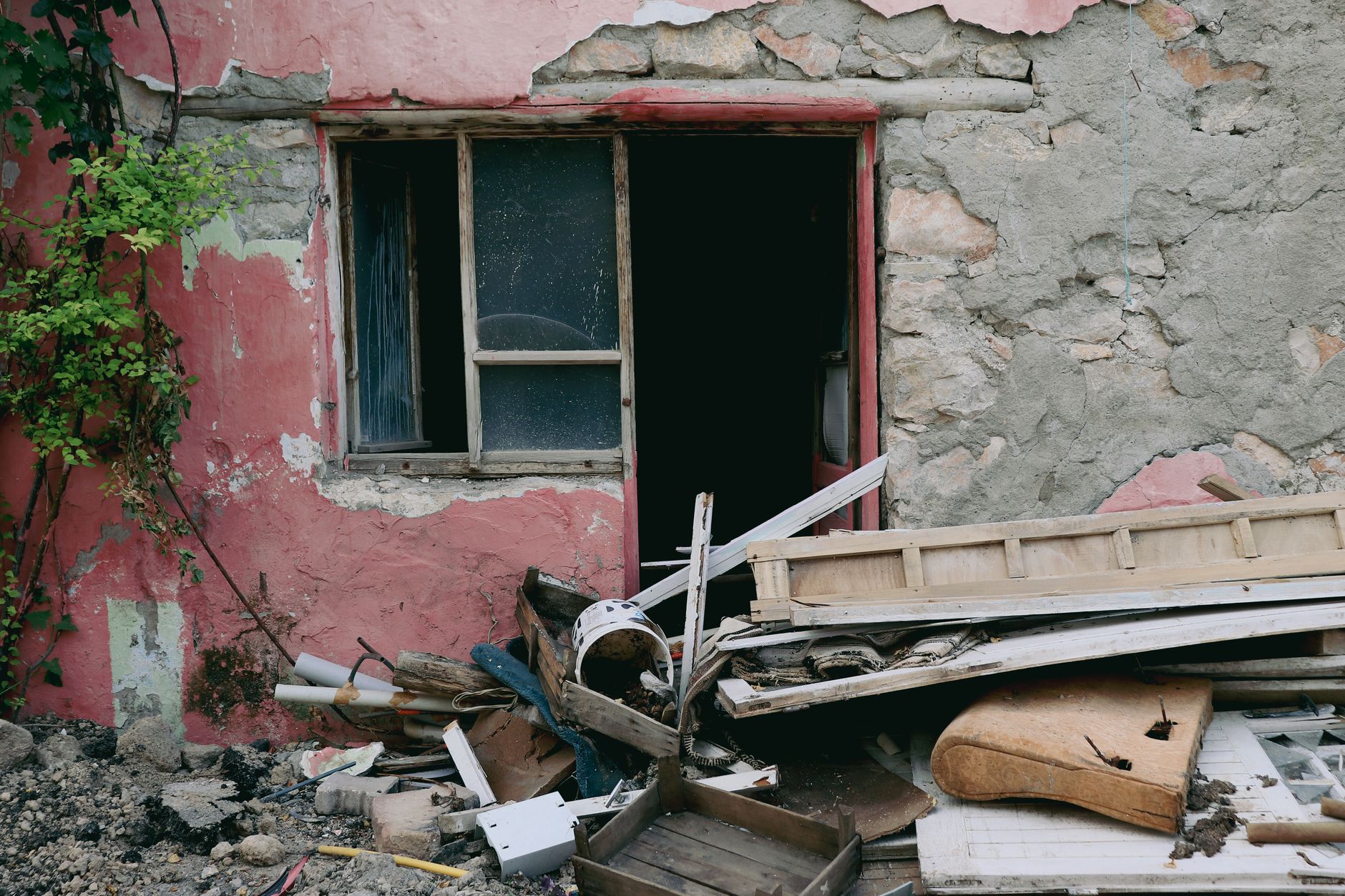
Water damage can strike unexpectedly, leaving homeowners in Broward County feeling overwhelmed and uncertain about their next steps. Whether it’s a sudden pipe burst, an overflowing bathtub, or even a natural disaster, the aftermath of water damage can be devastating. Developing a comprehensive water mitigation strategy is essential for protecting your home, minimizing damage, and ensuring a swift recovery.
Start by assessing your home’s vulnerabilities. Consider factors like the age of your plumbing, the condition of your roof, and the susceptibility of your basement to flooding. Understanding where your property is most at risk can guide you in creating a robust mitigation plan that addresses these specific areas.
Identify Common Sources of Water Damage
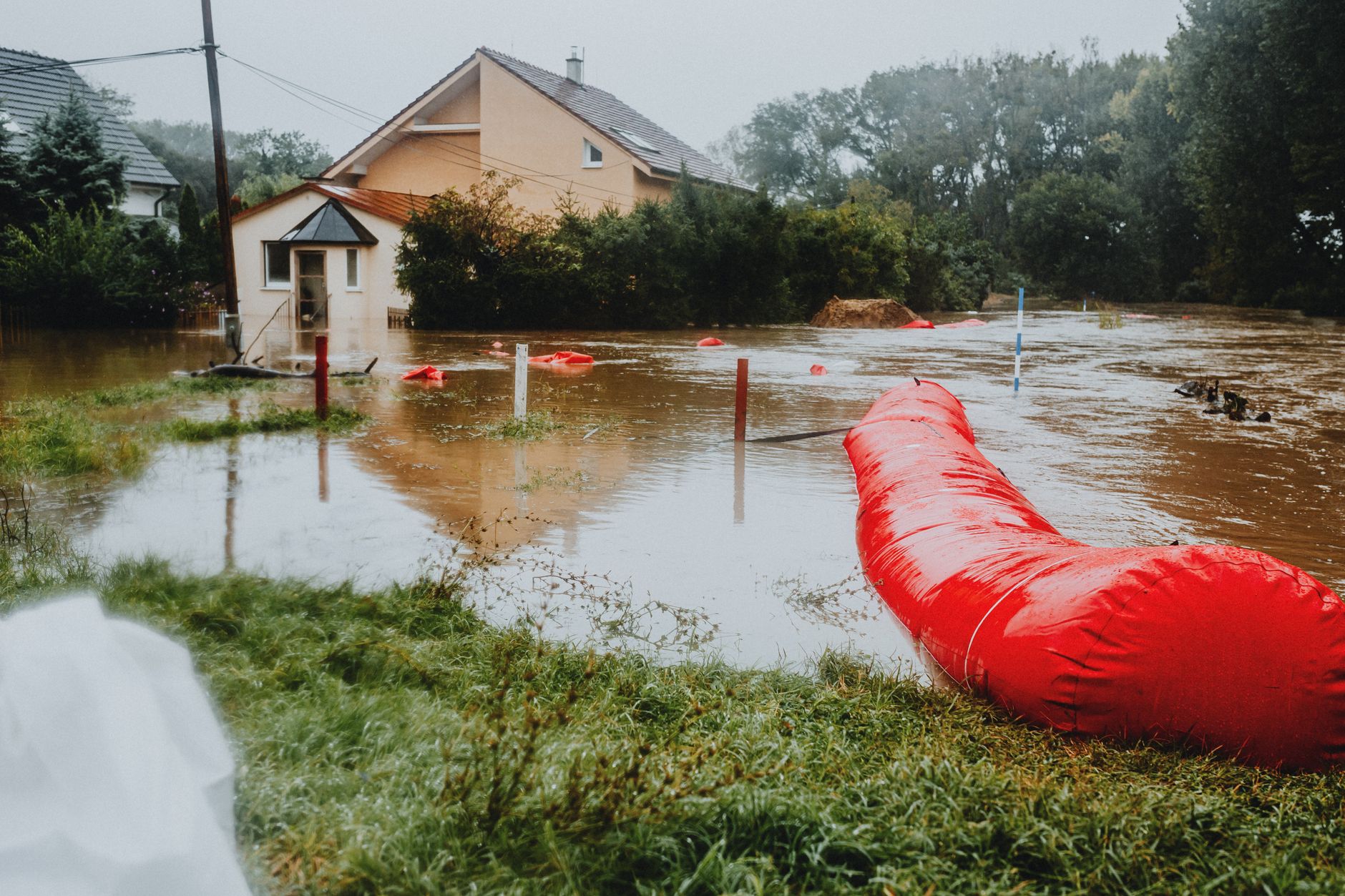
In Broward County, the humidity and frequent rain can exacerbate potential water damage issues. Here are some common sources to keep in mind:
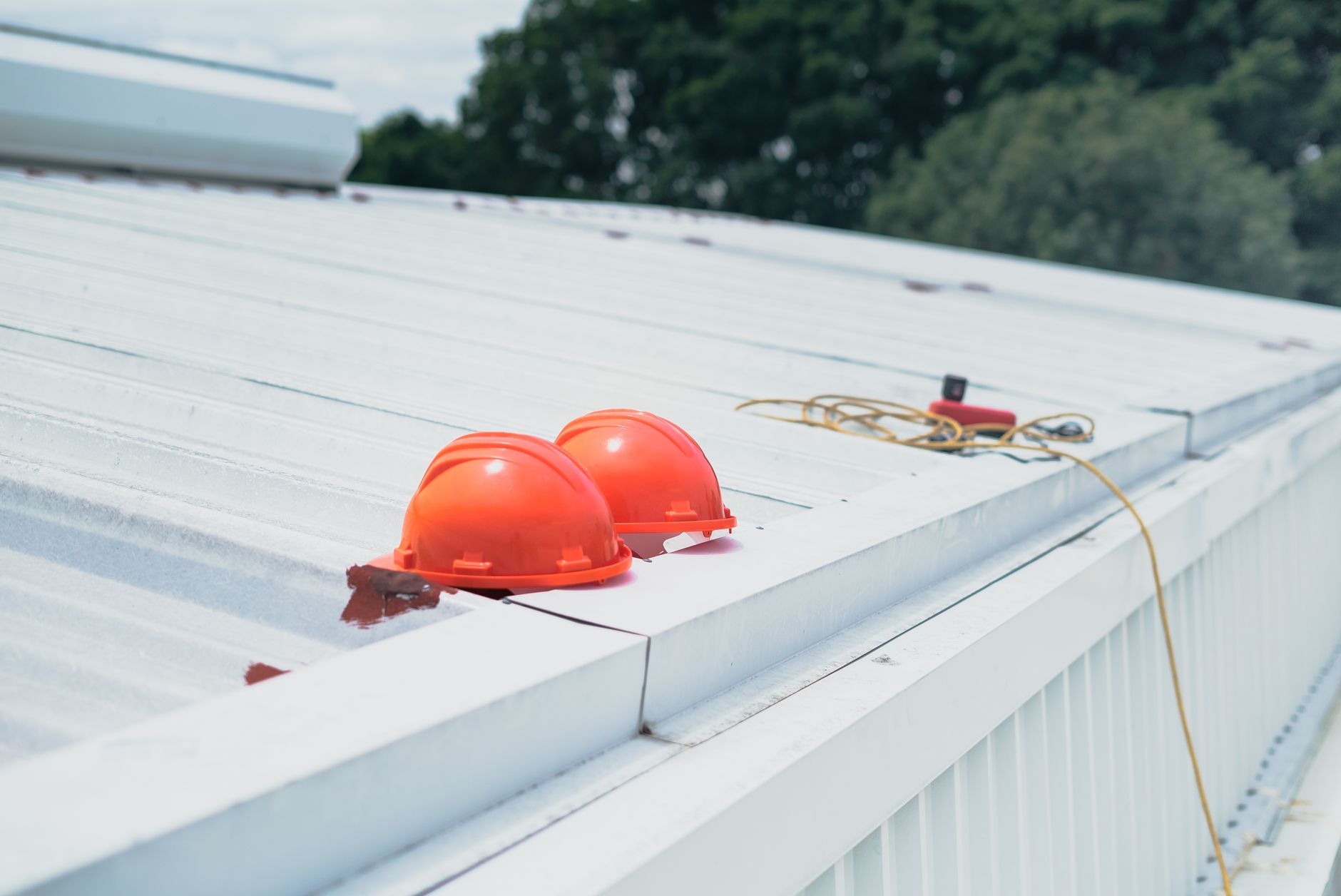
- Leaky Roofs: Regularly inspect your roof for missing shingles or signs of wear. Even small leaks can lead to significant water damage over time.
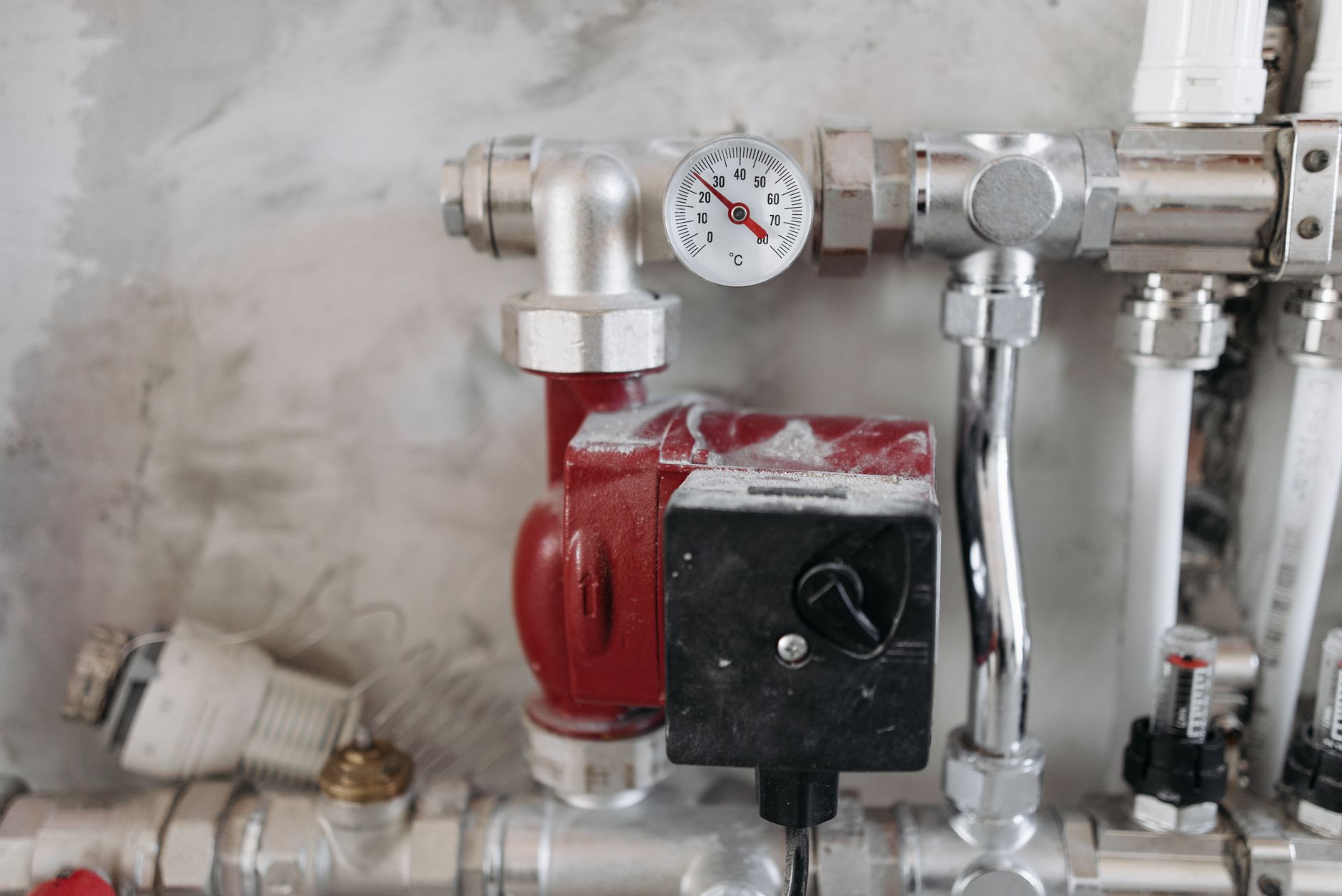
- Pipes and Plumbing: Aging or poorly installed plumbing can lead to leaks. Consider having a professional inspection if you notice any damp spots or water stains on your walls or ceilings.
- Basement Flooding: If your home has a basement, it’s vital to have a sump pump in place. During heavy rain, this can help prevent water from accumulating.
Create a Response Plan
Once you understand the potential risks, the next step is to develop a response plan. This should include:
- Emergency Contacts: Have a list of contacts for local restoration professionals and plumbers readily available. You can reach out to Broward Plumbing Pros for water line issues that may require immediate attention.
- Insurance Information: Review your homeowner’s insurance policy to ensure you understand what types of water damage are covered. Keep your insurance agent’s contact information handy.
- Mitigation Equipment: Invest in essential equipment such as dehumidifiers, water extraction pumps, and moisture meters. These tools can significantly aid in your recovery process.
Implement Preventive Measures
Preventing water damage is the most effective strategy. Here are some preventive measures you can take:
- Regular Maintenance: Schedule routine maintenance for plumbing systems and appliances to identify potential issues before they escalate.
- Install Check Valves: Consider installing check valves to prevent water from flowing back into your home through the sewer system.
- Landscaping Considerations: Design your landscaping to direct water away from your home’s foundation. Simple measures like grading the yard or adding gutters can help.
Know When to Call Professionals
In cases of significant water damage, it’s crucial to know when to call in the experts. If you encounter extensive flooding or mold growth, don’t hesitate to contact a restoration professional. They have the experience and equipment necessary to address these issues effectively. For reliable restoration services, visit our 24-Hour Water Damage Restoration service page.
Furthermore, be proactive about your plumbing by reading about the best plumbing fixtures for your unique needs. Check out this useful guide on choosing the right plumbing fixtures for your Broward home.
Final Thoughts
Water mitigation is not just about responding to damage; it’s about preparing for it. By developing a comprehensive strategy that includes risk assessment, a solid response plan, and preventive measures, you can safeguard your home against water damage. Remember, staying informed and proactive is the key to minimizing damage and ensuring a smooth recovery if disaster strikes.