

How To Develop An Effective Mold Management Strategy For Broward Homes
Living in Broward County means enjoying a beautiful climate, but it also comes with a risk: humidity. This moisture can create the perfect environment for mold to thrive, particularly in homes that aren't properly ventilated or maintained. If you've ever encountered a musty smell in your home or noticed dark spots on walls and ceilings, you might be dealing with mold. Developing an effective mold management strategy is crucial for maintaining a safe and healthy living space.
Understanding Mold and Its Risks
Mold spores are present in the air and can enter your home through windows, doors, and ventilation systems. While most mold is harmless, certain types can pose serious health risks, particularly for individuals with allergies, respiratory issues, or weakened immune systems. Common types of mold found in homes include Aspergillus, Penicillium, and the notorious Stachybotrys chartarum (black mold).
It’s essential to recognize the signs of mold growth early on. Look for:
- Visible mold growth on walls and ceilings
- Water stains or discoloration
- A musty or earthy odor
- Allergic reactions in inhabitants, such as sneezing or skin irritation
Steps to Develop a Mold Management Strategy
To safeguard your home from mold, consider the following steps:
1. Control Indoor Humidity
Keep indoor humidity levels below 60%. Use dehumidifiers in damp areas like basements or bathrooms, especially after showering. Ensure proper ventilation in your home, particularly in areas prone to moisture.
2. Regular Inspections
Conduct regular inspections in areas that are prone to moisture, such as:
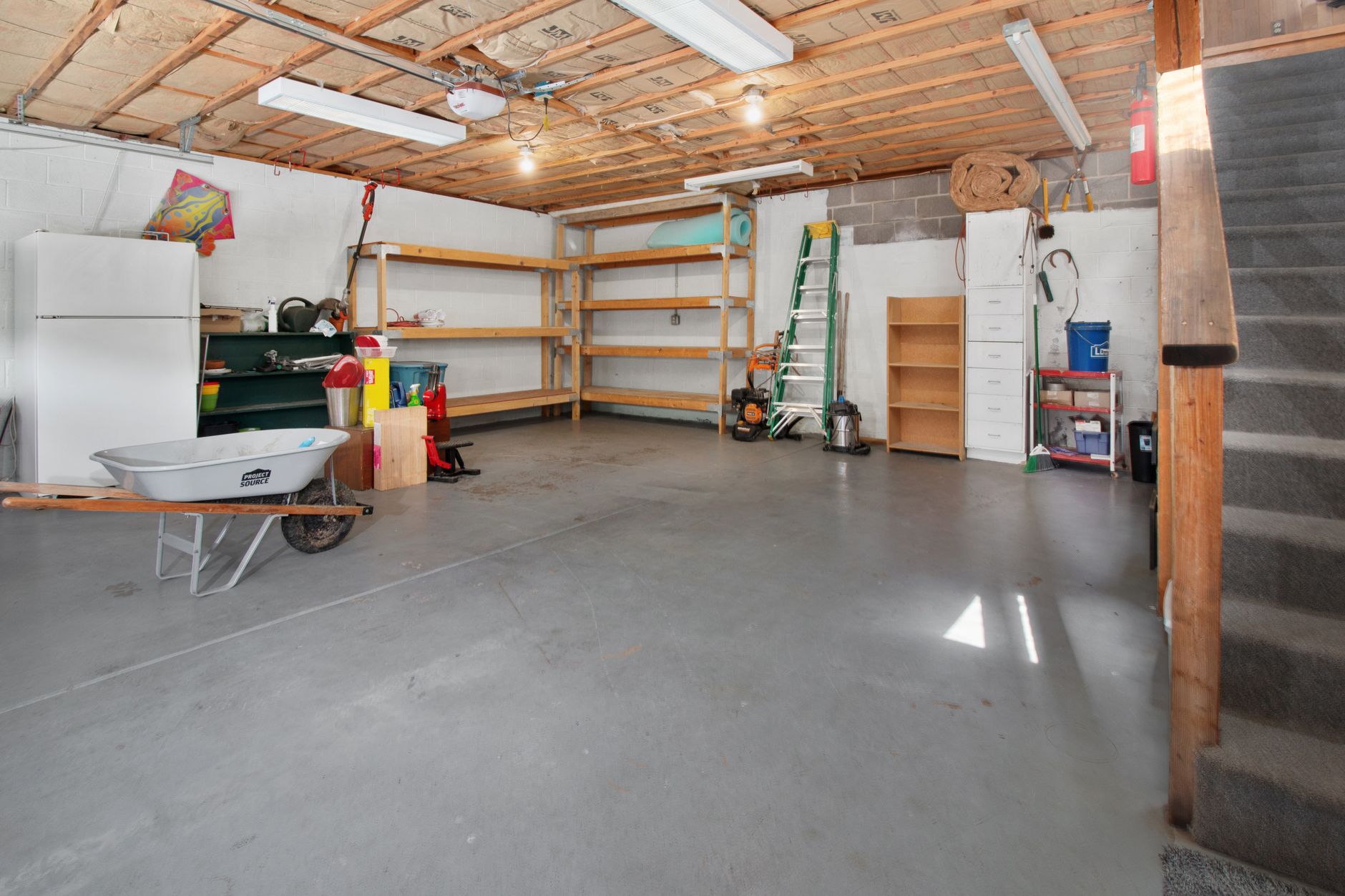
- Bathrooms
- Kitchens
- Attics
- Basements
Look out for signs of water damage, leaks, or condensation, which could lead to mold growth if not addressed promptly.
3. Promptly Address Water Issues
If you experience a leak or water damage, act quickly. Call a professional for services like appliance leak cleanup or black water cleanup. The faster you address the issue, the less likely mold will have a chance to grow.
4. Use Mold-Resistant Products
When renovating or building, opt for mold-resistant drywall and paints to reduce the risk of future mold growth. These materials can help prevent moisture absorption.
5. Clean and Maintain
Regularly clean bathrooms and kitchens with mold-inhibiting solutions. Pay special attention to areas around sinks, tubs, and toilets where moisture can accumulate.
When to Call a Professional
If you discover a significant mold infestation—or if the mold covers an area larger than 10 square feet—you should contact a professional mold remediation service. Professionals can safely remove the mold and suggest improvements to prevent future growth. In Broward County, Broward Plumbing Pros offers water damage restoration services that can help address the underlying issues leading to mold growth.
Conclusion
Managing mold in your home is an ongoing process that requires vigilance and proactive measures. By controlling humidity, conducting regular inspections, and addressing water issues promptly, you can significantly reduce the risk of mold growth. Remember, if you ever feel overwhelmed by mold problems, don't hesitate to reach out to professionals who specialize in mold removal and remediation. Additionally, check out this informative blog post for eco-friendly solutions that might benefit your home’s plumbing and mold management needs.