How To Effectively Assess Structural Damage After A Flood In Broward
Experiencing a flood can be a traumatic event for any homeowner. The aftermath often leaves you feeling overwhelmed, especially when it comes to assessing the damage to your home. Understanding how to effectively assess structural damage is crucial for both safety and recovery. In this guide, we’ll walk you through the steps to determine the extent of the damage, what signs to look for, and when to call in a professional.
Initial Safety Precautions
Before you even think about entering your home, ensure that it's safe to do so. Floodwaters can contain hazards such as sharp debris, chemicals, or even electrical risks. Here are some important precautions to take:
- Turn off the electricity and gas supply to your home if it's safe to do so.
- Wear protective clothing, including boots and gloves, to prevent injury and contamination.
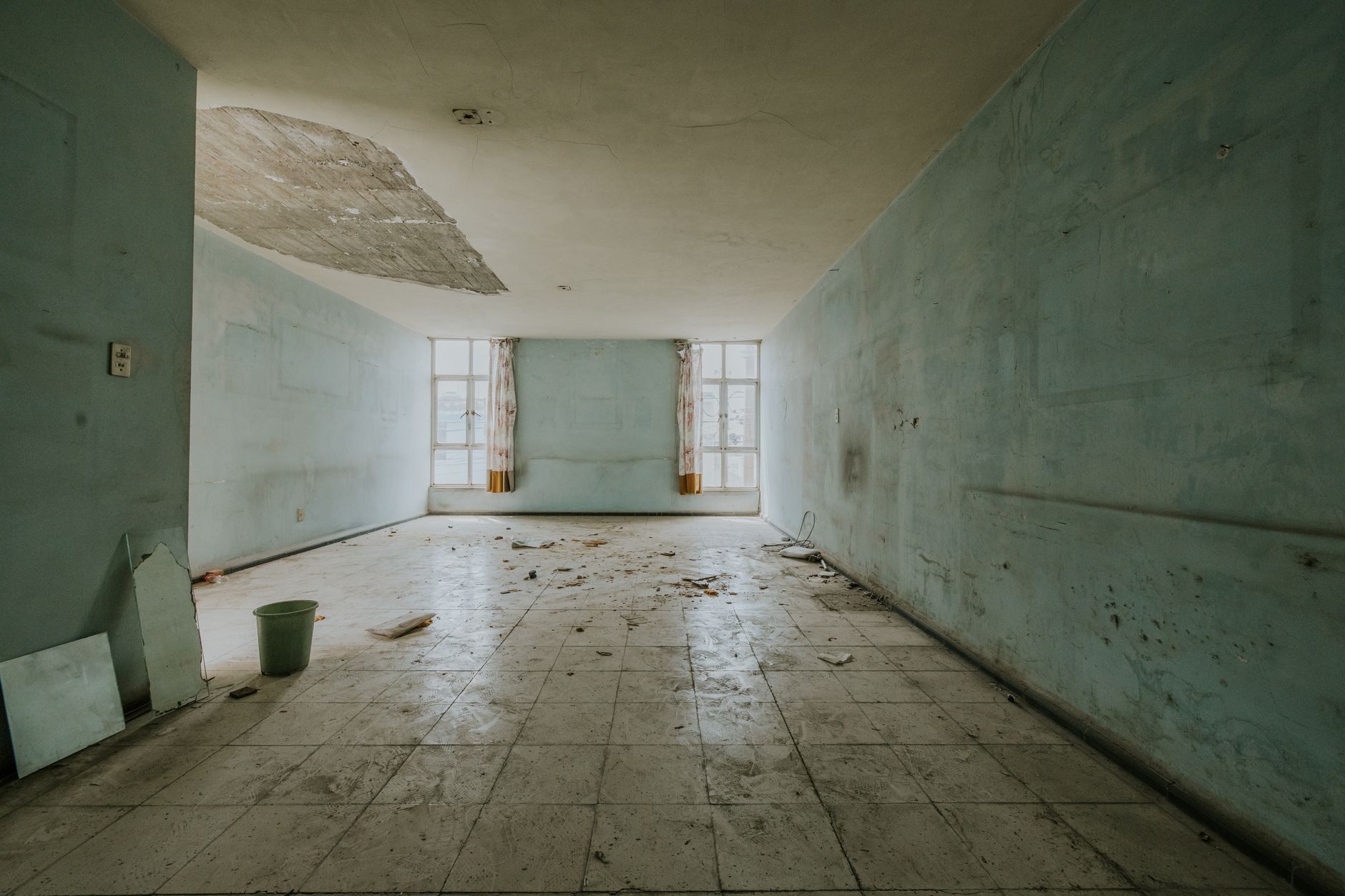
- Check for structural instability before entering, looking for sagging ceilings or walls.
Identifying Signs of Structural Damage
Once you’re safely inside, you can begin to assess the damage. Focus on the following areas:
Foundation
The foundation is the most critical part of your home’s structure. Look for signs of cracking or shifting. If you notice any significant cracks, especially those wider than a quarter inch, it’s vital to consult a structural engineer.
Walls
Examine both the interior and exterior walls for signs of damage. Look for:
- Cracks or fissures
- Peeling paint or wallpaper
- Bowing or leaning walls
Floors
Inspect the floors for warping, buckling, or significant water damage. Soft spots could indicate underlying structural issues that need to be addressed.
Roof and Ceiling
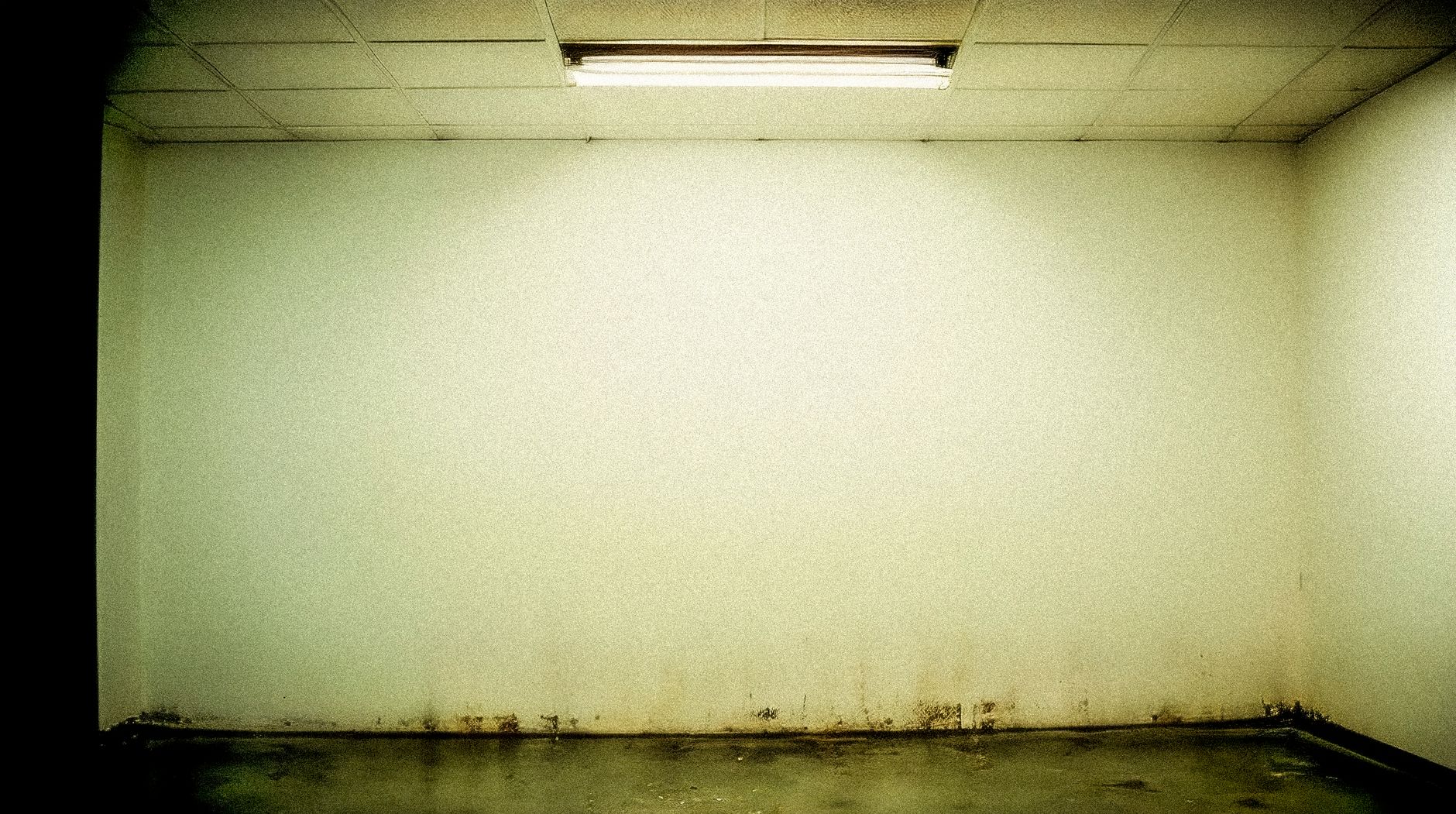
Check your roof for missing shingles or sagging areas. Inside, look for water stains or discoloration on ceilings, as these can indicate leaks or structural weakness.
Documents and Insurance
As you assess the damage, document everything. Take photographs of all affected areas, as this will be essential for your insurance claim. Speak to your insurance provider regarding your coverage and the process for filing a claim.
When to Call a Professional
While it’s possible to assess minor damage, many situations require the expertise of a professional restoration service. Here are some signs that indicate it’s time to call in the experts:
- If you notice significant structural damage, such as large cracks in the foundation or walls.
- When electrical systems have been compromised.
- If there are signs of mold growth or water intrusion that you cannot handle yourself.
For comprehensive assessments and restoration, consider reaching out to a qualified contractor. They can provide a detailed evaluation and assist with the necessary repairs.
Further Assistance and Resources
In addition to structural assessments, you may also need plumbing assistance to address any leaks or water damage caused by the flood. For expert plumbing services, check out Broward Plumbing Pros for local resources in Coconut Creek.
For further reading on home maintenance and efficiency, visit this blog article on enhancing plumbing efficiency.
Conclusion
Assessing structural damage after a flood can be a daunting task, but with the right approach, you can effectively identify issues and take the necessary steps toward recovery. Prioritize safety, document the damage, and know when to call for professional help. Remember, your home is a significant investment, and ensuring its integrity is crucial for your peace of mind.