How To Effectively Manage Mold Risks After A Flood In Broward
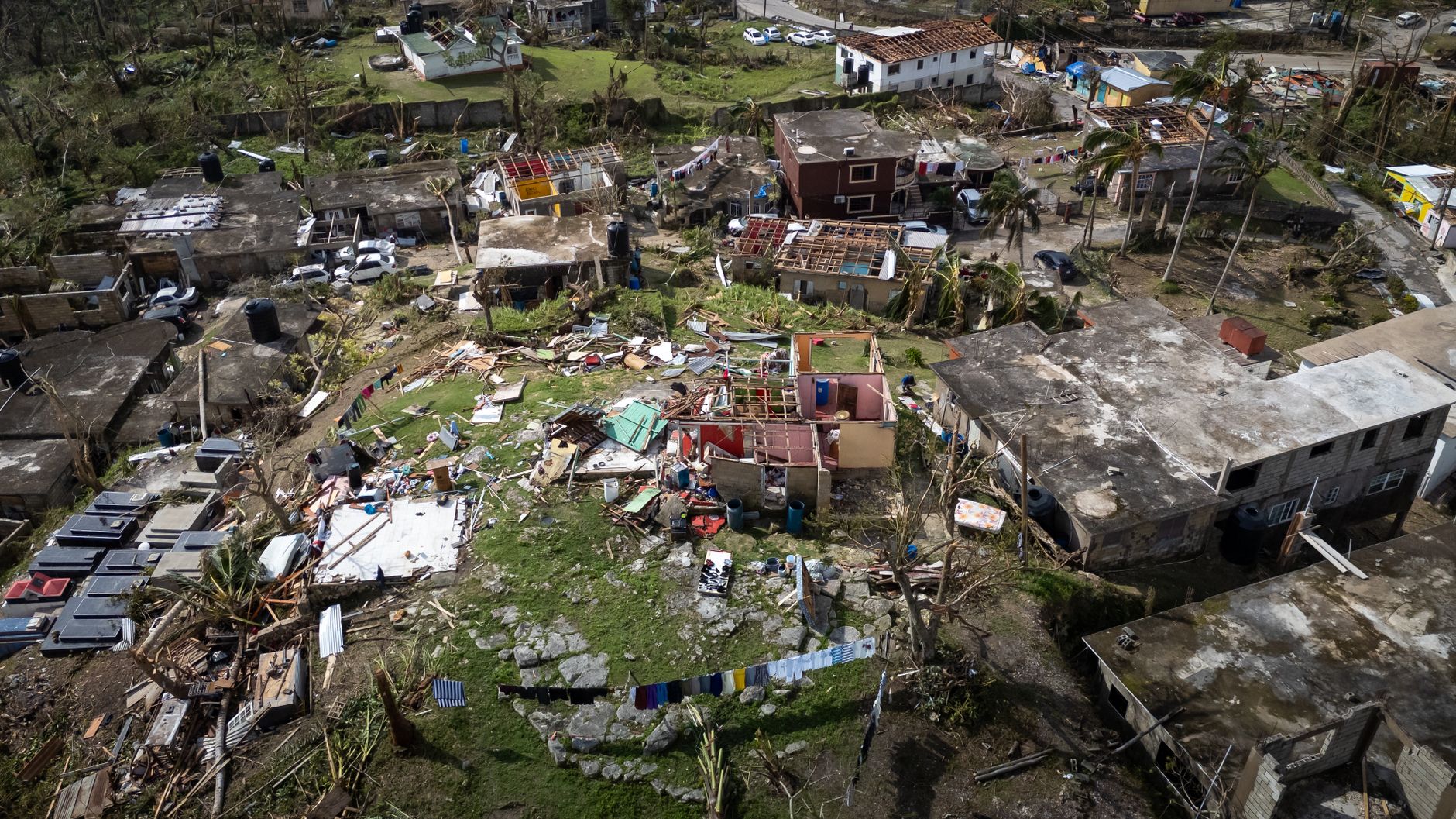
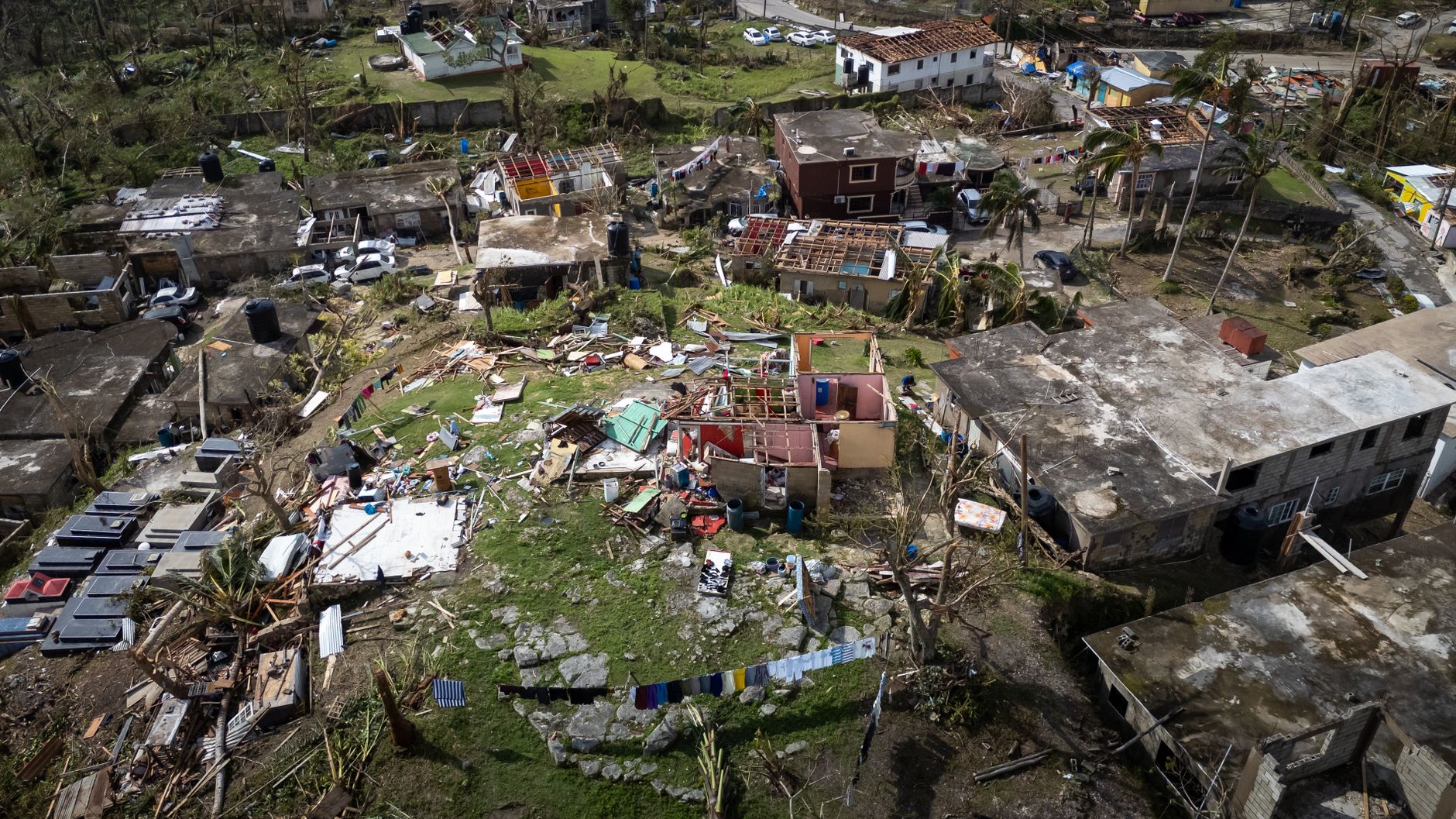
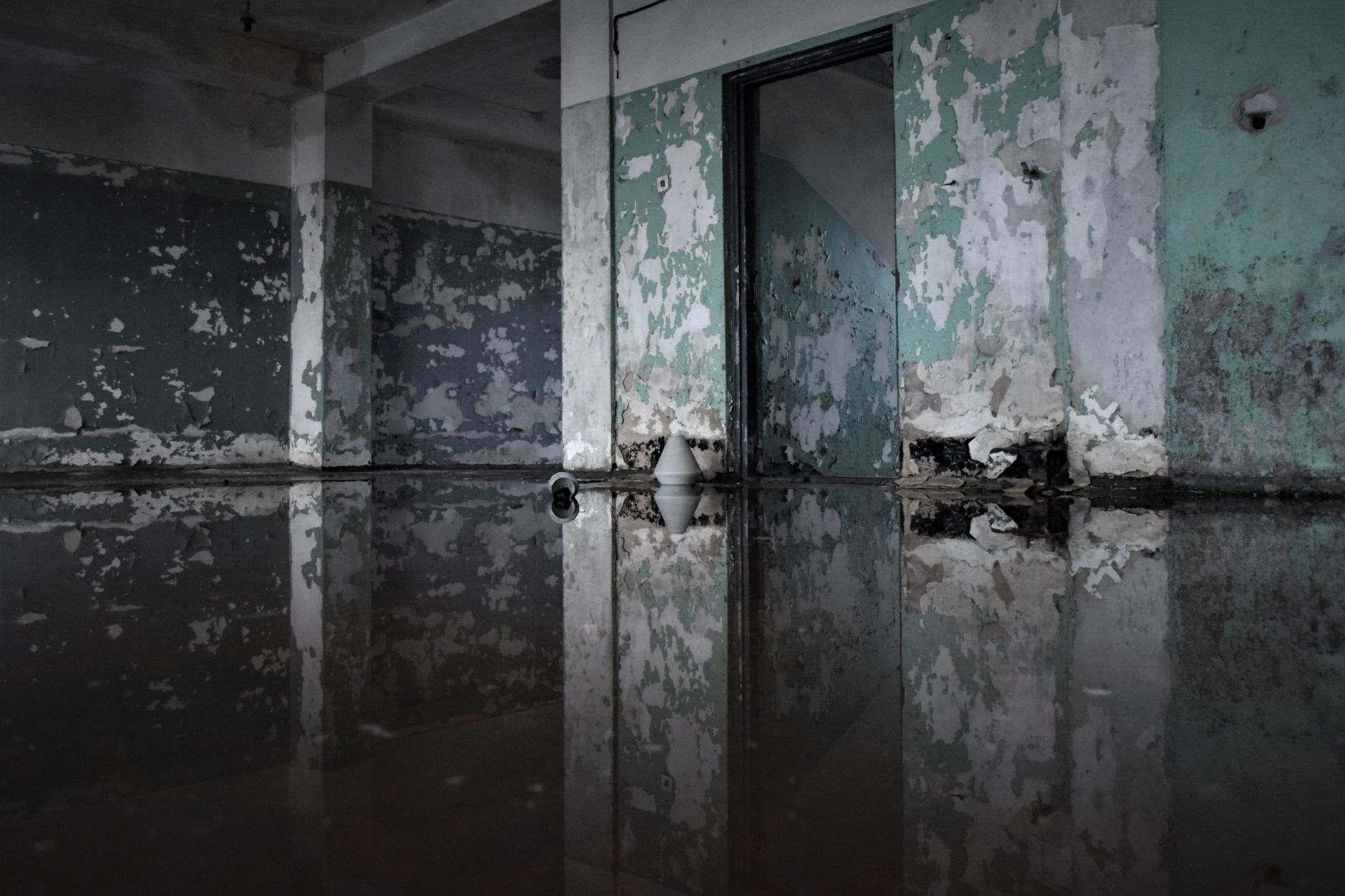
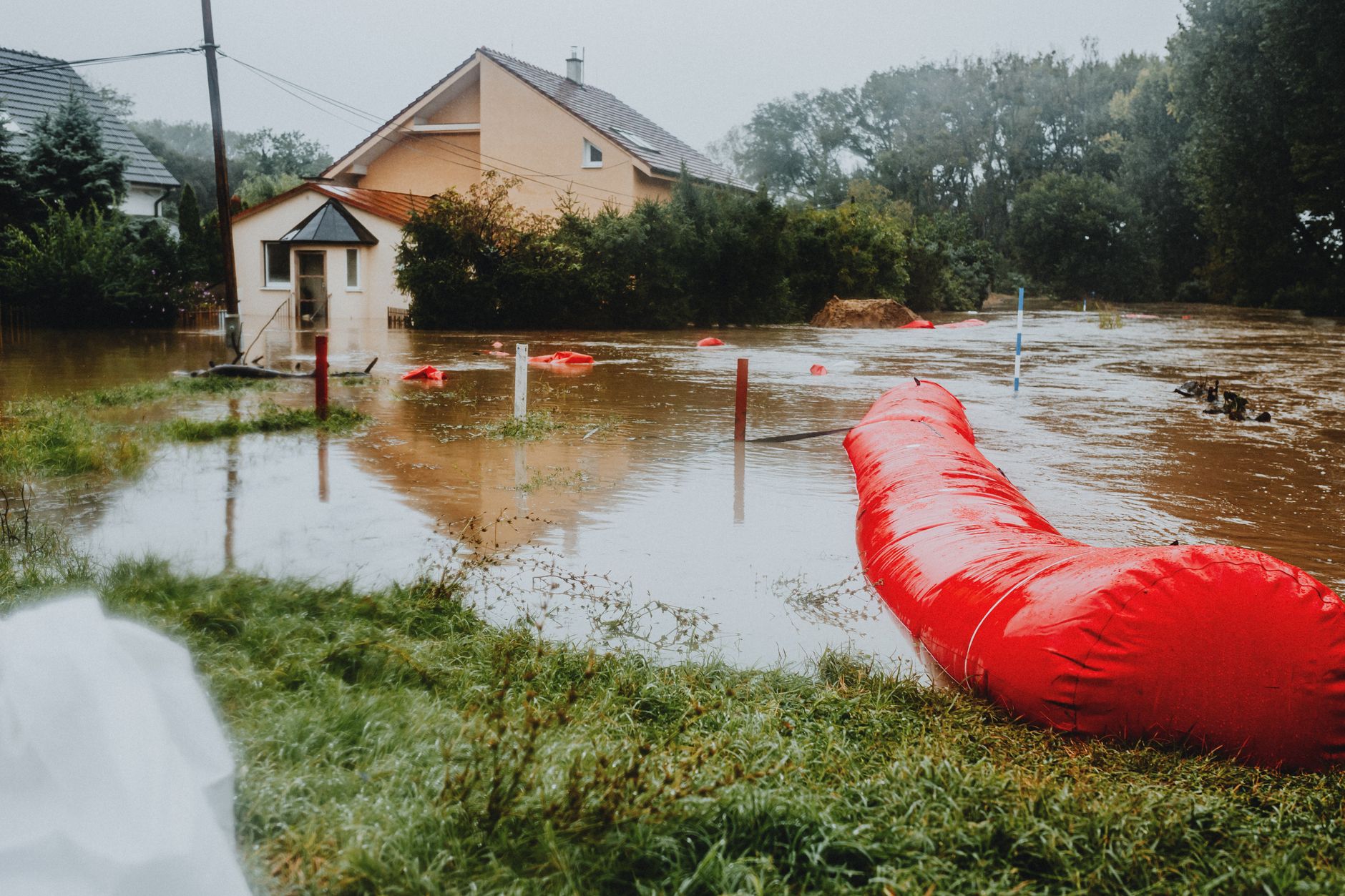
Experiencing a flood can be a traumatic event for any homeowner. The aftermath often brings about a host of concerns, especially regarding mold growth. Mold can begin to develop within 24 to 48 hours after a water intrusion, making it crucial to act swiftly and efficiently. In Broward County, the warm, humid climate can exacerbate these risks, so understanding how to manage and mitigate mold after a flood is essential.
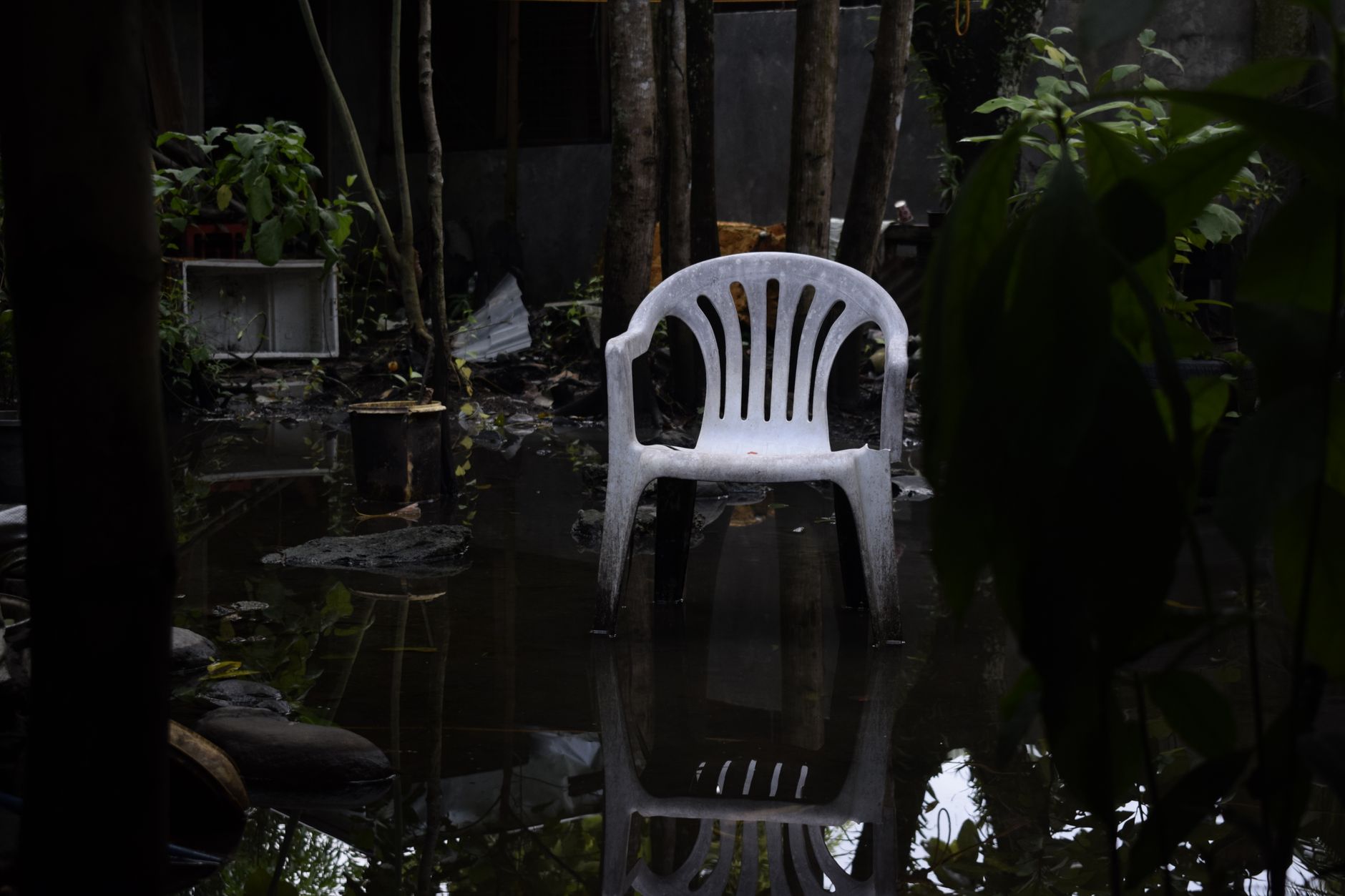
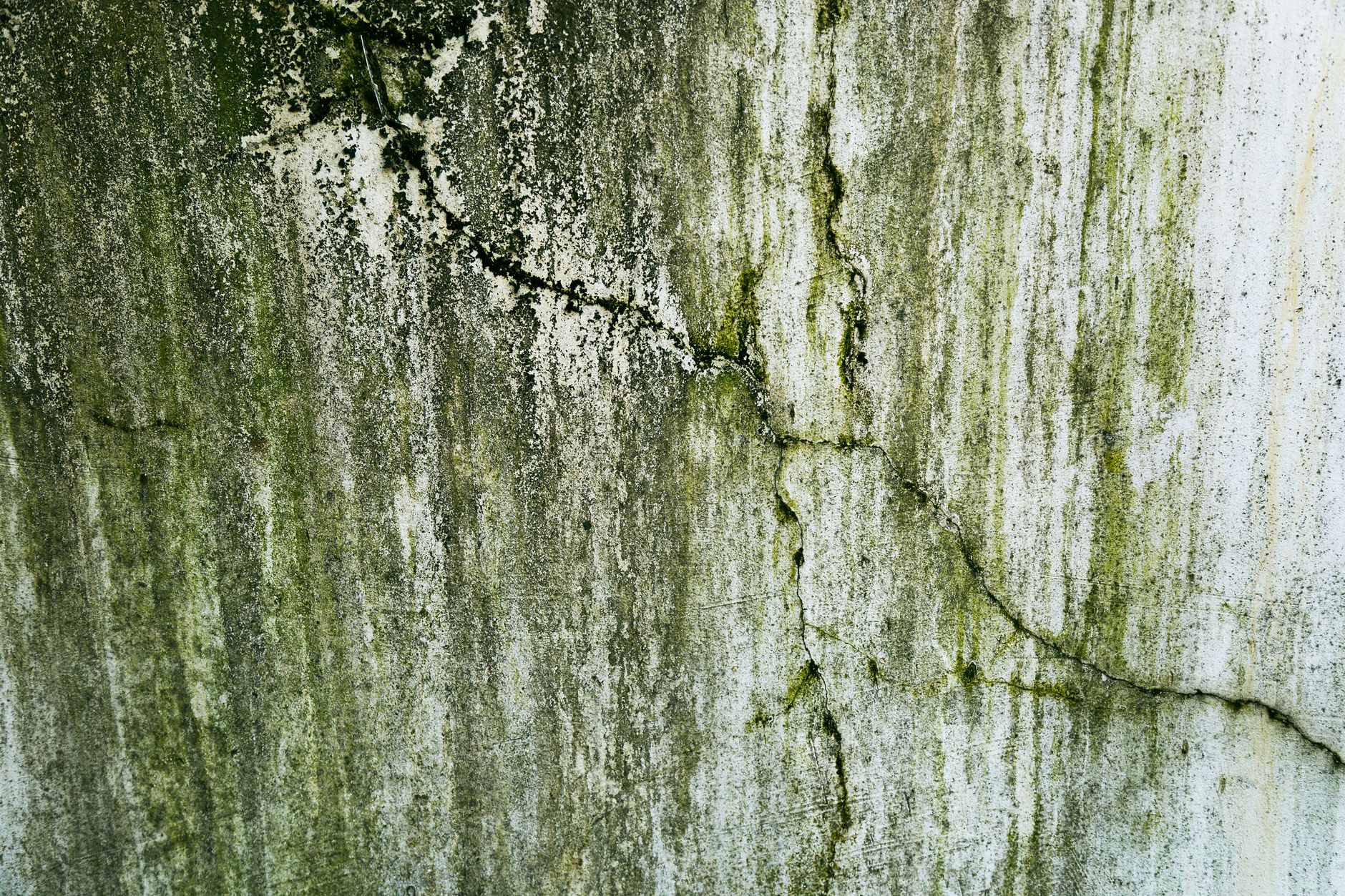
Once the immediate floodwaters recede, the first step is to assess the damage. Take a careful look at your property, noting areas that have been affected by water. Check for standing water in your home, as well as any damp spots on walls, ceilings, and floors. Pay special attention to hidden areas such as behind appliances, in closets, and under sinks where moisture can linger and create an ideal environment for mold.
Immediate Steps to Take
After ensuring your safety and the safety of your loved ones, your next steps should focus on minimizing moisture and preventing mold growth:
- Remove Water: If it's safe to do so, begin removing any standing water. Use pumps, wet/dry vacuums, or buckets to get rid of excess water.
- Dry Out Your Home: Open windows and doors to promote airflow. Use fans and dehumidifiers to help dry out the space. Ideally, you want to achieve a relative humidity level below 60%.
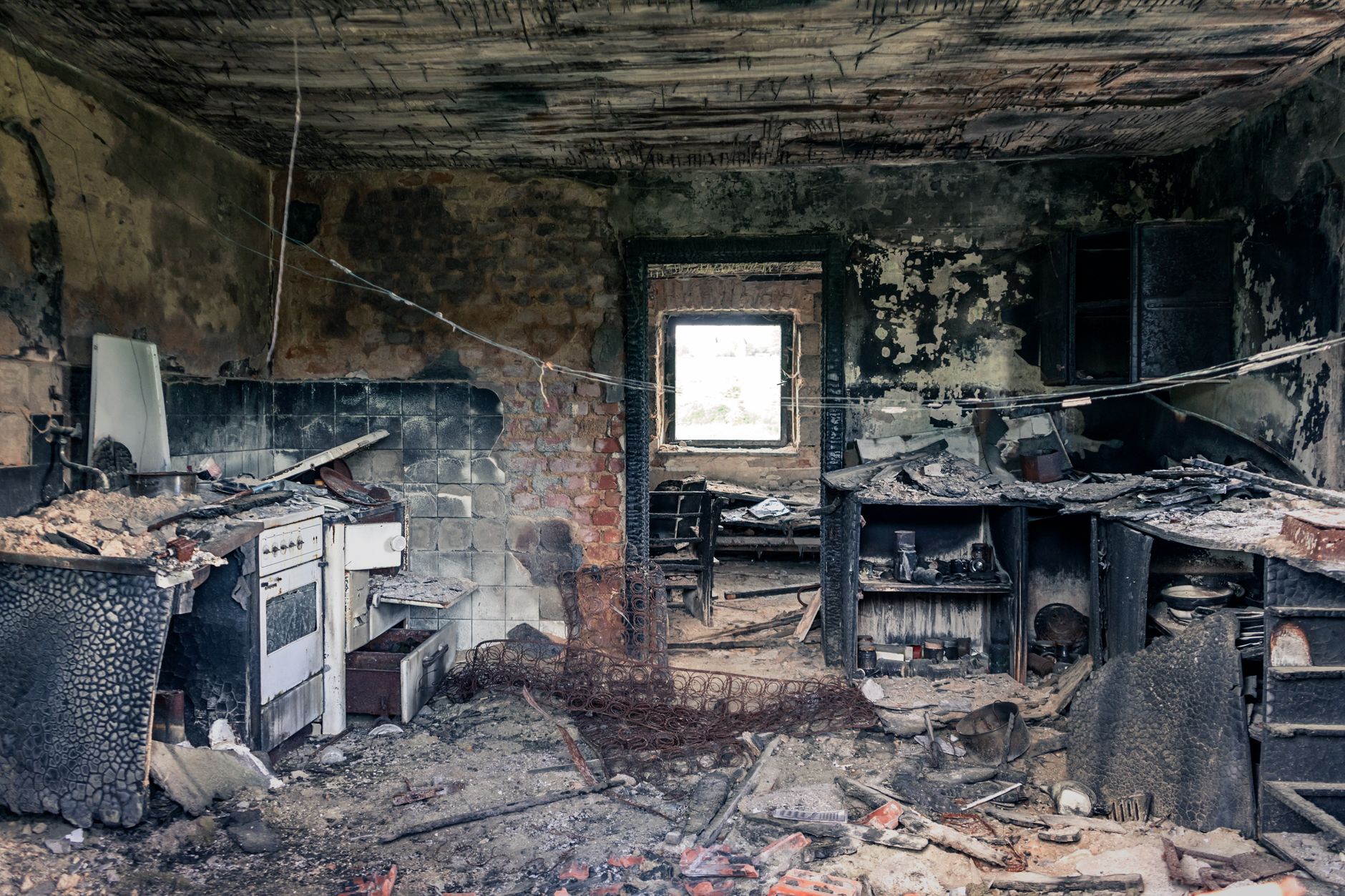
- Inspect and Remove Damaged Materials: Look for wet carpets, drywall, and insulation. These materials often need to be removed and discarded to prevent mold growth.
It’s important to document any damage for your insurance claims. Take photos and keep records of the items you are discarding.
When to Call Professionals
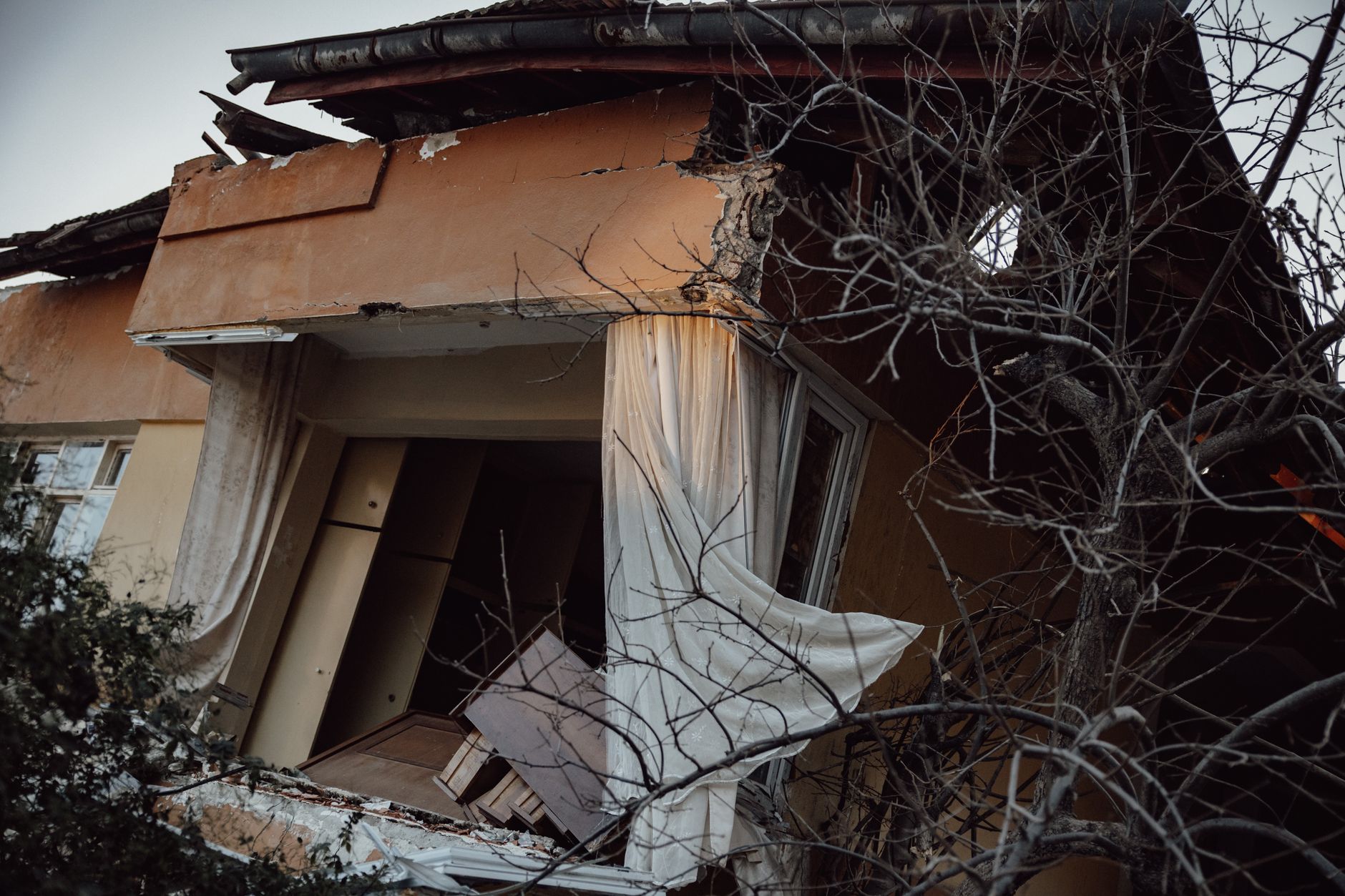
In many cases, the extent of the damage may require professional help. If you notice significant water damage, structural issues, or if mold is already starting to appear, it may be time to contact a mitigation contractor. Professionals have the necessary tools and expertise to handle water damage and mold remediation safely and effectively.
For example, if you find yourself overwhelmed by the situation, consider reaching out to Broward Restoration Pros for assistance. Their expertise can ease your stress and ensure that your home is restored to a safe and healthy condition. A professional service can manage the remediation process, ensuring that all mold is removed and preventing future growth.
Additionally, consider the plumbing situation in your home. If the flood was caused by plumbing issues, it is crucial to have these addressed to prevent future incidents. You might find it helpful to consult Broward Plumbing Pros for any plumbing repairs needed after the flooding.
Mold Prevention Strategies
Once the immediate threat is managed, it’s important to implement strategies to prevent mold from returning. This includes:
- Regularly inspecting your home for leaks and water damage.
- Maintaining low humidity levels throughout your home.
- Using mold-resistant products in areas prone to moisture, such as bathrooms and kitchens.
Moreover, consider utilizing antimicrobial treatments in areas that are susceptible to mold. These products can help inhibit future growth and keep your home safe and healthy.
Final Thoughts
Managing mold risks after a flood in Broward requires prompt action and careful attention to detail. By following these steps, you can significantly reduce the chances of mold growth in your home. Remember, if you feel overwhelmed, it’s always best to consult with professionals who can guide you through the restoration process. For further insights on managing plumbing during floods, check out this informative article on Broward Plumbing Pros’ blog. Taking these proactive measures can help ensure that your home remains a safe haven, even after a disaster.