The Critical Role Of Moisture Control In Fire Damage Restoration
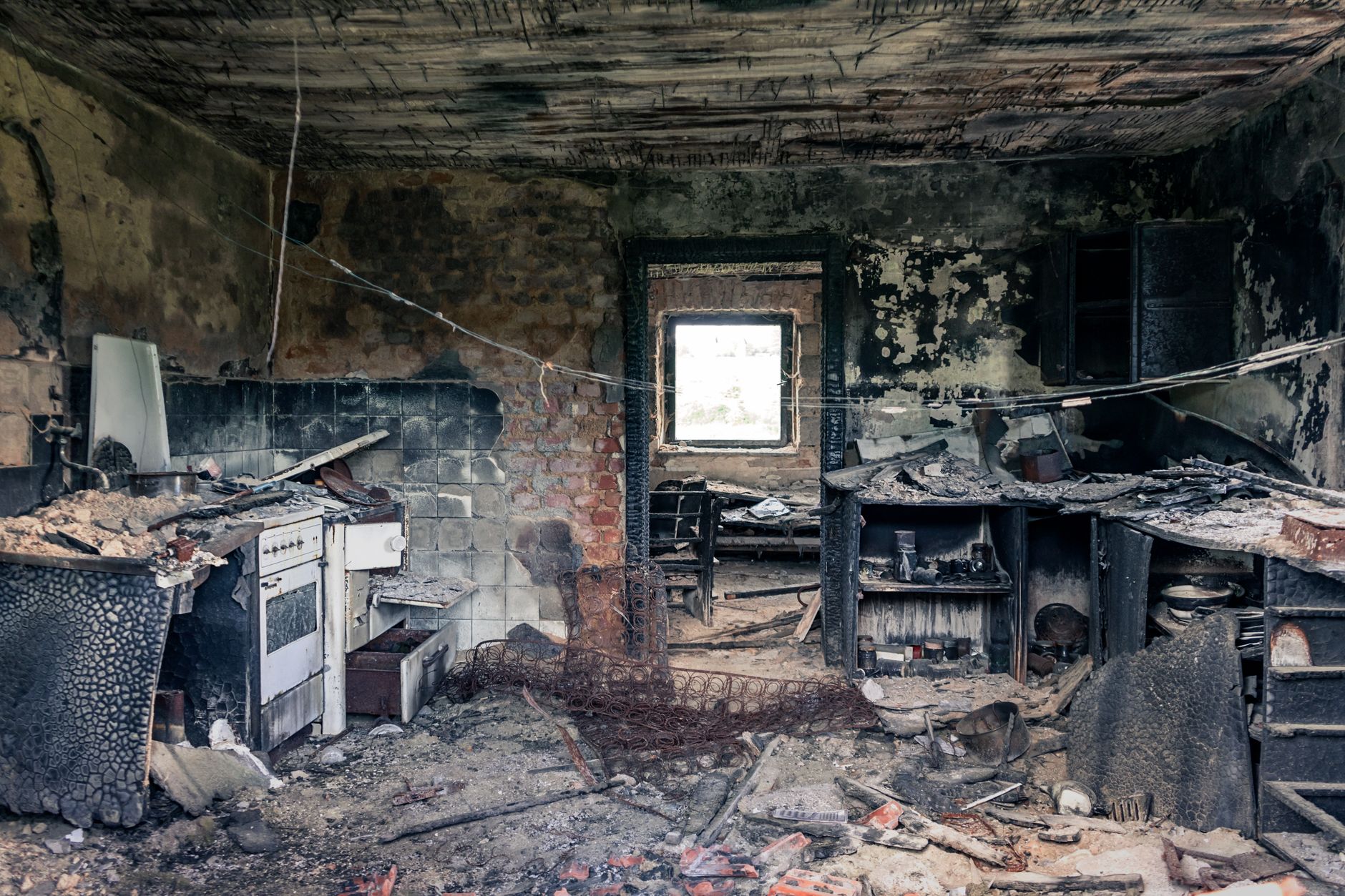
When a fire strikes, the immediate concern is often the flames and smoke, but what many homeowners overlook is the significant threat posed by moisture during the restoration process. After extinguishing the fire, the water used to put it out can lead to further complications, including mold growth and structural damage. It’s crucial to understand why moisture control is vital in fire damage restoration and how to effectively manage it.
Imagine returning to your home after a fire, only to discover that the water left behind has created a new set of problems. Damp walls, soaked carpets, and lingering odors can become overwhelming. Moisture, if not addressed promptly and properly, can lead to mold infestation, which poses health risks, and can also compromise the structural integrity of your home.
Understanding Fire Damage and Moisture
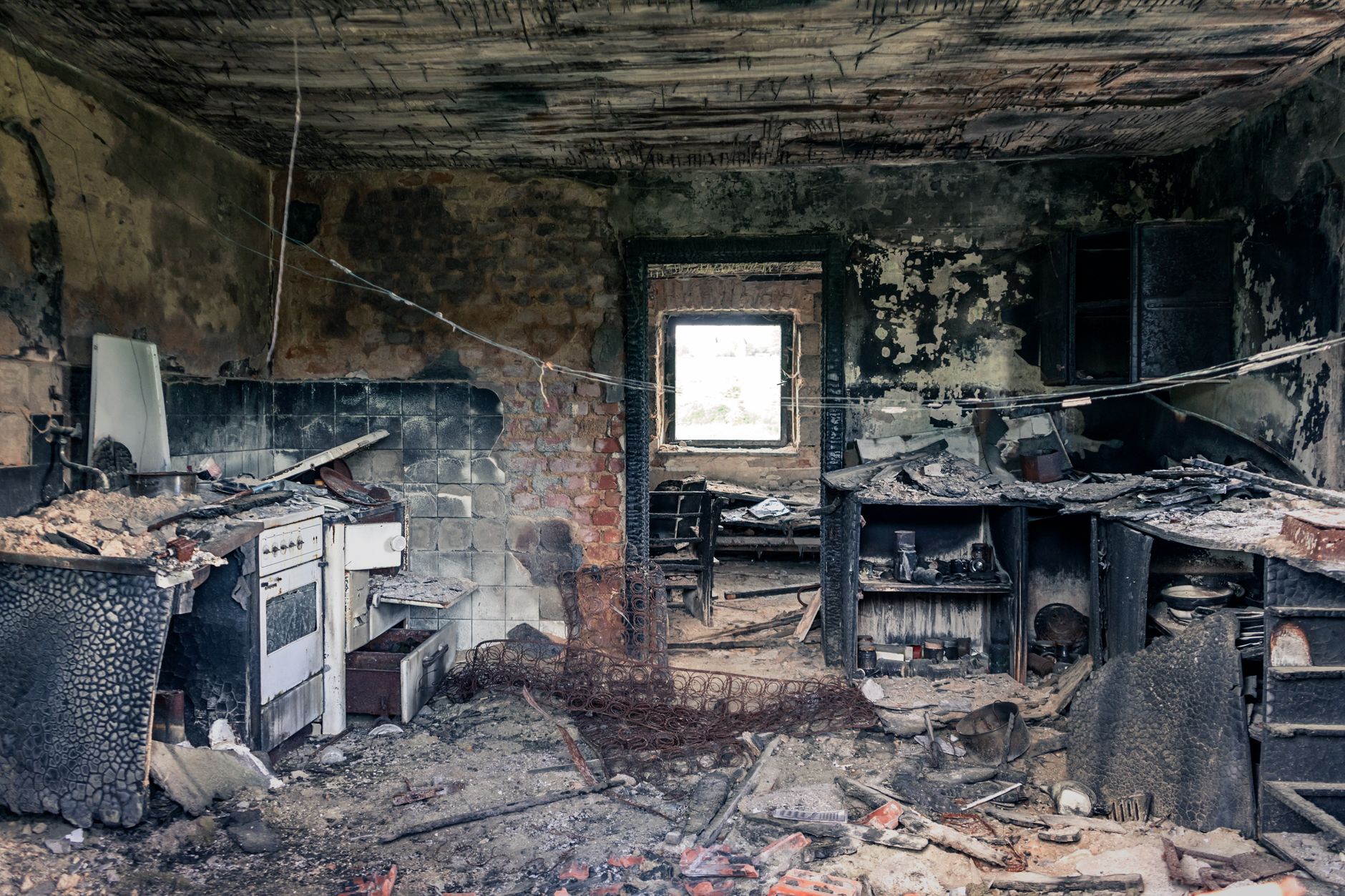
Fire damage typically involves not only the destruction caused by flames but also smoke damage and the water used during firefighting efforts. Once the flames are extinguished, the focus shifts to drying out the affected areas to prevent secondary damage. This is where moisture control becomes a critical component of the restoration process.
Moisture can infiltrate various materials in your home, including drywall, wood, and insulation, creating an environment conducive to mold growth. Mold can develop within 24 to 48 hours after water exposure, making swift action essential. Additionally, persistent moisture can lead to rot and decay, further threatening the safety and stability of your home.
Steps for Effective Moisture Control
To mitigate moisture-related issues after a fire, consider the following steps:
- Assess the Damage: After a fire, inspect the property to determine the extent of water damage. Identifying areas with high moisture levels is crucial.
- Remove Excess Water: Utilize pumps and wet vacuums to remove standing water. This reduces humidity and helps start the drying process.
- Dry Out Affected Areas: Use fans, dehumidifiers, and heaters to facilitate drying. Ensure proper ventilation to promote airflow.
- Check for Mold: Regularly inspect areas for signs of mold growth. If detected, it’s essential to address it immediately with professional help.
- Repair and Restore: Once the area is dry, repairs can begin. This includes replacing damaged materials and treating surfaces to prevent future mold growth.
By taking these steps, homeowners can significantly reduce the risk of long-term damage caused by excess moisture.

When to Call a Professional
While some homeowners may feel equipped to handle minor moisture issues, it’s advisable to consult professionals for extensive damage. Restoration experts have the necessary tools and expertise to effectively manage moisture control. They can perform thorough assessments, utilize specialized equipment, and implement remediation techniques to ensure your home is safe and secure.
In addition to fire damage restoration, our team at Broward Restoration Pros specializes in 24-hour water damage restoration. We understand the unique challenges presented by water damage following a fire and are committed to restoring your home to its pre-loss condition.
Understanding Insurance and Moisture Control
It’s also important to be aware of your insurance coverage when dealing with fire and water damage. Many policies cover fire damage but may have specific clauses regarding water damage and mold remediation. Consulting with your insurance agent can clarify what steps you need to take to ensure coverage for restoration efforts.
For more information on the types of coverage available, I recommend visiting our partner site, Broward Plumbing Pros, where they offer valuable insights into managing home issues related to plumbing and drainage that can prevent further damage.
Conclusion
In conclusion, moisture control is a critical element of fire damage restoration. By understanding the implications of moisture and taking proactive measures, homeowners can avoid additional complications and ensure a safer living environment. Remember, when in doubt, don’t hesitate to reach out to professionals who can provide the expertise needed for effective restoration. With the right approach, you can overcome the challenges posed by fire and moisture, reclaiming your home in the process.
For additional resources on restoration and prevention, consider checking out this informative blog post on our partner site about drainage systems: Understanding The Role Of Drainage Systems In Preventing Flood Damage In Broward Homes.