Navigating The Challenges Of Post-Storm Mold Remediation In Broward Homes
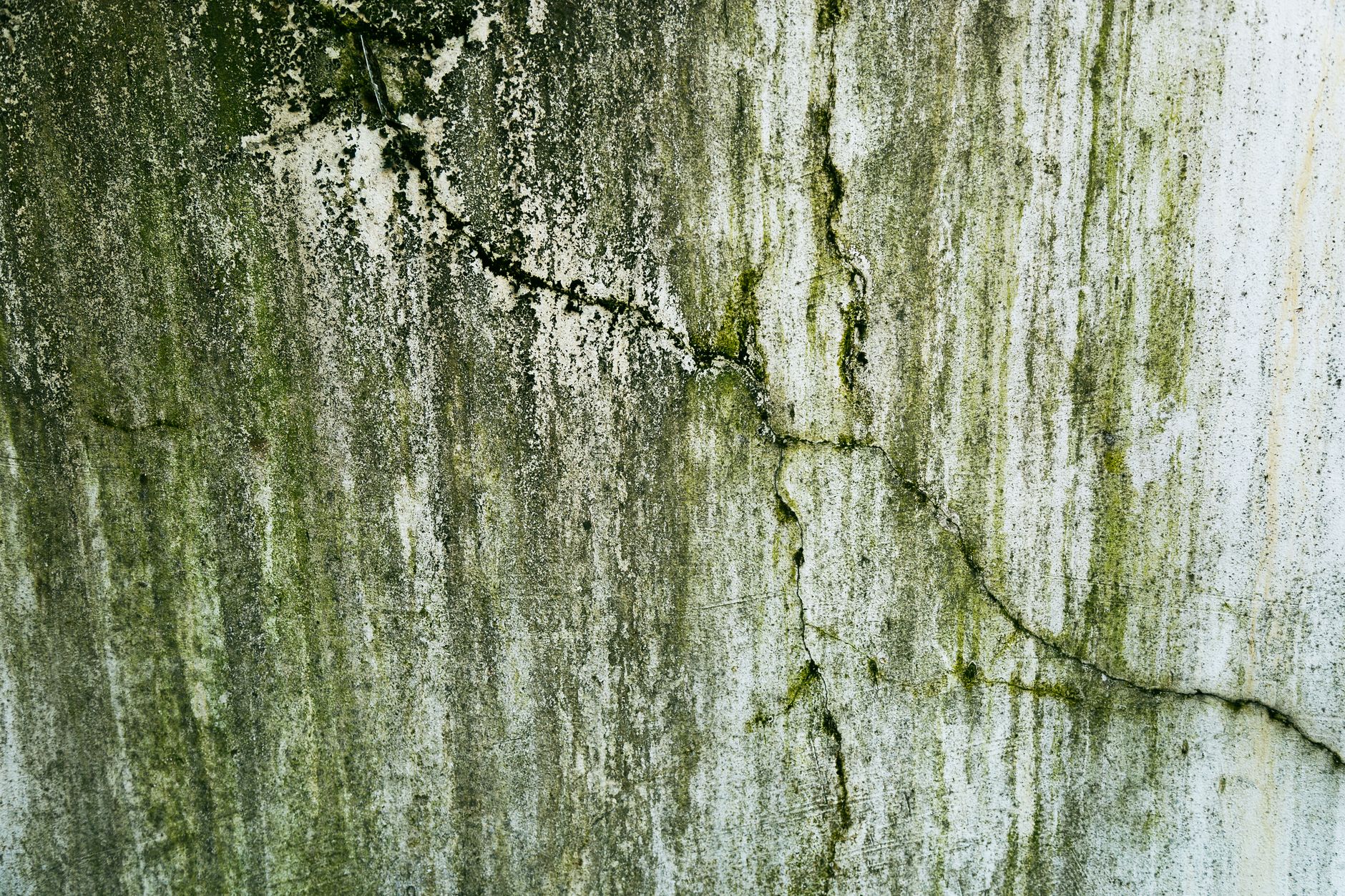
In the aftermath of a storm, homeowners in Broward County often face an insidious issue: mold growth. The combination of humidity and water intrusion creates a perfect storm for mold spores to thrive, leading to potential health risks and property damage. As a homeowner, understanding the challenges of post-storm mold remediation is crucial to safeguarding your home and well-being.
Understanding Mold Growth
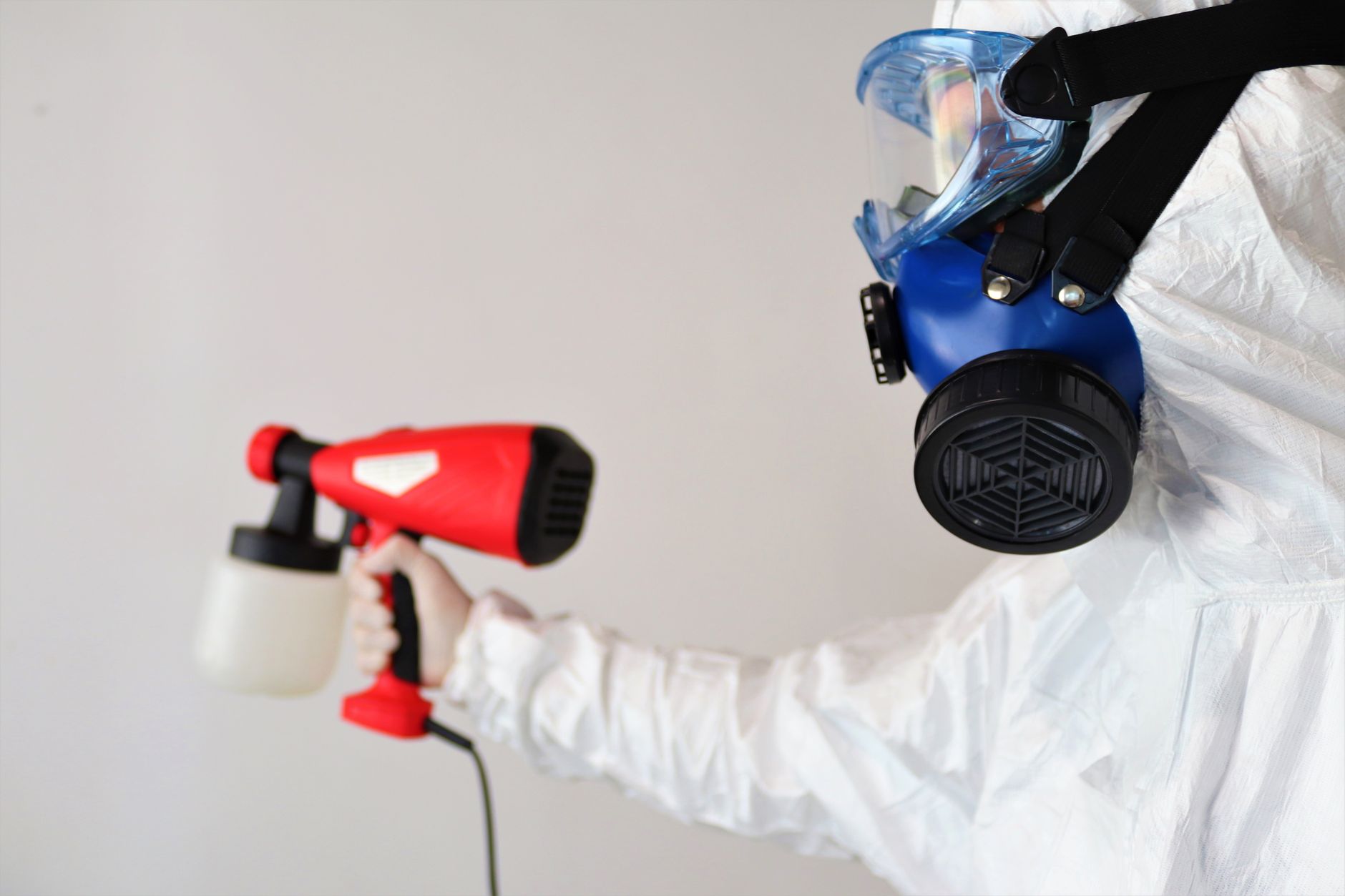
Mold is a type of fungus that can grow on various surfaces, particularly in damp environments. After a storm, water can seep into walls, ceilings, and floors, providing the moisture mold needs to flourish. Common areas for mold growth include:
- Basements
- Attics
- Bathrooms
- Under sinks
Even small amounts of water can lead to substantial mold growth if not addressed promptly. Therefore, it is essential to act quickly after a storm to prevent long-term damage.
Identifying Mold Issues
Homeowners should be vigilant about identifying mold issues following a storm. Look for signs such as:
- Musty odors
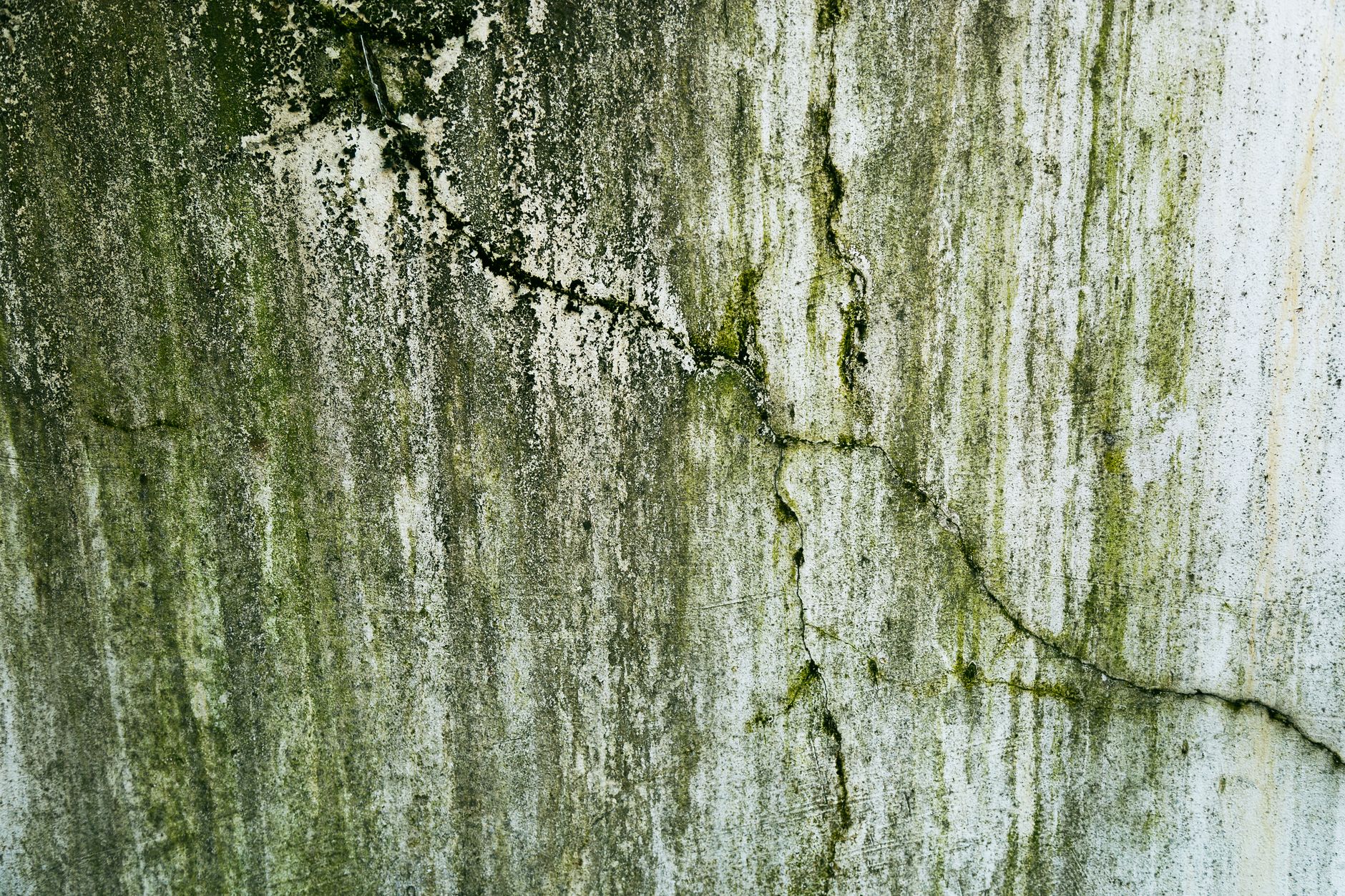
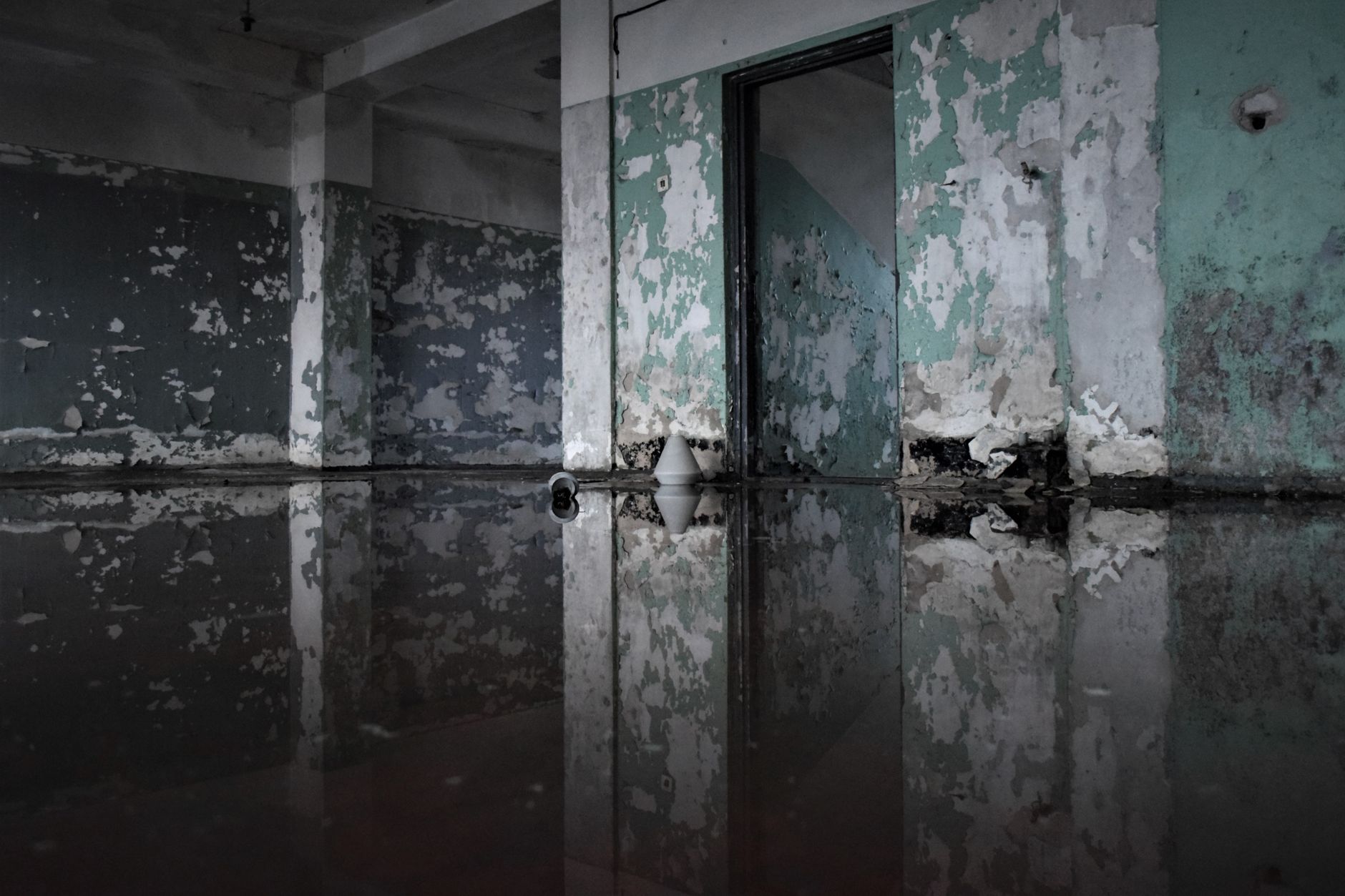
- Visible mold patches (green, black, or white)
- Water stains on walls or ceilings
- Increased allergy symptoms among occupants
If you notice any of these signs, it is crucial to take action immediately. Ignoring mold growth can lead to extensive damage and health risks, especially for those with respiratory issues.
Steps for Mold Remediation
Once you have identified mold in your home, the next step is remediation. Here’s a practical guide on how to navigate the process:
1. Assess the Damage
Begin by thoroughly assessing the extent of mold growth and water damage. This may require removing drywall or flooring to inspect underlying structures. It’s essential to document the damage for insurance purposes.
2. Contain the Area
Prevent mold spores from spreading to other areas of your home by sealing off the affected space. You can use plastic sheeting to contain the area and ensure proper ventilation.
3. Remove Affected Materials
Some materials, such as drywall or carpeting, may be too damaged to salvage and will need to be removed. Ensure that you wear protective gear, including gloves and masks, to prevent exposure to mold spores.
4. Clean and Disinfect
For less severe cases, cleaning with a mixture of water and detergent may suffice. However, for more extensive mold, consider using antimicrobial treatments to ensure all mold spores are eradicated.
5. Dry the Area
After cleaning, it is crucial to dry the area thoroughly. Use fans and dehumidifiers to promote air circulation and reduce moisture levels. This step is vital to prevent mold from returning.
6. Monitor for Recurrence
After remediation, keep an eye on the affected areas for any signs of mold returning. Regular inspections can help catch any new growth early, allowing for prompt action.
When to Call a Professional
While some mold issues can be handled by homeowners, significant infestations or those affecting large areas of your home may require professional remediation. Experts will have the necessary tools and experience to handle severe mold issues safely and effectively.
If you find yourself facing extensive mold damage, consider reaching out to professionals specializing in black mold removal or other related services. They can provide a thorough assessment and remediation plan tailored to your situation.
Furthermore, if you suspect that your mold issues are related to plumbing problems, it may be beneficial to consult with a plumbing expert. For example, Broward Plumbing Pros can help identify any hidden leaks contributing to your mold problem.
Insurance Considerations
After a storm, documenting any damage and contacting your insurance provider is essential. Understand your policy’s coverage for mold damage and remediation, as many policies have specific clauses regarding mold. Having thorough documentation will support your claim and ensure you receive the necessary assistance.
Conclusion
Navigating post-storm mold remediation can be overwhelming, but understanding the process and knowing when to seek help can make it more manageable. Always prioritize safety, and don’t hesitate to call in professionals when needed. For more insights on how plumbing issues can lead to mold growth, check out this informative article: The Hidden Connection Between Plumbing Issues And Mold Growth In Broward Homes. By staying proactive, you can protect your home and ensure a safe environment for you and your family.