The Comprehensive Guide To Post-Storm Mold Prevention In Broward Homes
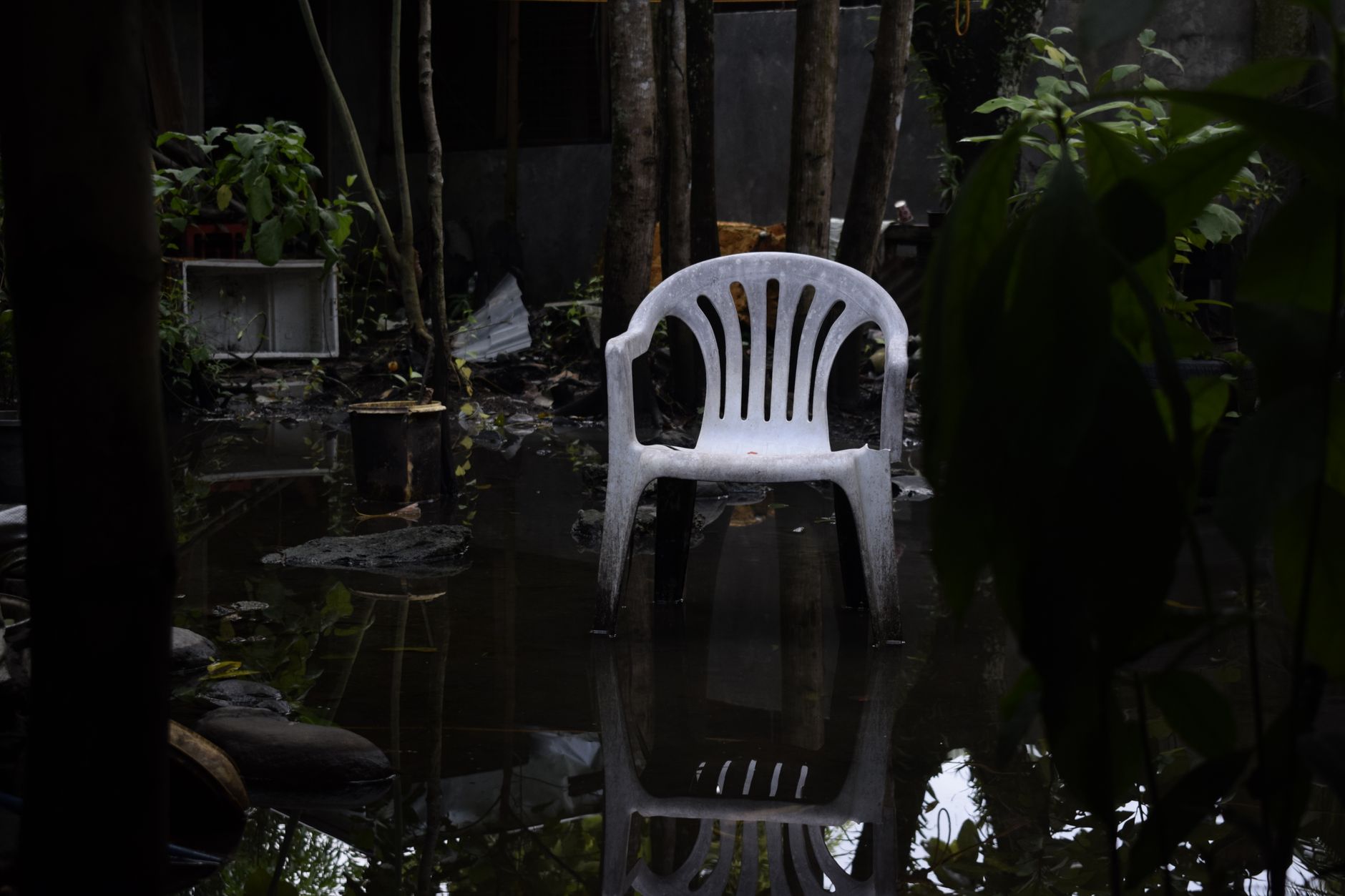
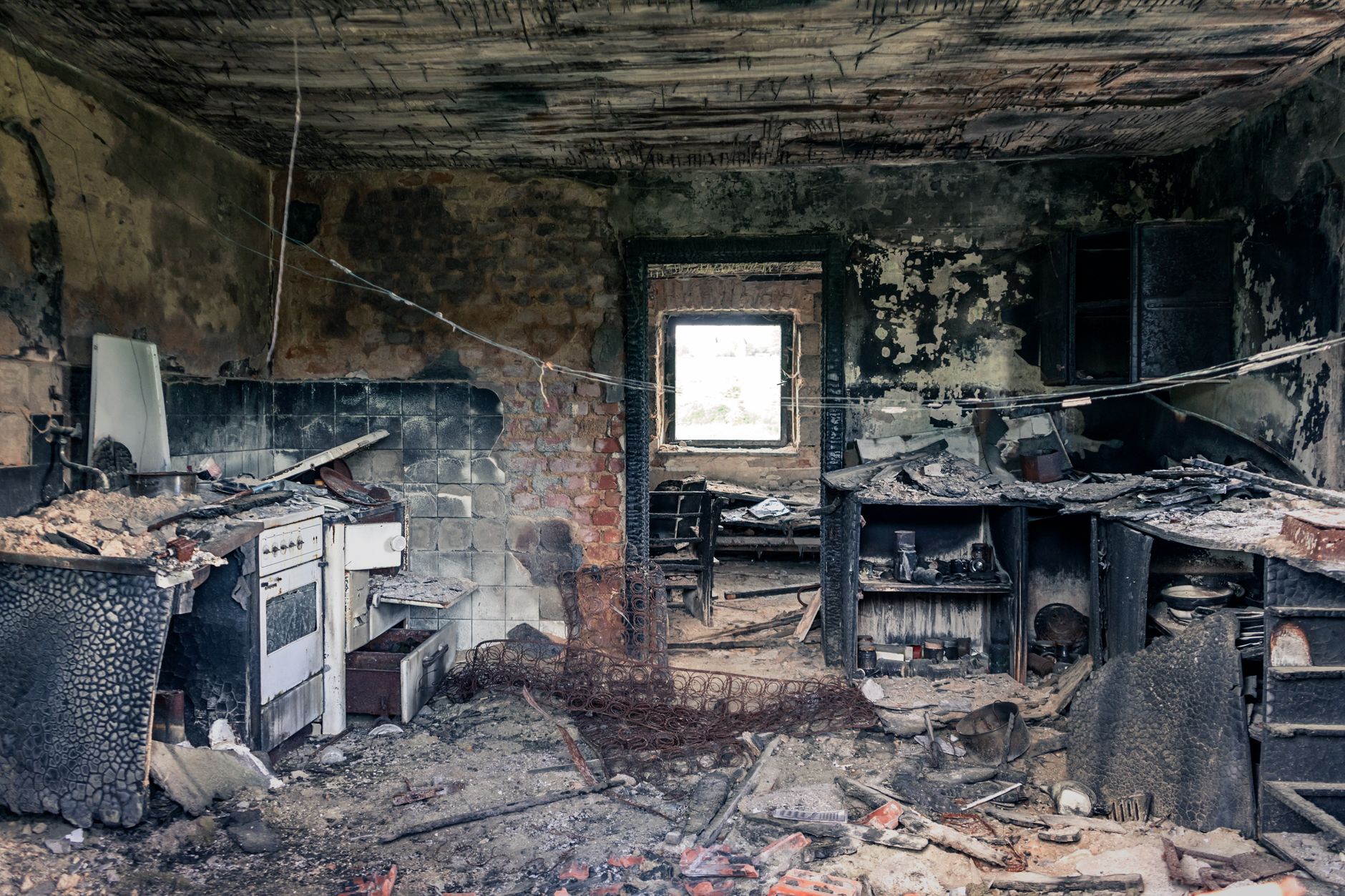
After a storm, your home can be vulnerable to a host of issues, one of the most insidious being mold growth. Mold thrives in damp, warm environments, making post-storm conditions particularly conducive to its development. As a homeowner in Broward, you may feel overwhelmed by the prospect of mold invading your space, but with proactive measures, you can safeguard your home.
Understanding the nature of mold is crucial. Mold spores are microscopic and can easily enter your home through open windows, doors, or even on clothing. Once inside, all it takes is moisture and a suitable surface for them to settle and grow. After a storm, water intrusion from leaks or flooding can create the perfect habitat for mold.

Immediate Steps to Take After a Storm
The first step in mold prevention is to address any water damage swiftly. Here’s what you can do:
- Inspect your home for leaks or standing water.
- Remove any wet materials, especially porous items like carpets and drywall.
- Use fans and dehumidifiers to dry out the affected areas.
Time is of the essence; mold can begin to grow within 24-48 hours in the right conditions. If you suspect significant water damage, it’s wise to contact a professional restoration service such as Broward Restoration Pros to assess and remediate the situation.
Long-Term Mold Prevention Strategies
Once the immediate threat has been addressed, you can implement long-term strategies to prevent mold from returning. Consider the following:
1. Control Indoor Humidity
Mold loves humidity. Aim to keep your home's humidity level between 30% and 50%. You can monitor this with a hygrometer and use dehumidifiers in particularly damp areas like basements or bathrooms.

2. Proper Ventilation
Ensure that your home is well-ventilated. Use exhaust fans in kitchens and bathrooms, and consider installing vents in attics and crawl spaces to promote airflow.
3. Regular Maintenance
Inspect your roof and gutters regularly, especially after storms, to prevent water from pooling. Also, check for signs of leaks around windows and doors, as well as plumbing fixtures.
4. Mold-Resistant Products
When renovating or repairing, consider using mold-resistant materials, such as mold-resistant drywall and paints, especially in areas prone to moisture.
5. Antimicrobial Treatments
Applying antimicrobial treatments to areas that are prone to moisture can also help inhibit mold growth. This is especially useful in areas like bathrooms and kitchens.
If you discover mold growth, it’s critical to act quickly. Small patches can often be cleaned with soap and water, but larger infestations may require professional intervention. Services like bathroom mold removal or air duct mold removal can help ensure that mold is thoroughly addressed.
When to Call Professionals
If your home has suffered extensive water damage or if you notice a persistent mold problem despite your efforts, it’s time to call in the experts. Professionals can provide a thorough assessment and remediation plan tailored to your specific situation. For instance, if you experience an AC leak, you might consider contacting Broward Plumbing Pros for immediate plumbing assistance.
Conclusion
Dealing with post-storm mold prevention may seem daunting, but with diligence and the right strategies, you can protect your Broward home. Stay vigilant, maintain your living spaces, and don’t hesitate to reach out for help when needed. Remember, your home is your sanctuary—keeping it mold-free is essential to maintaining a healthy and safe environment for you and your family. For more insights on home care, check out this helpful article on eco-friendly plumbing solutions that can complement your mold prevention efforts.