The Essential Guide To Preparing For Mold Growth After Storm Damage In Broward
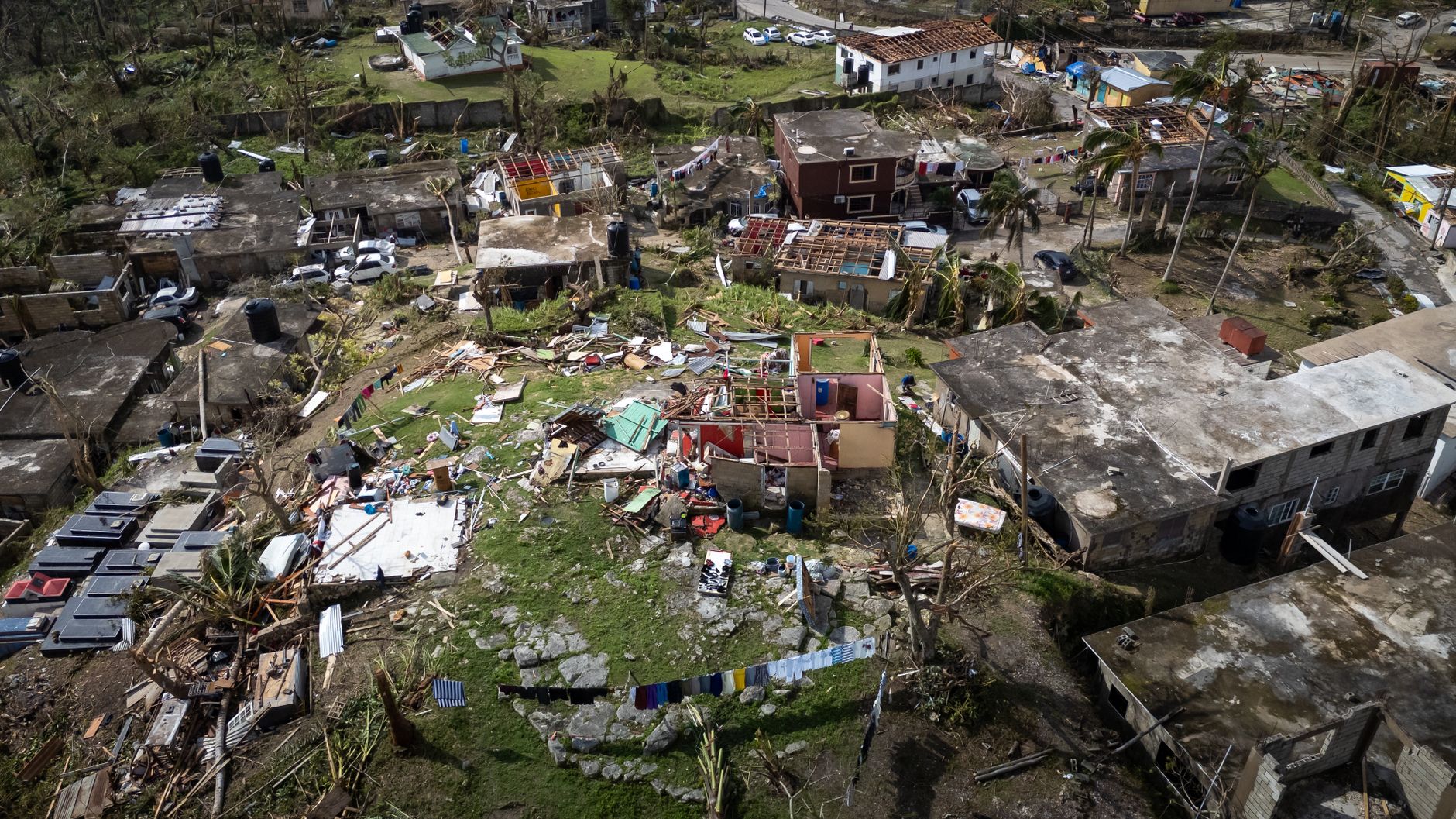
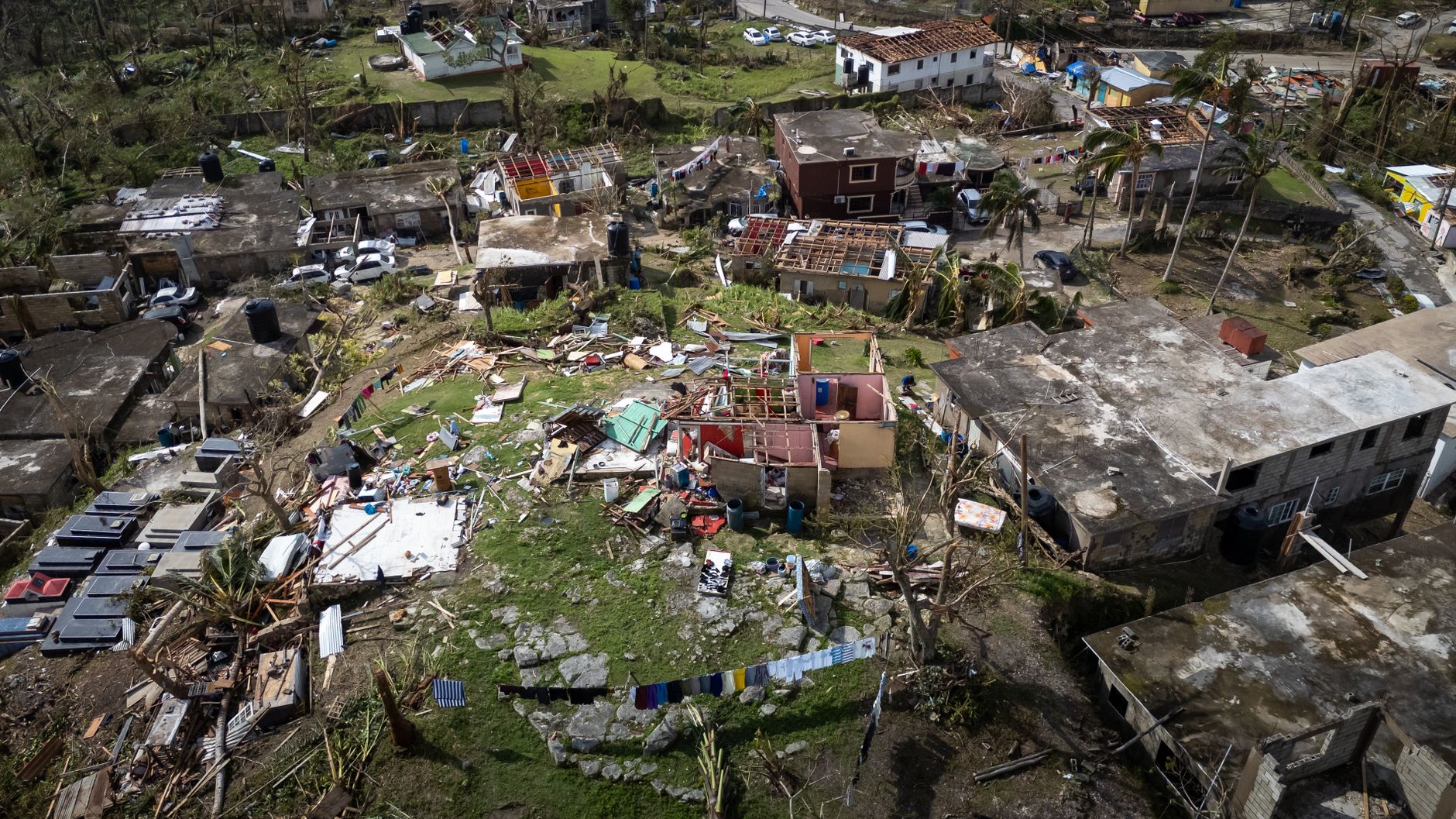
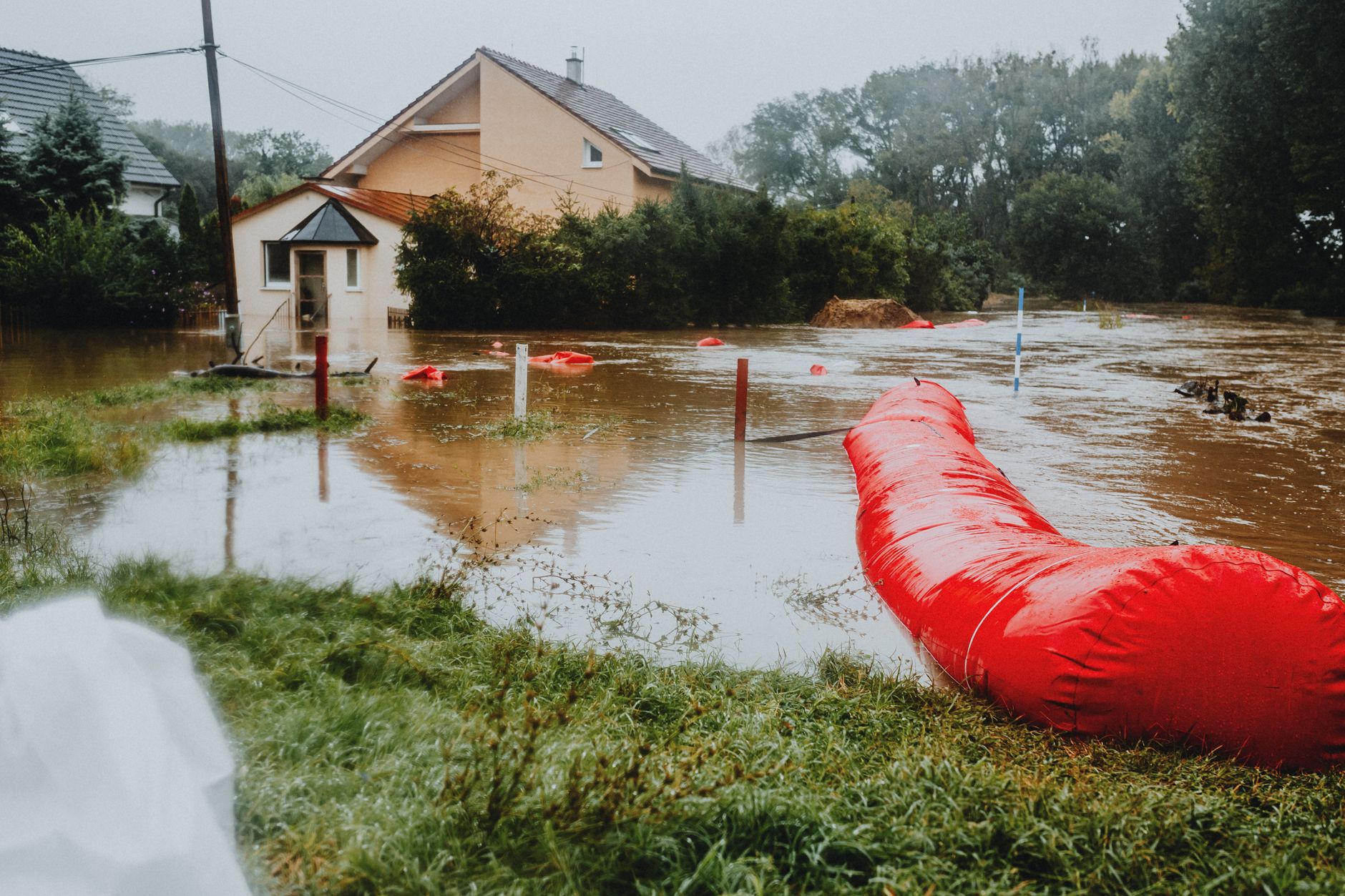
After a storm, homeowners in Broward County often face a daunting challenge: the potential for mold growth in their homes. Storm damage can leave behind moisture that creates the perfect environment for mold to thrive. Understanding how to prepare for mold growth after such events is essential for safeguarding your home and health.
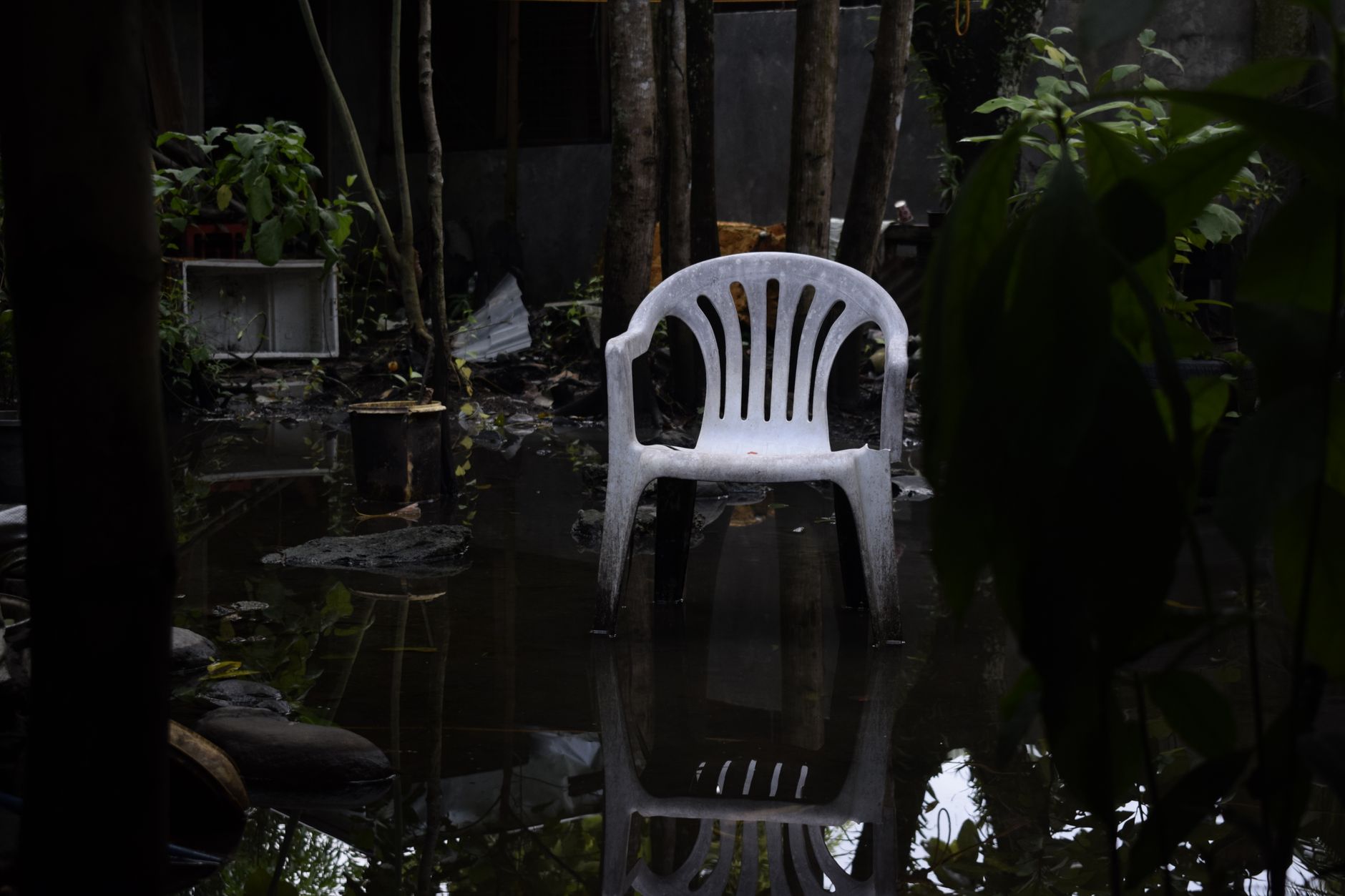
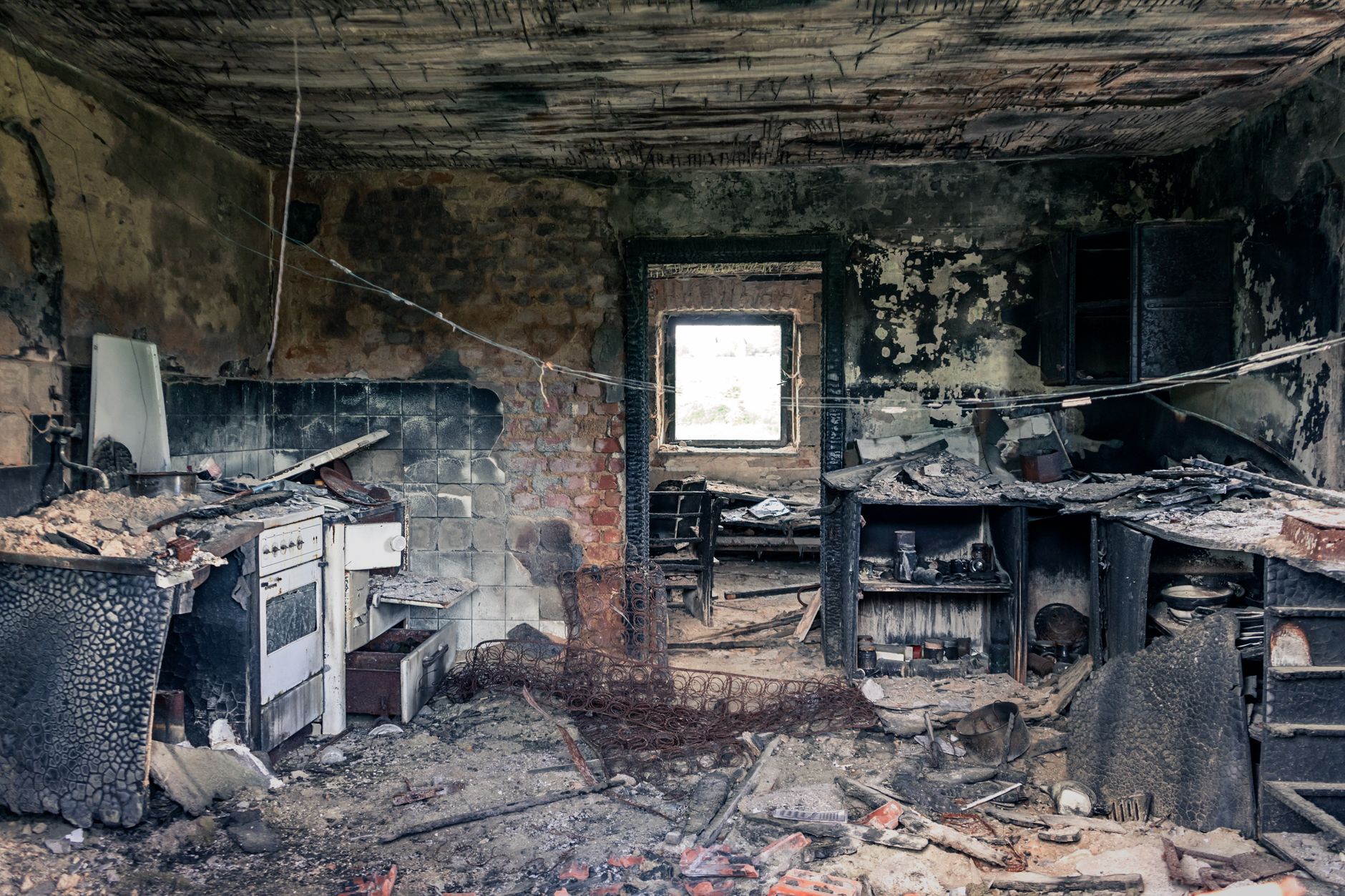
Imagine returning home after a heavy storm to find waterlogged carpets, damp walls, or worse—standing water in your basement. The emotional toll of such damage can be overwhelming, but taking proactive measures can help mitigate the risk of mold growth.
Understanding Mold Growth
Mold spores are present in the air around us. They only need three things to thrive: moisture, a food source, and the right temperature. After a storm, the excess moisture can seep into walls, floors, and hidden spaces, creating ideal conditions for mold to grow. Knowing how to identify potential problem areas is crucial in preventing mold infestations.
Identifying At-Risk Areas
Focus on the following areas in your home that are particularly vulnerable to mold growth:

- Basements and crawl spaces
- Bathrooms
- Attics
- Behind appliances and fixtures
Each of these areas can retain moisture after a storm, leading to mold growth if not properly addressed.
Steps to Prepare for Mold Growth
Here are several steps you can take to reduce the risk of mold in your home:
- Inspect for Water Damage: After a storm, inspect your home for any signs of water damage. Look for water stains, peeling paint, or damp patches.
- Dry Out Affected Areas: Use fans and dehumidifiers to dry any damp areas as quickly as possible. Aim to reduce humidity levels below 60%.
- Remove Wet Materials: Dispose of any soaked carpets, drywall, or insulation, as these materials can be breeding grounds for mold.
- Use Antimicrobial Treatments: Consider applying antimicrobial solutions to surfaces that have been wet to inhibit mold growth. Our antimicrobial treatment services can assist in this process.
Taking these steps can significantly lower the chances of mold establishing itself in your home after storm damage.
When to Call a Professional
If you discover extensive water damage or mold growth, it’s vital to call in restoration professionals. DIY efforts may not be sufficient to handle significant infestations. Our team at Broward Restoration Pros specializes in water damage restoration and can provide the expertise and equipment necessary to tackle the situation effectively.
Additionally, don’t hesitate to reach out to professionals for help with mold remediation. Trying to manage a severe mold issue on your own can lead to health risks and further damage to your property.
Insurance Considerations
After experiencing storm damage, it’s important to review your homeowner’s insurance policy. Many policies cover damage caused by storms, but mold coverage can vary widely. Be sure to document any damage and report it to your insurance provider as soon as possible. This documentation can be invaluable when filing a claim.
Conclusion
As a Broward homeowner, staying prepared for mold growth after a storm is crucial. By understanding the risks, taking preventive actions, and knowing when to call in the experts, you can protect your home and family. If you find yourself facing water damage or mold, consider reaching out to our team or visiting Broward Plumbing Pros for additional resources.
Keep your home safe and sound after the storm—your proactive measures now can save you from significant headaches down the line.