How To Recognize Water Damage Before It Becomes A Major Issue In Broward
Water damage can be a silent intruder in our homes, creeping in unnoticed until it becomes a significant problem. As a homeowner in Broward, understanding how to recognize the early signs of water damage can save you from costly repairs and extensive restoration efforts later on. This article will guide you through identifying potential water damage and provide practical steps to mitigate the situation before it spirals out of control.
Imagine returning home after a long day only to be greeted by a musty smell or damp spots on your walls. These can be alarming indicators of water damage, but how can you be sure? Water damage can manifest in various forms, from subtle stains to more severe structural issues. It’s essential to remain vigilant and proactive to protect your home.
Common Signs of Water Damage
Recognizing the signs of water damage early is critical. Look for the following indicators:
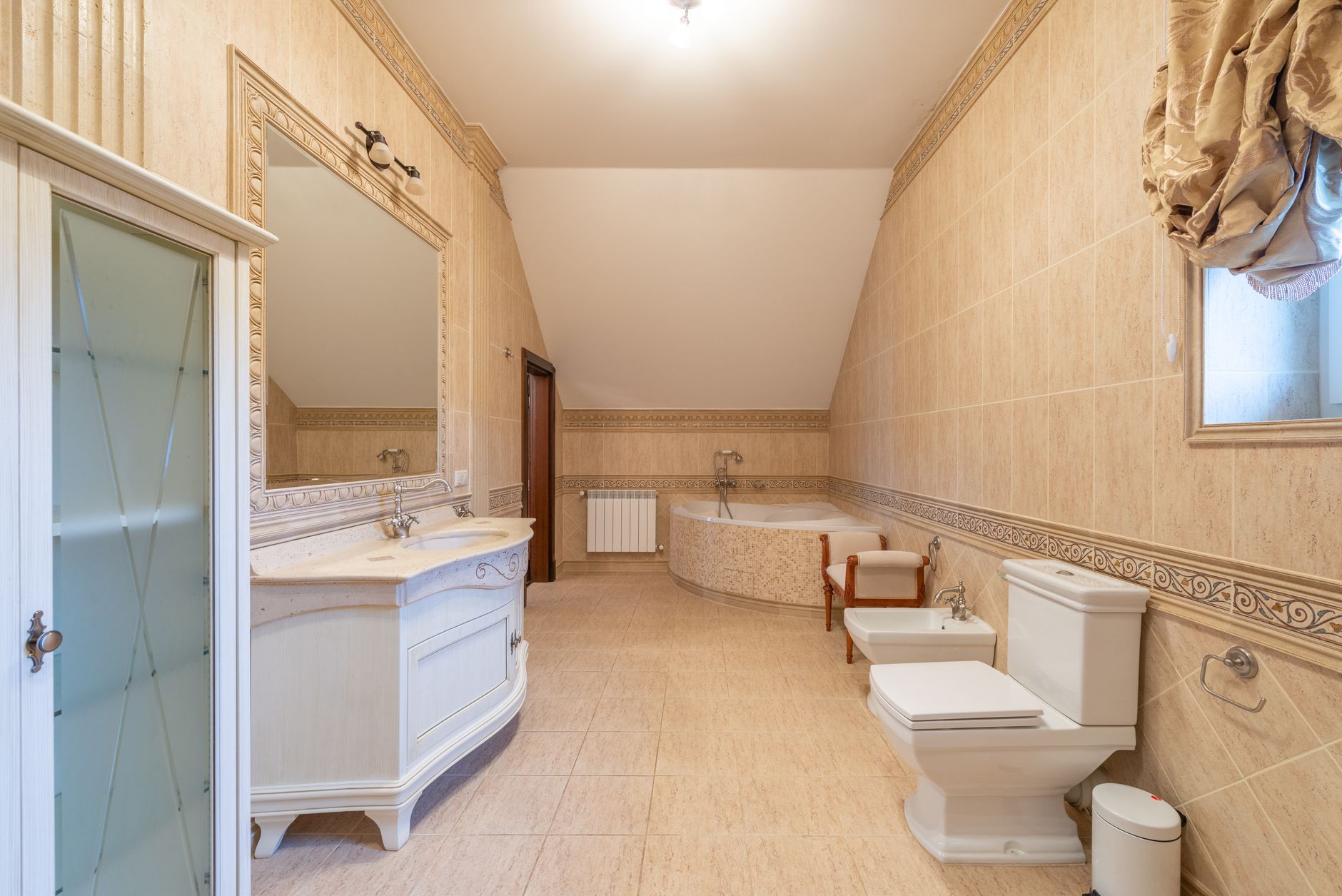
- Stains and discoloration: Yellow or brown stains on ceilings and walls can signify water intrusion.
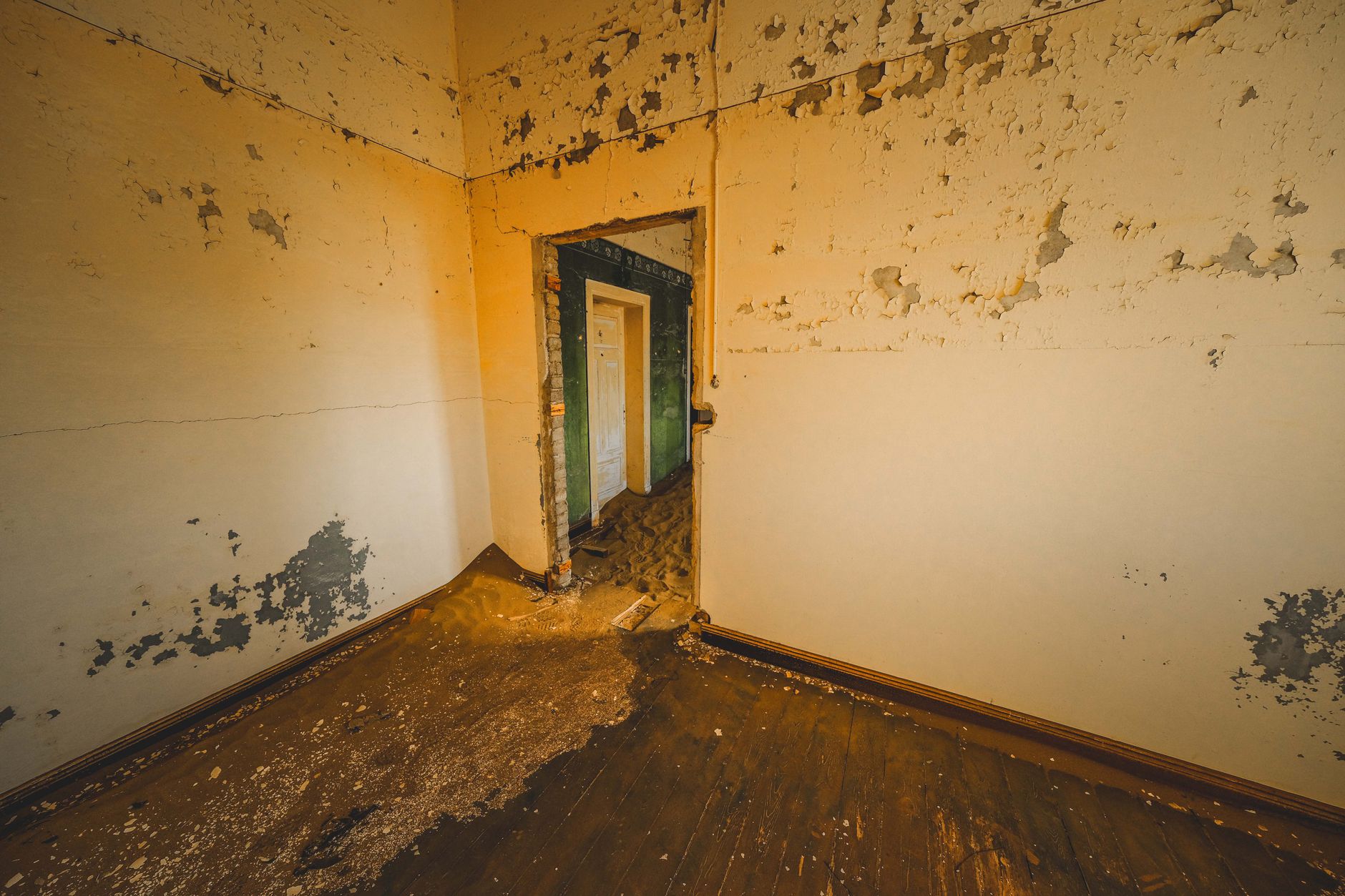
- Peeling paint or wallpaper: If you notice paint bubbling or wallpaper peeling, moisture may be trapped underneath.
- Mold growth: Mold can develop quickly in damp environments. If you see mold patches, it’s a clear sign of excess moisture.
- Musty odors: Unpleasant smells often accompany water damage, indicating mold or mildew.
- Warped flooring: If your floors feel uneven or warped, this could suggest water has seeped in.
These signs can occur in any part of your home, but they are especially common in areas like bathrooms, basements, and kitchens where water use is frequent.
Where to Look for Water Damage
Be thorough in your inspections. Pay close attention to the following areas:
- Basements and crawl spaces: These areas are prone to leaks and flooding, especially during heavy rains.
- Bathrooms: Check around sinks, toilets, and tubs for any signs of leaks or water pooling.
- Kitchen: Inspect under the sink and around appliances like dishwashers and refrigerators for water accumulation.
Additionally, consider the impact of your home’s plumbing system. Regular maintenance can prevent water damage caused by pipe leaks or failures. If you suspect plumbing issues, reach out to Broward Plumbing Pros for professional assessment.
When to Call a Restoration Professional
Identifying water damage is just the first step; knowing when to call a restoration professional is crucial. If you notice any signs of significant water damage, such as extensive mold growth, structural damage, or persistent dampness, it’s time to act. Restoration experts can assess the situation, provide the necessary mitigation, and help prevent future issues.
It’s important to document any water damage for insurance purposes. Take photographs and make notes of the impacted areas before starting any cleanup or repairs. This documentation can be invaluable when filing a claim.
Preventing Future Water Damage
Once you’ve addressed any existing water damage, consider proactive measures to prevent future issues. Here are a few tips:
- Regular inspections: Conduct routine checks of your plumbing and areas prone to water exposure.
- Seal cracks: Ensure that windows, doors, and foundation cracks are sealed to prevent water intrusion.
- Install proper drainage: Properly maintain gutters and downspouts to direct water away from your home.
By staying vigilant and addressing potential issues promptly, you can protect your home from the damaging effects of water.
For more information on identifying and addressing plumbing issues, consider reading this informative blog post on the Broward Plumbing Pros website.
In conclusion, recognizing water damage early can save you significant time, stress, and financial burden. Remain proactive in your inspections, keep an eye out for the warning signs, and don’t hesitate to seek professional help when needed. By doing so, you’re taking essential steps to ensure your home remains a safe and comfortable haven.