The Role Of Community Support In Post-Disaster Recovery In Broward
When disaster strikes, the impact can be devastating. From hurricanes to floods, the aftermath leaves communities grappling with the emotional and physical toll of recovery. In Broward County, the importance of community support in the post-disaster recovery process cannot be overstated. It’s not just about restoring buildings, but about rebuilding lives and fostering a spirit of resilience among residents.
Imagine waking up to find your neighborhood transformed by floodwaters, trees downed by high winds, and the overwhelming sense of loss that often accompanies such events. In these moments, it’s easy to feel isolated in your grief and uncertainty. However, it’s during these challenging times that community support can make all the difference. Neighbors helping neighbors, local organizations springing into action, and volunteers offering their time and resources can create a powerful network of recovery.
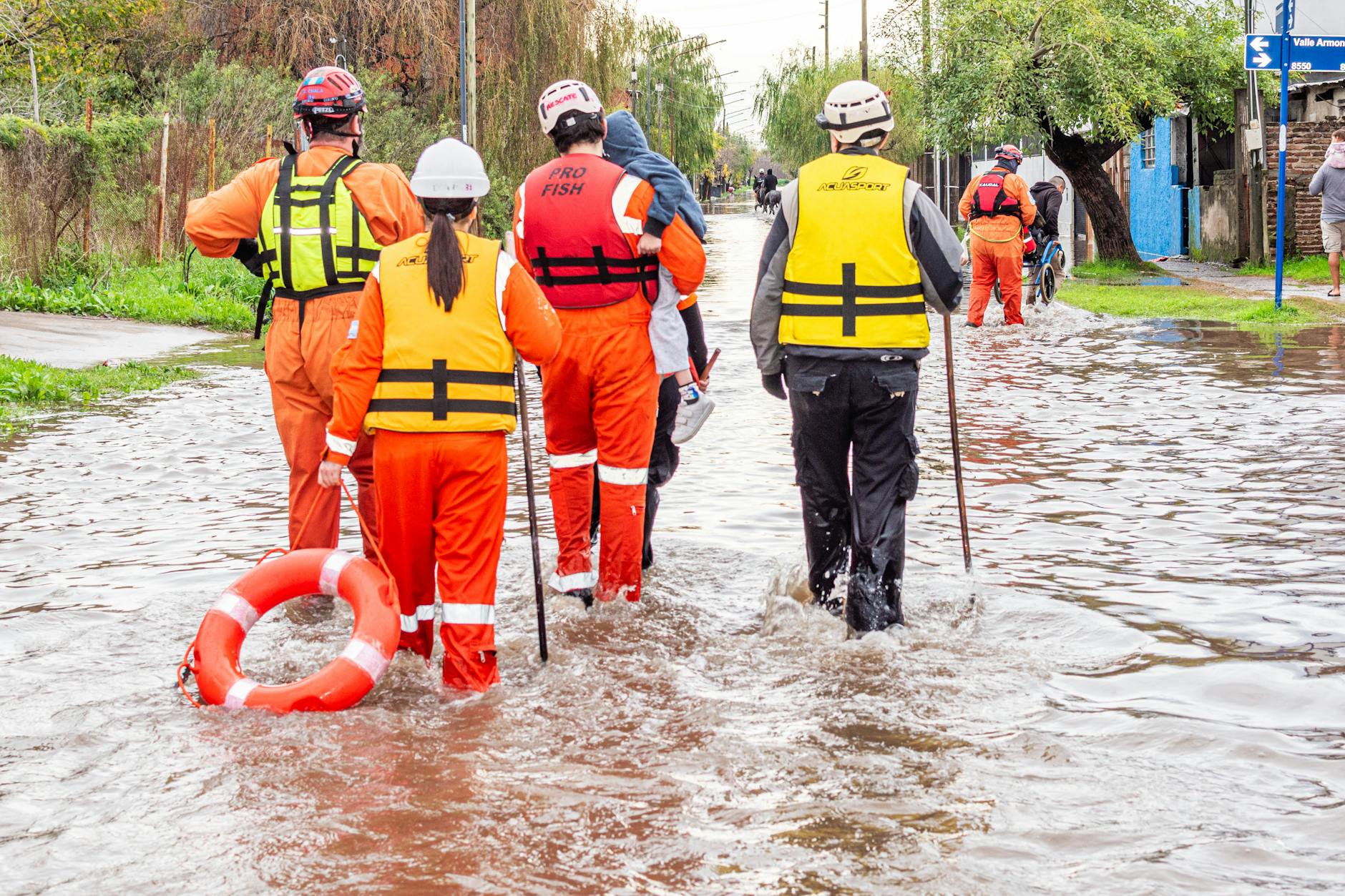
The Immediate Response: Coming Together
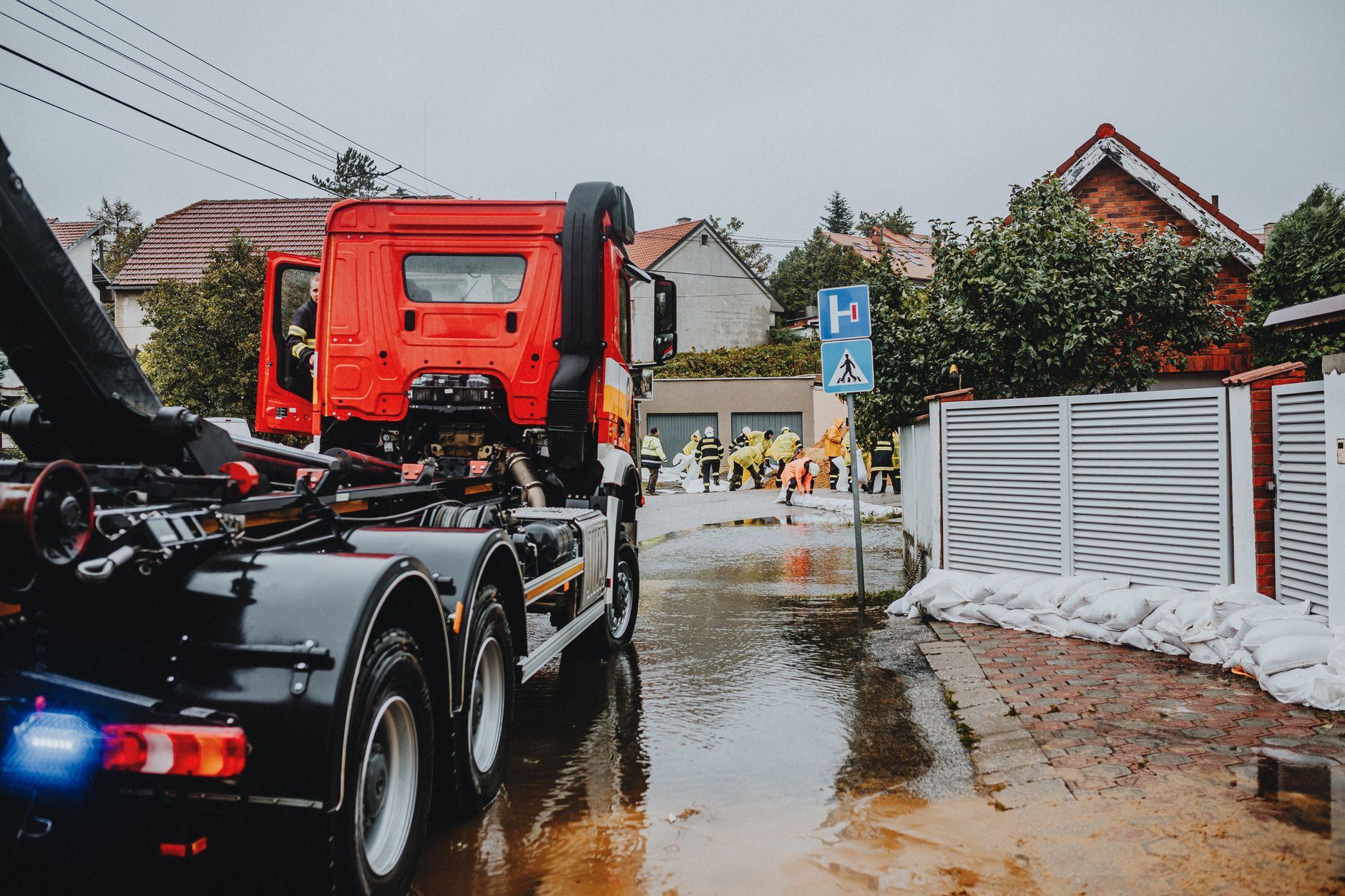
In the immediate aftermath of a disaster, the instinct to connect and support one another becomes paramount. Local community centers often serve as hubs for relief efforts, providing essential supplies like food, water, and clothing. Residents gather, sharing resources and information about recovery efforts. This immediate response helps to alleviate some of the stress and confusion that comes with disaster recovery.
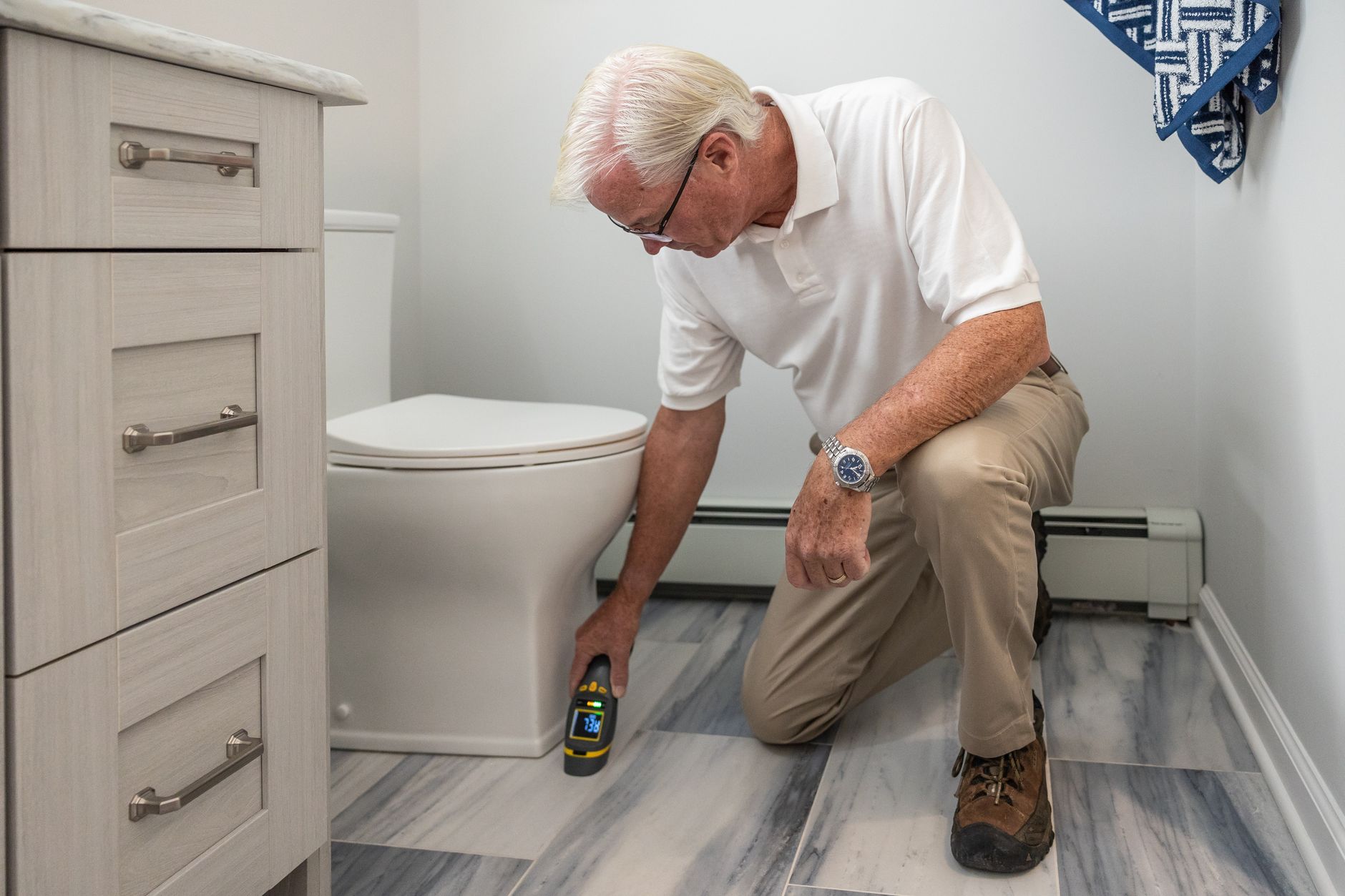
Local businesses also play a crucial role. Many companies step up, offering discounts or free services to those affected. For instance, restoration companies like Broward Restoration Pros are vital in assisting homeowners with damage assessment and cleanup. Their expertise can streamline the recovery process, allowing families to focus on getting back to normal.
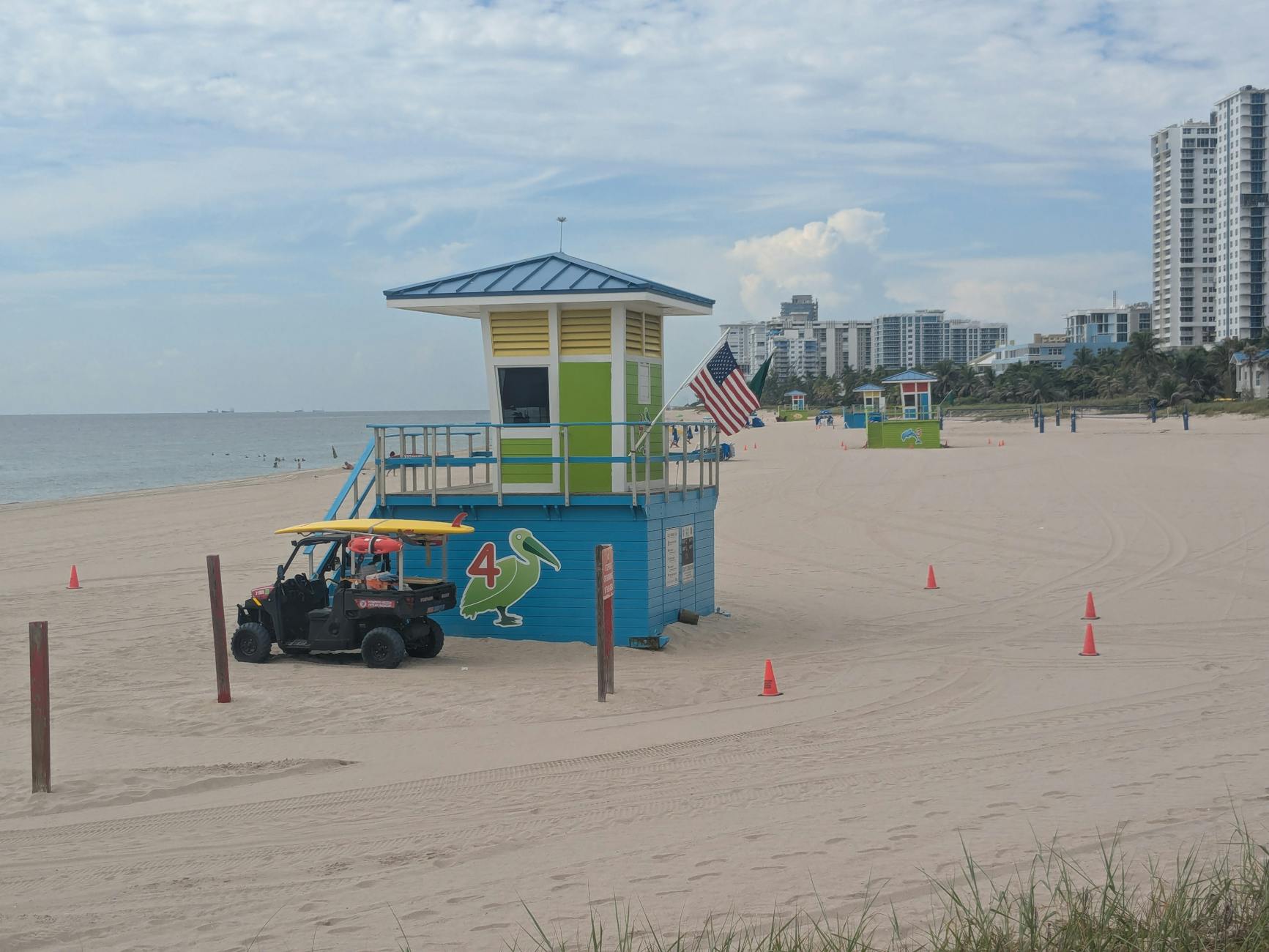
Long-Term Support: Building a Resilient Community
As the dust settles and the initial shock wears off, the focus shifts toward long-term recovery. Community support evolves at this stage, emphasizing emotional healing and rebuilding. Support groups and counseling services can provide much-needed outlets for residents to share their experiences and feelings. The importance of mental health during recovery cannot be overstated; it is essential for individuals to feel supported and understood.
Moreover, local governments and non-profits often collaborate to create recovery programs that address both physical and emotional needs. These initiatives can include housing assistance, job training programs, and financial counseling, ensuring that residents have the tools necessary to rebuild their lives.
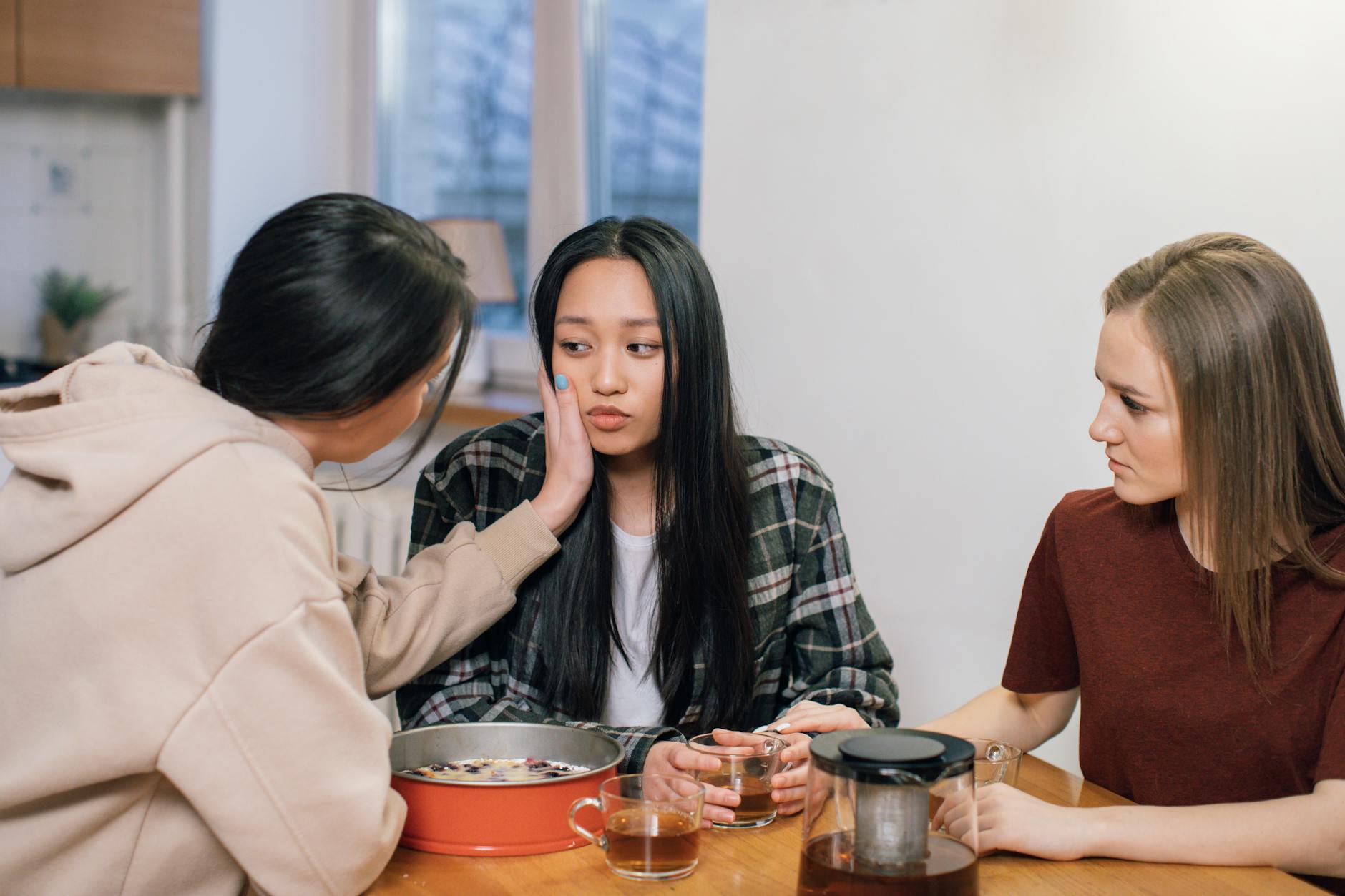
Volunteerism: The Heart of Community Recovery
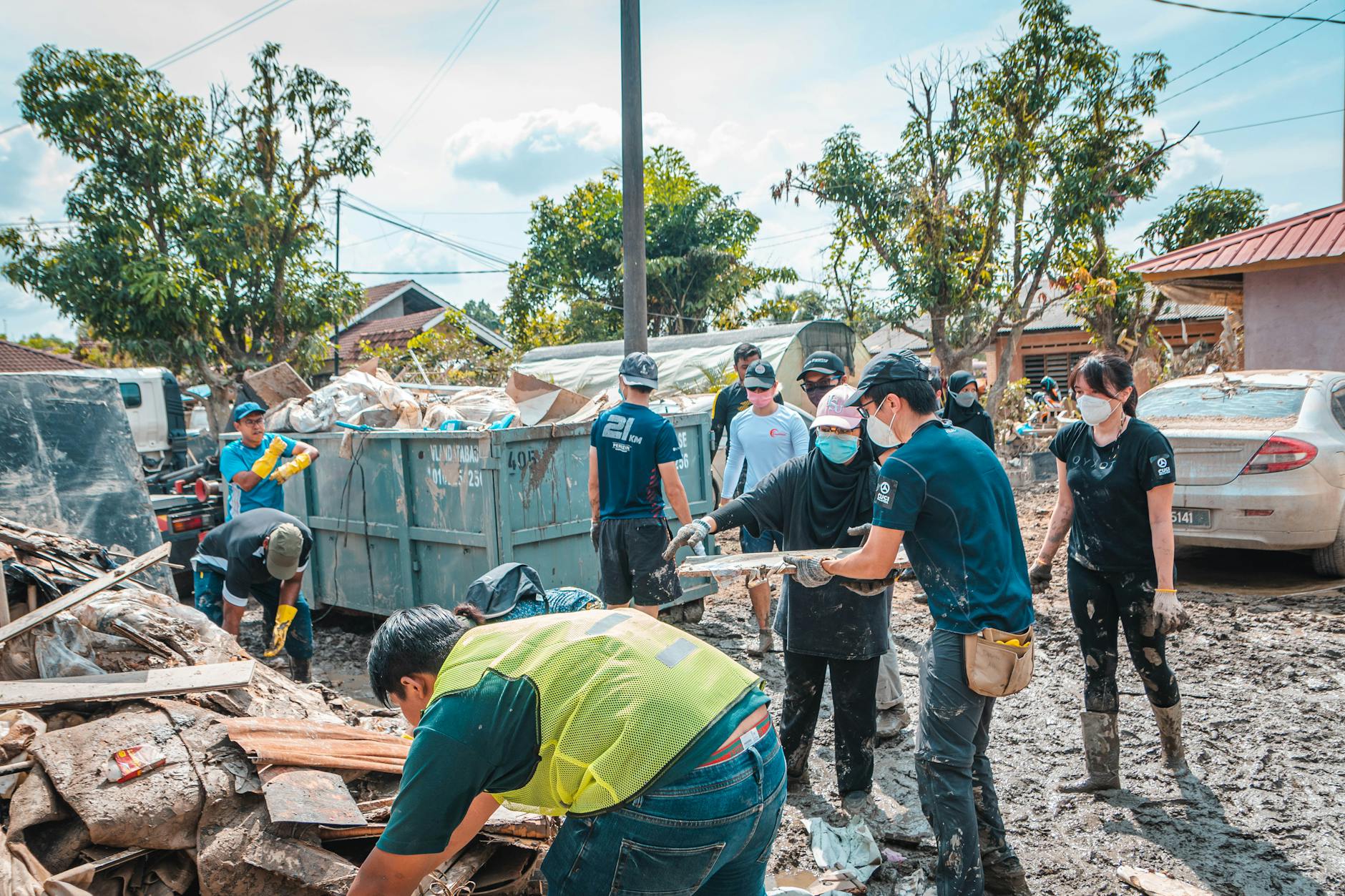
Volunteer efforts play a significant role in the recovery process. Programs that bring together volunteers to assist in cleanup efforts not only help physically restore properties but also reinforce community bonds. These initiatives can range from neighborhood clean-up days to organized rebuild efforts where volunteers help families repair their homes.
Additionally, residents can participate in training programs that prepare them to respond effectively during future disasters. This proactive approach fosters a culture of preparedness and resilience, ensuring that communities are better equipped to handle challenges when they arise.
Insurance and Financial Assistance: Navigating the Next Steps
While community support is invaluable, navigating the insurance and financial aspects of recovery can be daunting. Residents are encouraged to document damage thoroughly and communicate with their insurance providers to understand their coverage. Local restoration companies can assist in this process, providing detailed reports and estimates to support claims.
In Broward, there are also state and federal resources available to help with disaster recovery. Programs may offer low-interest loans or grants to assist homeowners and businesses in rebuilding. Connecting with local non-profits can provide additional information on available resources.
Staying Connected: The Role of Communication
Effective communication is key to community recovery. Social media platforms, local news outlets, and community bulletin boards become essential tools for sharing information about recovery efforts, volunteer opportunities, and resources available to residents. Staying connected helps to foster a sense of community during a time when isolation can feel overwhelming.
Additionally, local businesses and organizations can use these platforms to share their recovery stories, highlighting the resilience of the community and encouraging others to participate in recovery efforts. For example, Broward Plumbing Pros often shares updates on how they are helping local families recover, reinforcing the idea that we are all in this together.
Conclusion: A Unified Path Forward
As Broward County continues to recover from disasters, the role of community support remains a cornerstone of the recovery process. Together, individuals, businesses, and organizations create an environment of hope and resilience. By engaging in volunteer efforts, accessing available resources, and staying connected through effective communication, residents can navigate the challenges of recovery more effectively.
In the face of adversity, it’s the support we give each other that truly helps to heal and rebuild. As we move forward, let us remember that every act of kindness contributes to a stronger, more unified community ready to face whatever challenges come our way. For more insights on how to prepare your home for future disasters, check out this article on the benefits of smart plumbing devices.