The Top 7 Strategies For Effective Water Damage Mitigation In Broward Homes
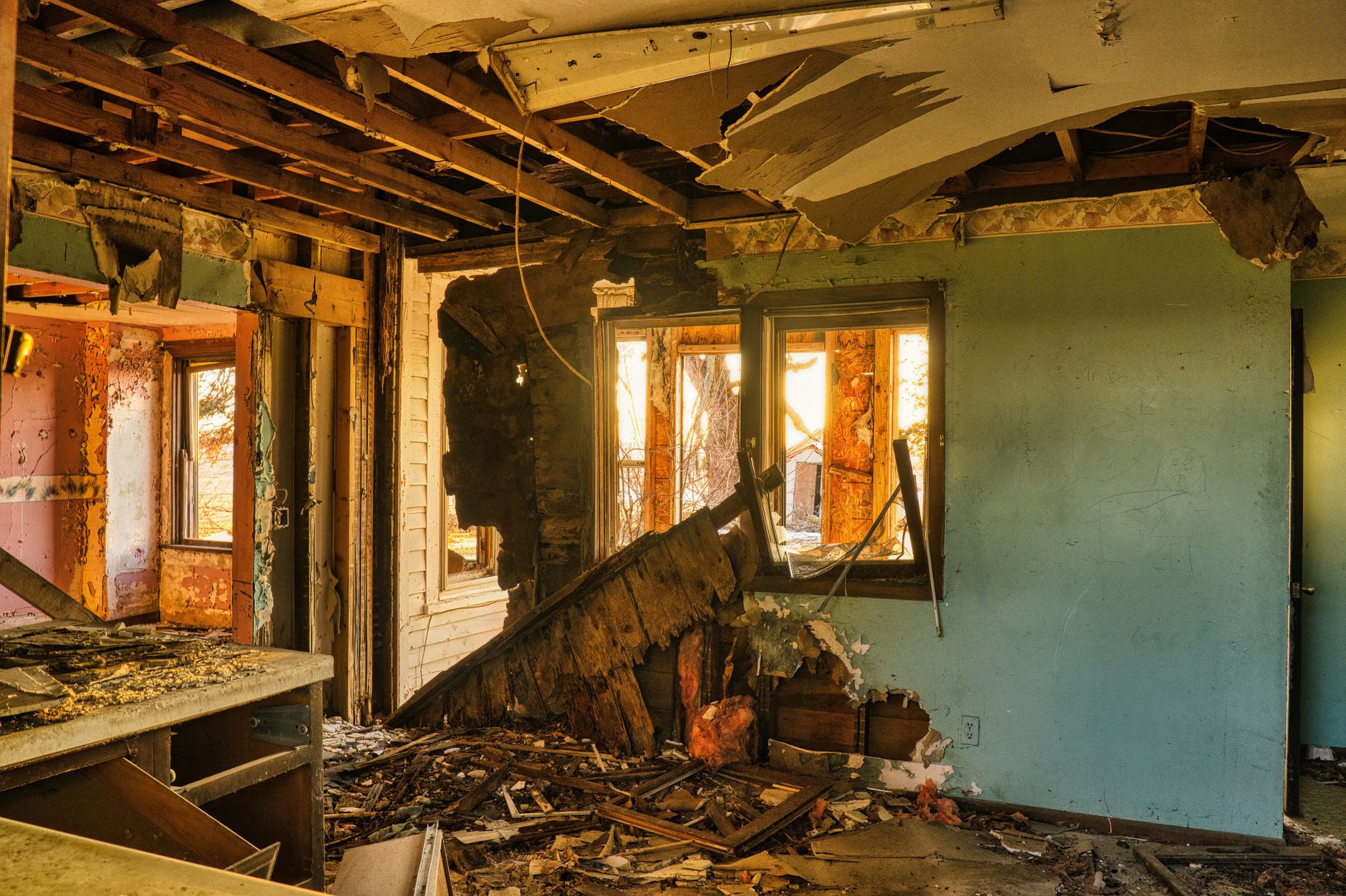
Water damage can be a homeowner's worst nightmare. Whether due to heavy rains, a burst pipe, or an appliance failure, the aftermath can be overwhelming. It's crucial to act quickly and effectively to mitigate damage and restore your home to its original state. In this article, we will explore seven strategies for effective water damage mitigation specifically tailored for Broward homes.
1. Understand the Source of Water Damage
The first step in effective water damage mitigation is identifying the source of the water intrusion. Is it from a natural disaster, a plumbing failure, or an appliance leak? Understanding the source not only helps in addressing the immediate issue but also in preventing future occurrences. For instance, if your water damage stems from a leaking refrigerator line, it might also be wise to consider professional plumbing services to ensure your lines are secure. You can find more about this on the Broward Plumbing Pros website.
2. Shut Off the Water Supply
Once you've identified the source, the next critical step is to shut off the water supply. This can prevent further damage and minimize the impact of the existing water. Locate your main water shut-off valve and turn it off if you suspect a plumbing issue.
3. Remove Standing Water
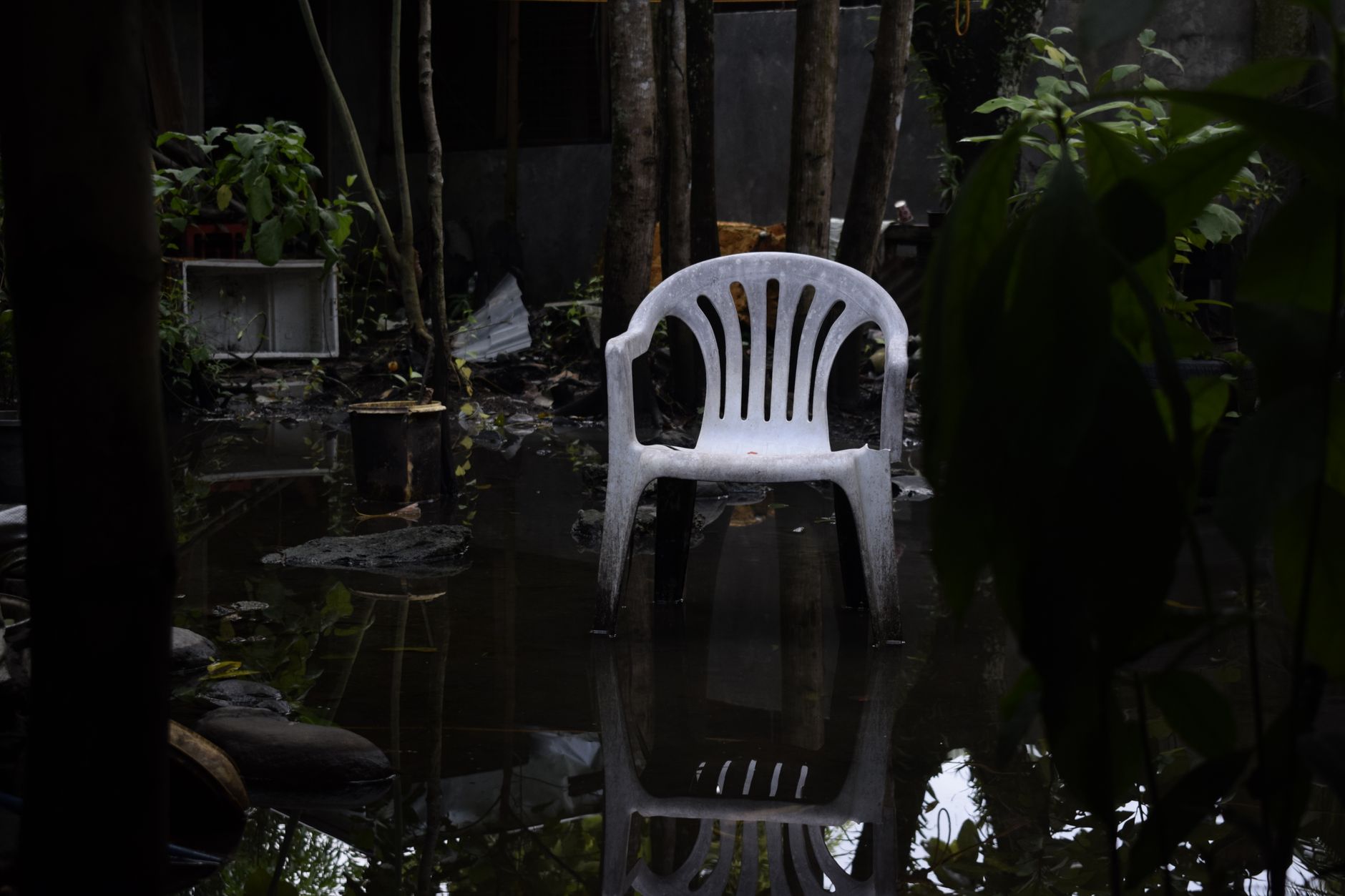
Removing standing water should be done as quickly as possible. Use a wet/dry vacuum or hire a professional water extraction service to eliminate the water. If the area affected is extensive, such as in cases of flooding, consider contacting professionals who specialize in water damage restoration to expedite the process and ensure thorough removal.
4. Dry the Affected Areas
After extracting the water, drying out the affected areas is essential to prevent mold growth. Use fans, dehumidifiers, and open windows to facilitate air circulation. Pay special attention to corners and hidden spaces where moisture might linger. In cases of extensive water exposure, you might want to look into air duct mold removal to prevent mold spores from circulating through your home.
5. Inspect for Structural Damage
Once everything is dry, it's time to assess the damage. Look for warped floors, ceiling stains, or compromised walls. Document this damage for insurance claims and consider contacting a restoration specialist to begin the repair process.
6. Apply Antimicrobial Treatments
Even after drying, there could still be a risk of mold growth. Applying antimicrobial treatments can help inhibit mold spores from taking root. This is especially important in humid environments like Broward County. For effective treatment options, consider professional services for antimicrobial treatment.
7. Prevent Future Water Damage
After resolving the current issue, take preventative measures to avoid future water damage. Regularly inspect your appliances and plumbing systems, clear gutters, and seal any cracks in your foundation. Additionally, consider eco-friendly plumbing solutions to ensure your home’s systems are both efficient and resilient. You can explore these solutions further in this Broward Plumbing Pros article.
In conclusion, while water damage can feel daunting, employing these strategies can help you effectively mitigate the situation and restore your home. Always remember, if the damage is extensive or you're unsure, it’s wise to consult with professionals who specialize in appliance leak cleanup and water damage restoration. Acting quickly and efficiently is key to minimizing damage and ensuring your home remains a safe and comfortable place.