The Ultimate Homeowner's Guide To Post-Storm Mold Mitigation In Broward
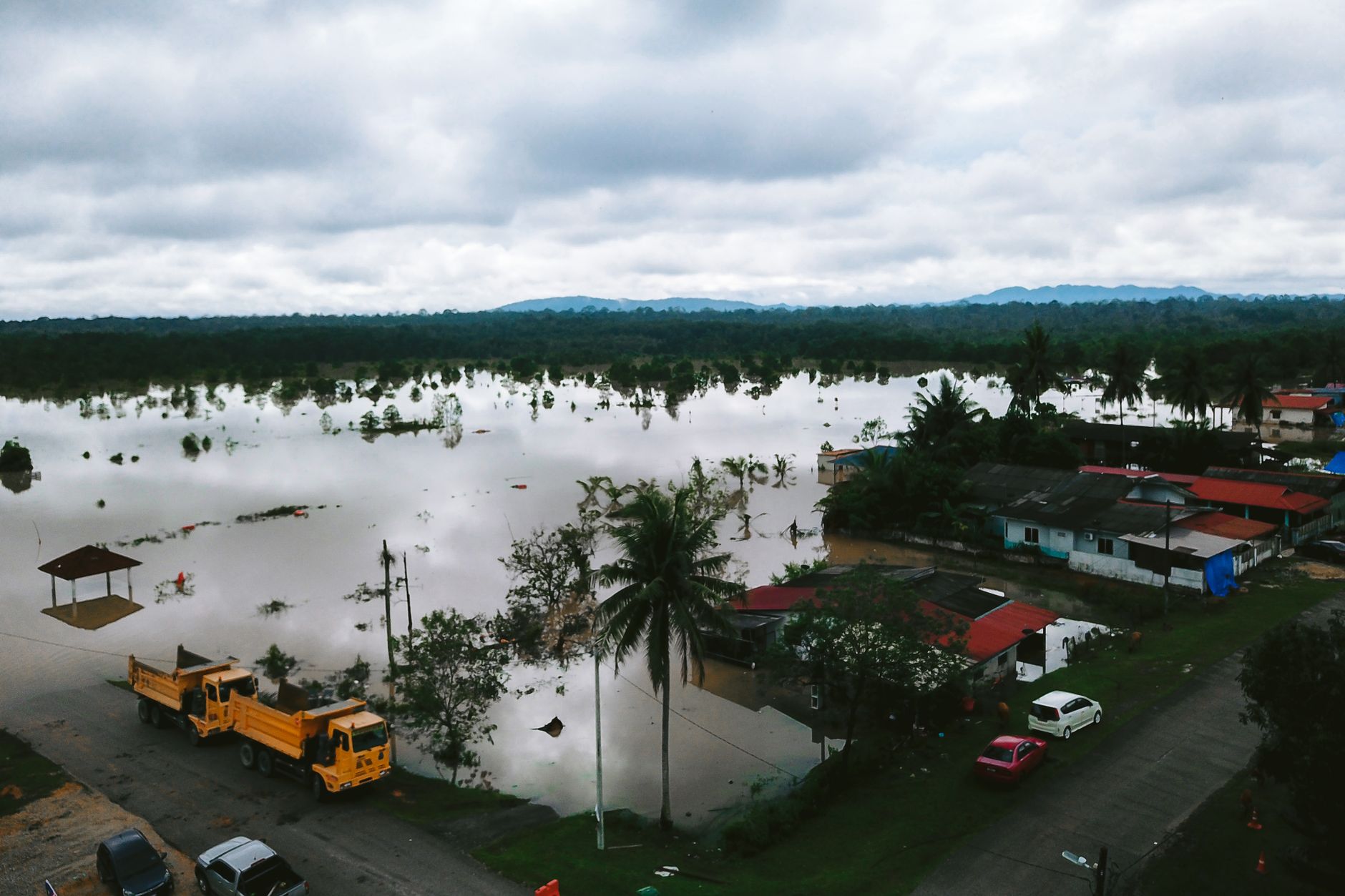
After a storm, many homeowners experience the distressing aftermath of water damage. One of the most serious concerns that can arise is mold growth, which can quickly take hold in moist environments. If your home has been affected by heavy rain or flooding, it’s crucial to understand how to mitigate mold effectively and protect your family’s health.
Mold spores are present everywhere in the environment, but they thrive in damp conditions. Following a storm, it’s essential to act swiftly to prevent these spores from colonizing in your home. Begin by assessing the damage. Look for any visible signs of water intrusion—such as leaks, damp walls, or puddles—and address these issues immediately. In many cases, a professional restoration service can provide the expertise needed to handle extensive damage.
Understanding Mold Growth
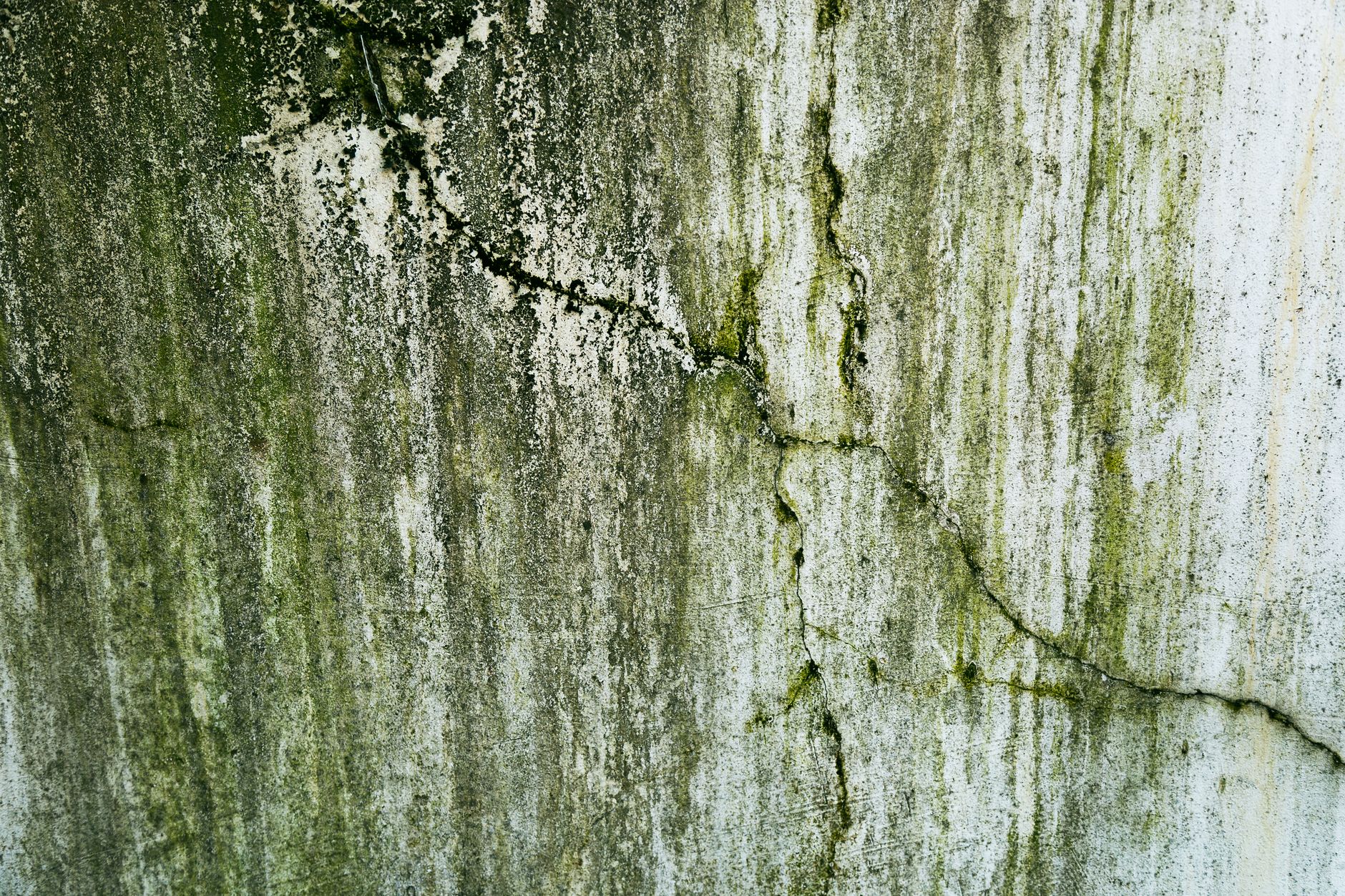
Mold can start to grow within 24 to 48 hours after water exposure, making timing critical. There are various types of mold, but black mold is particularly notorious due to its potential health risks. Symptoms of mold exposure can include respiratory issues, headaches, and skin irritation. If you or your family members experience any adverse health effects, consult a healthcare provider promptly.
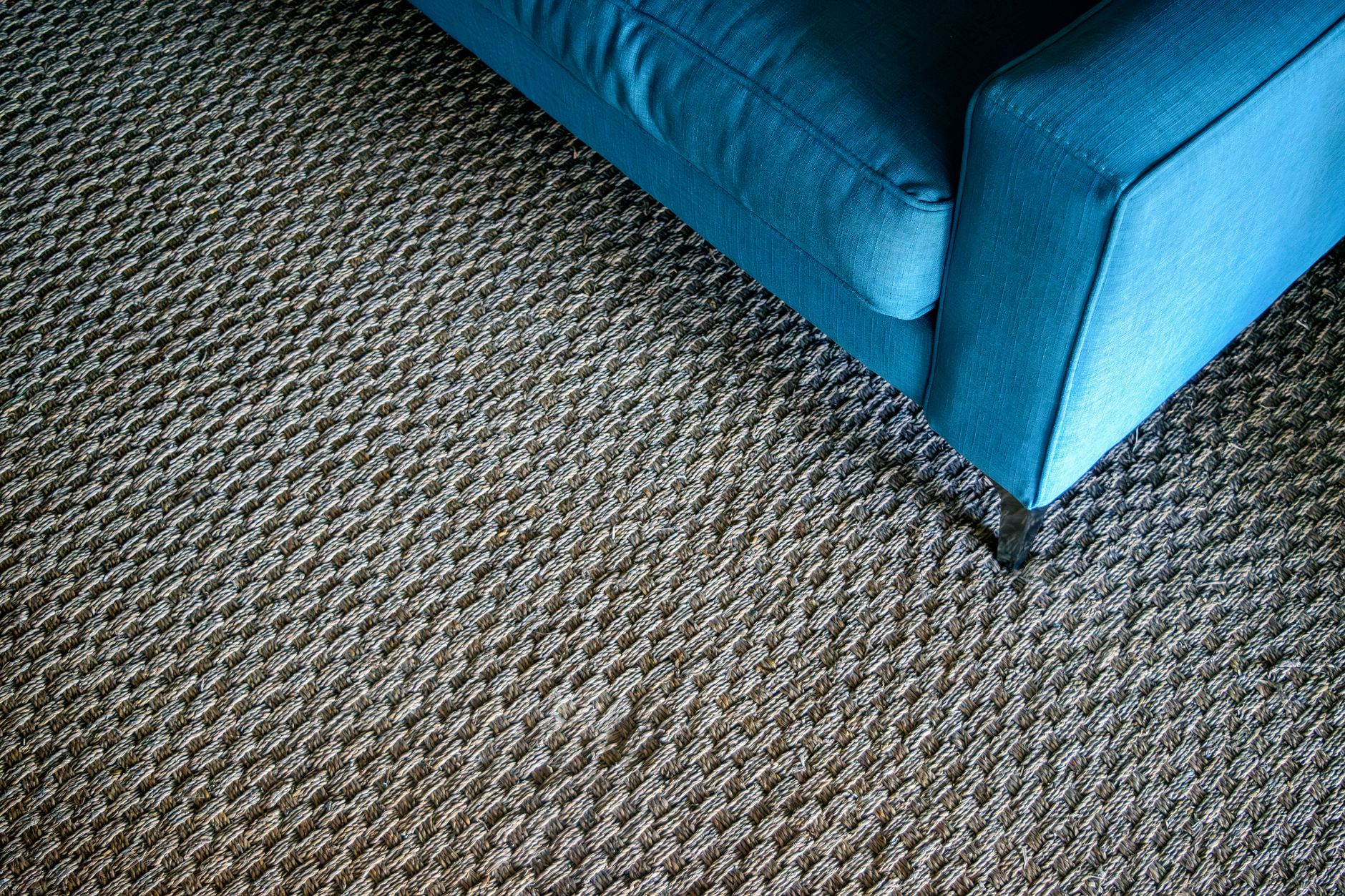
After a storm, the first step in mold mitigation is to thoroughly dry out your home. This includes removing water-damaged materials, such as carpet, insulation, and drywall. Use fans, dehumidifiers, and open windows to promote air circulation. The goal is to reduce humidity levels to below 60% to discourage mold growth.
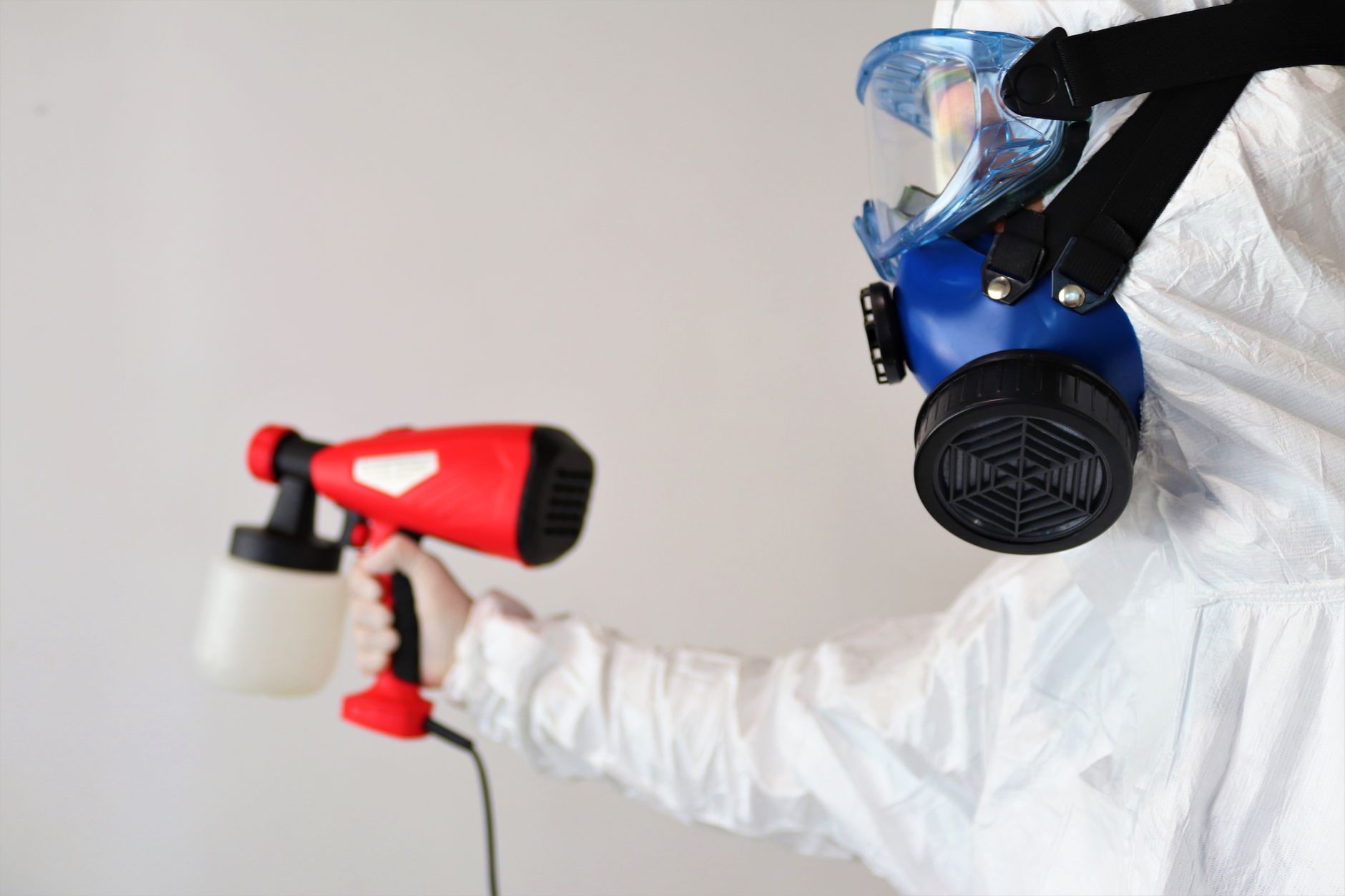
Steps for Effective Mold Mitigation
Here are key steps to take for effective mold mitigation after a storm:
- Identify and Repair Water Sources: Locate any leaks or water intrusion points and address them before proceeding with mold cleanup.
- Remove Affected Materials: Safely dispose of materials that are too damaged to save, like soaked carpets or drywall.
- Clean Surfaces: Use appropriate cleaning solutions to scrub surfaces that have been affected. Consider using a mixture of water and detergent for non-porous surfaces.
- Consider Professional Help: If the mold covers a large area (more than 10 square feet), it’s wise to consult a professional restoration service.
- Apply Antimicrobial Treatments: After cleaning, applying an antimicrobial solution can help prevent future mold growth.
For homeowners in Broward, we recommend reaching out to local experts for assistance. Our team understands the unique challenges posed by the climate in this region and is equipped to handle mold remediation effectively. You can learn more about our services by visiting our Black Mold Removal page or our Antimicrobial Treatment section.
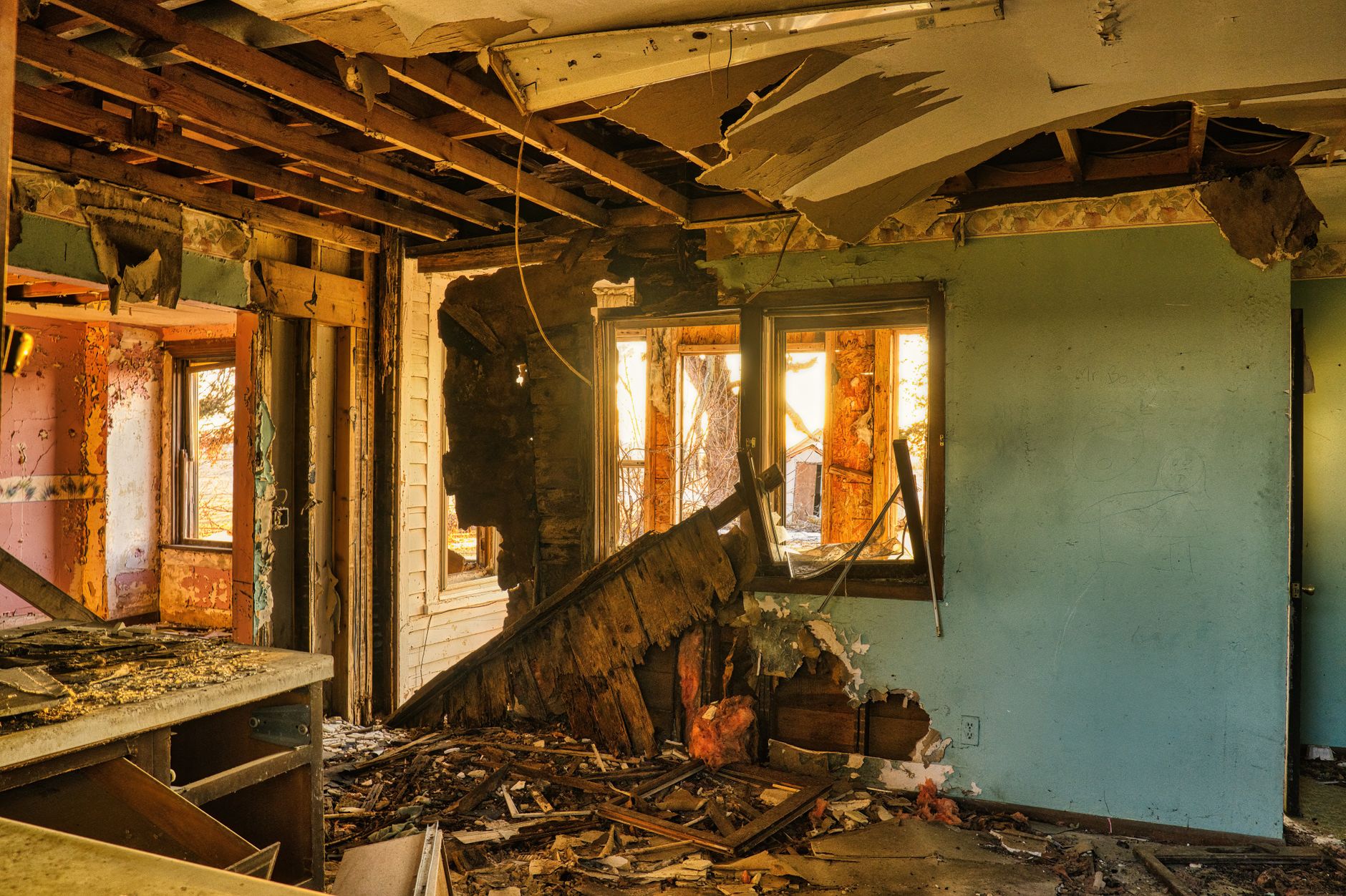
When to Call a Professional
If you discover mold growth that is extensive, or if you are concerned about your ability to safely remove it, do not hesitate to call a professional restoration service. They can provide specialized equipment and expertise that are crucial for effective mold mitigation.
Moreover, it’s essential to document the damage for your insurance claim. Take photographs of the affected areas and keep records of any repairs or services performed. This will help streamline the claims process and ensure you receive the assistance you need.
Additional Resources
In the aftermath of storm damage, it’s essential to prioritize both safety and health. A great resource for homeowners regarding plumbing concerns is the Ultimate Guide To Plumbing Safety For Broward Homeowners. This guide offers valuable insights into maintaining your home’s plumbing system, especially after significant water events.
For plumbing issues related to your HVAC system, consider checking out the services offered by Broward Plumbing Pros, particularly their expertise in handling AC drain line leaks. You can find more information here.
In conclusion, while storms can cause significant disruptions, being proactive about mold mitigation can help safeguard your home and your loved ones. If you’re in doubt or overwhelmed, remember that professional help is just a call away.