Understanding The Impact Of Humidity On Mold Growth In Broward Homes
As a homeowner in Broward County, you may have felt the discomfort of high humidity levels. While the moisture in the air can make your home feel muggy, it also creates a perfect breeding ground for mold. Understanding the impact of humidity on mold growth is crucial in maintaining a safe and healthy living environment.
Humidity is the amount of moisture present in the air, and it can fluctuate based on the season, weather patterns, and even your home’s ventilation. In Broward, where the climate is typically warm and humid, mold spores thrive when humidity levels exceed 60%. This means that if your home lacks proper ventilation or has water leaks, you might be at a higher risk for mold infestations.
How Humidity Fuels Mold Growth
Mold is a type of fungus that reproduces by releasing spores. These spores are naturally found in the environment and can enter your home through open doors, windows, or on pets and clothing. When the air is humid, these spores can settle on surfaces and begin to grow, especially in areas that are warm and damp.
Common areas where mold tends to flourish include:
- Bathrooms
- Basements
- Attics
- Kitchen areas with water sources
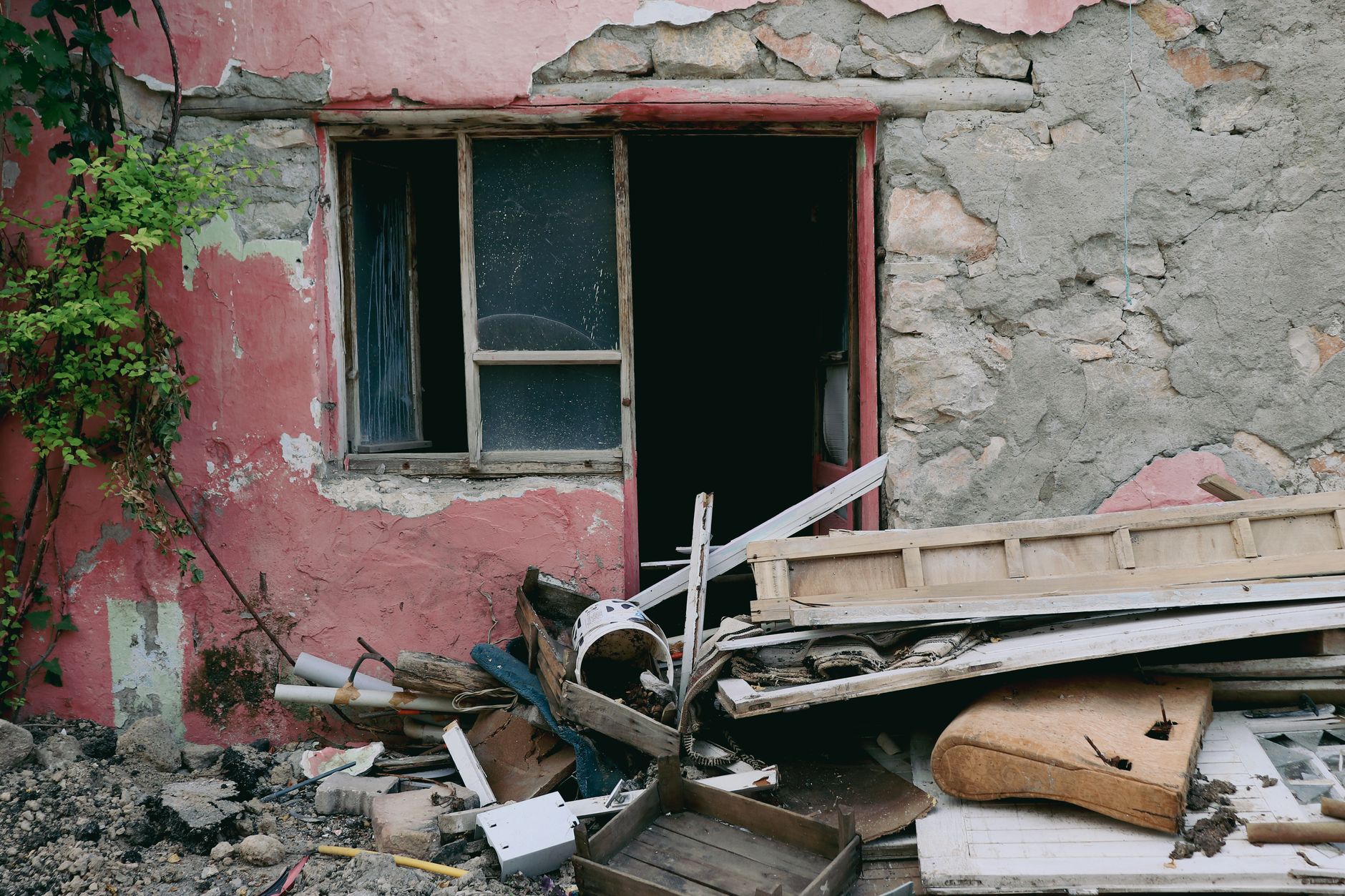
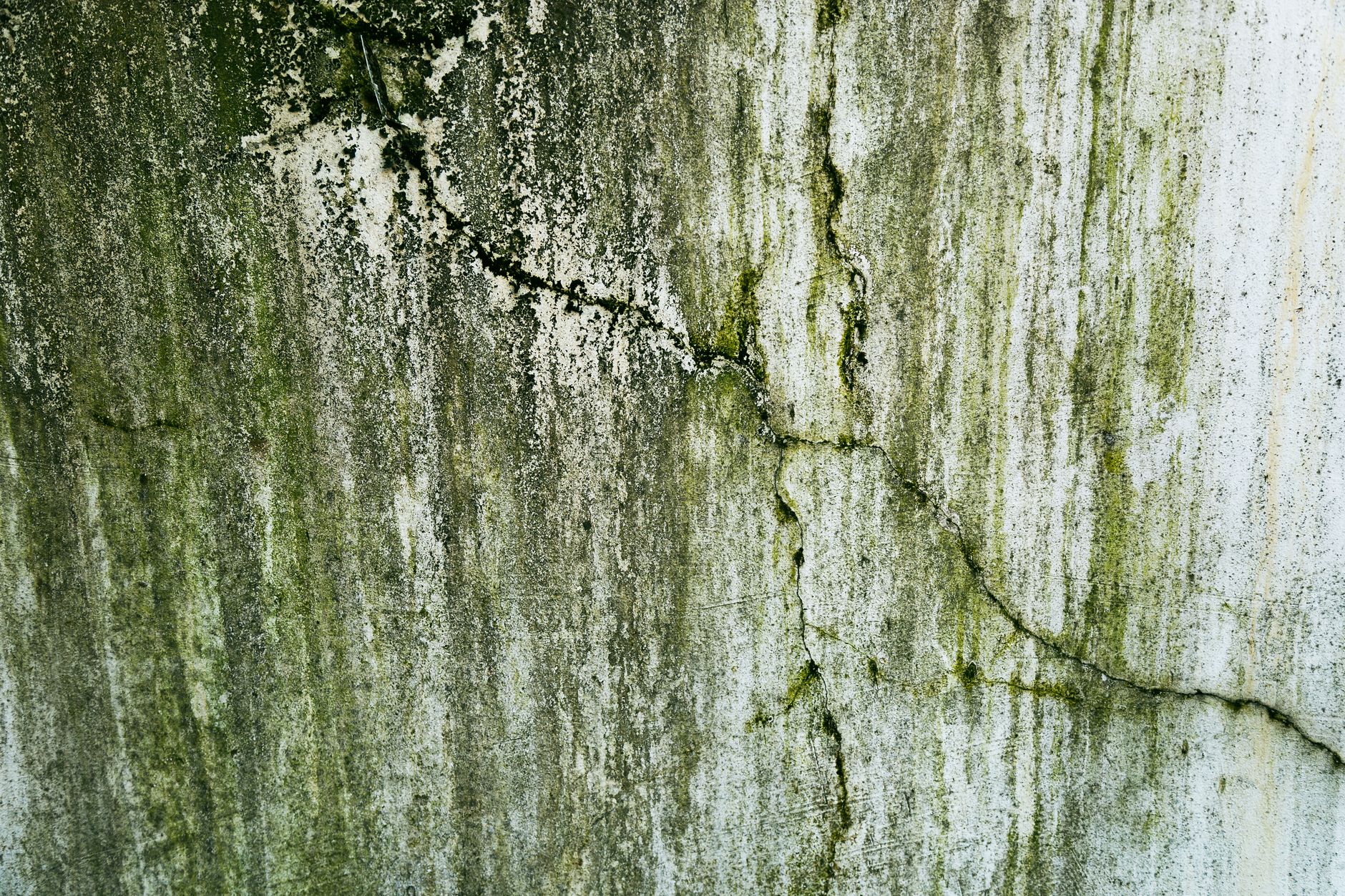
If you notice a persistent musty smell or see discoloration on walls, it may be time to investigate further. Mold can lead to health problems and structural damage if left unaddressed.
Signs of High Humidity and Mold Presence
Identifying high humidity levels in your home can be as simple as using a hygrometer, which measures the moisture in the air. If the readings are consistently above 60%, it’s time to take action. Additionally, look for these signs:
- Condensation on windows or pipes
- Peeling paint or wallpaper
- Warped wood or flooring
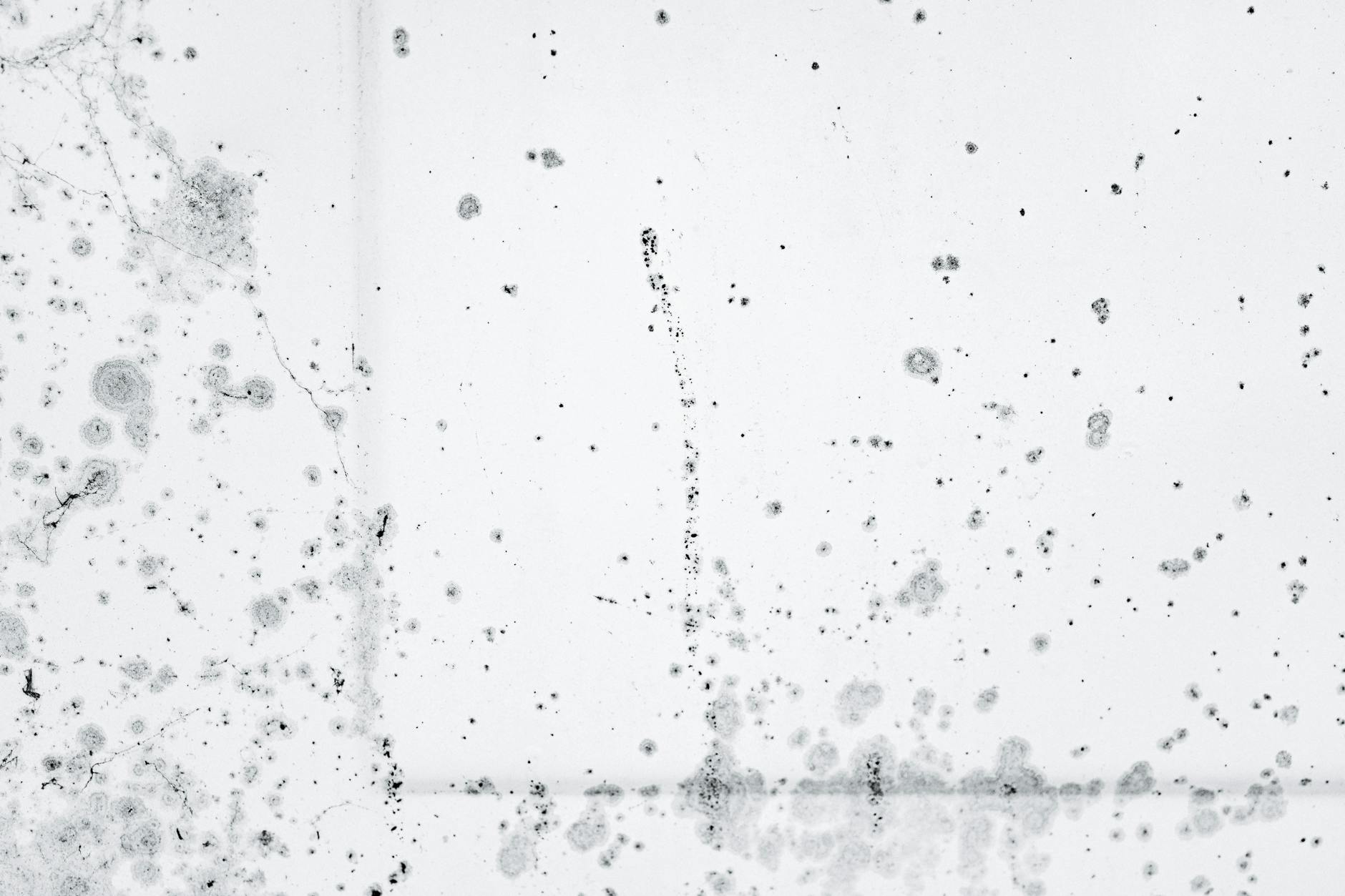
- Visible mold growth on surfaces
These indicators not only suggest high humidity levels but also point to areas where mold could potentially grow. Addressing these issues promptly can save you from more extensive restoration work down the line.
Effective Humidity Control Measures
Controlling humidity levels in your home is key to preventing mold growth. Here are some effective strategies:
- Use dehumidifiers to remove excess moisture from the air.
- Ensure proper ventilation in areas prone to humidity, like bathrooms and kitchens.
- Repair leaks and water damage promptly.
- Insulate your home to prevent condensation on cold surfaces.
By implementing these measures, you can create a less hospitable environment for mold and protect your home from damage.
When to Call a Professional
If you suspect mold growth in your home, it’s wise to consult a professional. Mold remediation specialists can assess the situation and provide effective solutions. At Broward Restoration Pros, we offer comprehensive air duct mold removal services to ensure your indoor air quality is safe.
Additionally, if you have experienced recent water damage due to leaks or flooding, it’s crucial to act quickly. Our 24-hour water damage restoration services are designed to mitigate damage and prevent mold growth before it becomes a larger issue.
Understanding the Bigger Picture
Humidity plays a significant role in mold growth, and as a homeowner, understanding its impact is essential. By being proactive about humidity control and recognizing the signs of potential mold problems, you can protect your home and your health. Remember, if you ever find yourself dealing with mold or water damage, you’re not alone. Reach out to professionals who can help.
For more insights on maintaining your home, check out this article on the importance of regular plumbing inspections. And if you have issues with AC drain line leaks, learn more about our partner services here.