Understanding The Long-Term Effects Of Storm Damage On Broward Properties
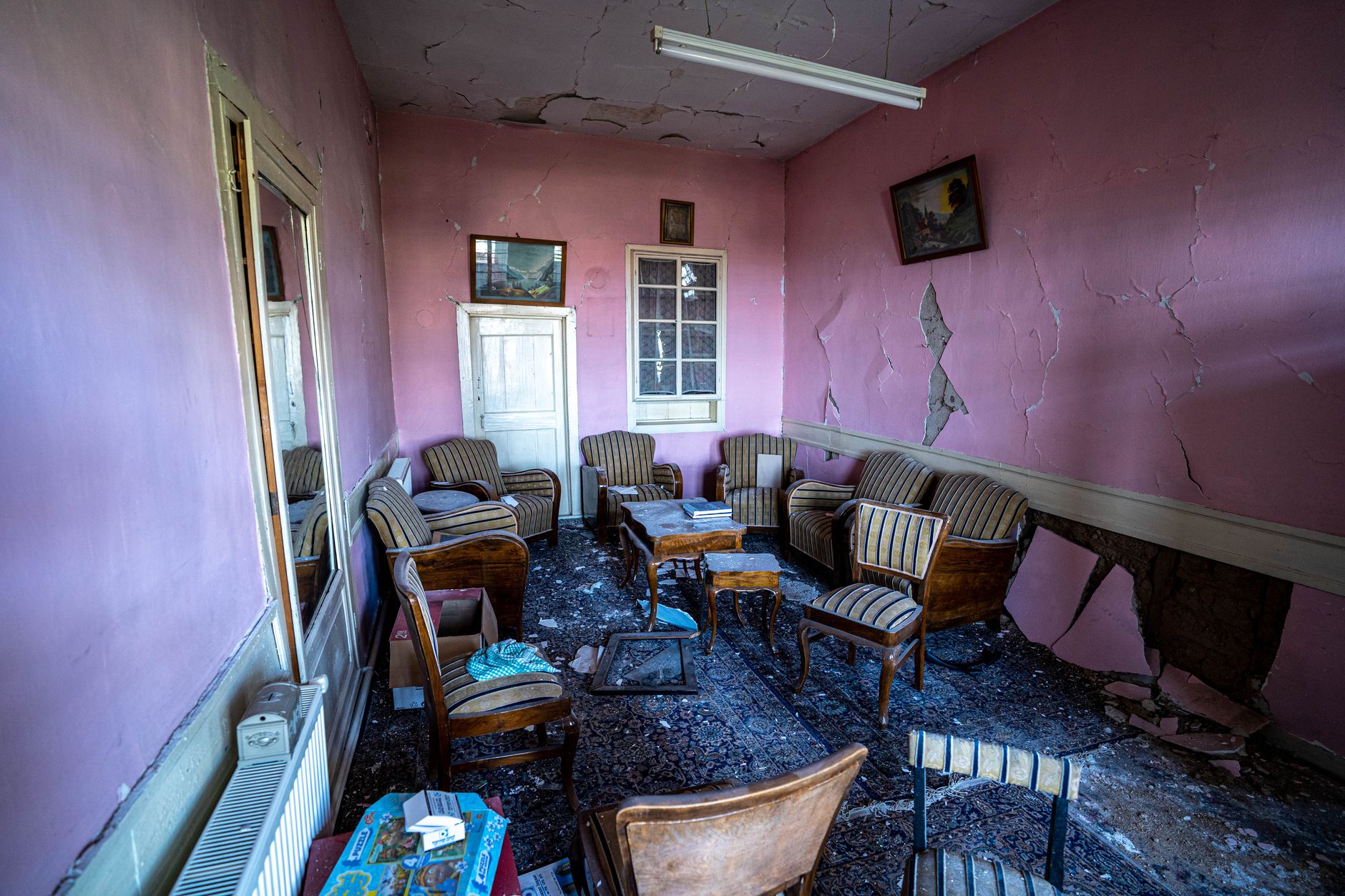
Storms can bring about significant damage to properties in Broward County, and the aftermath often leaves homeowners feeling overwhelmed and unsure of what to do next. Understanding the long-term effects of storm damage is crucial to restoring your home and safeguarding your investment. As you assess the repercussions of recent storms, it’s important to consider both the visible damage and the hidden issues that may arise later.
Common Types of Storm Damage
Storms can cause a variety of damage, including:
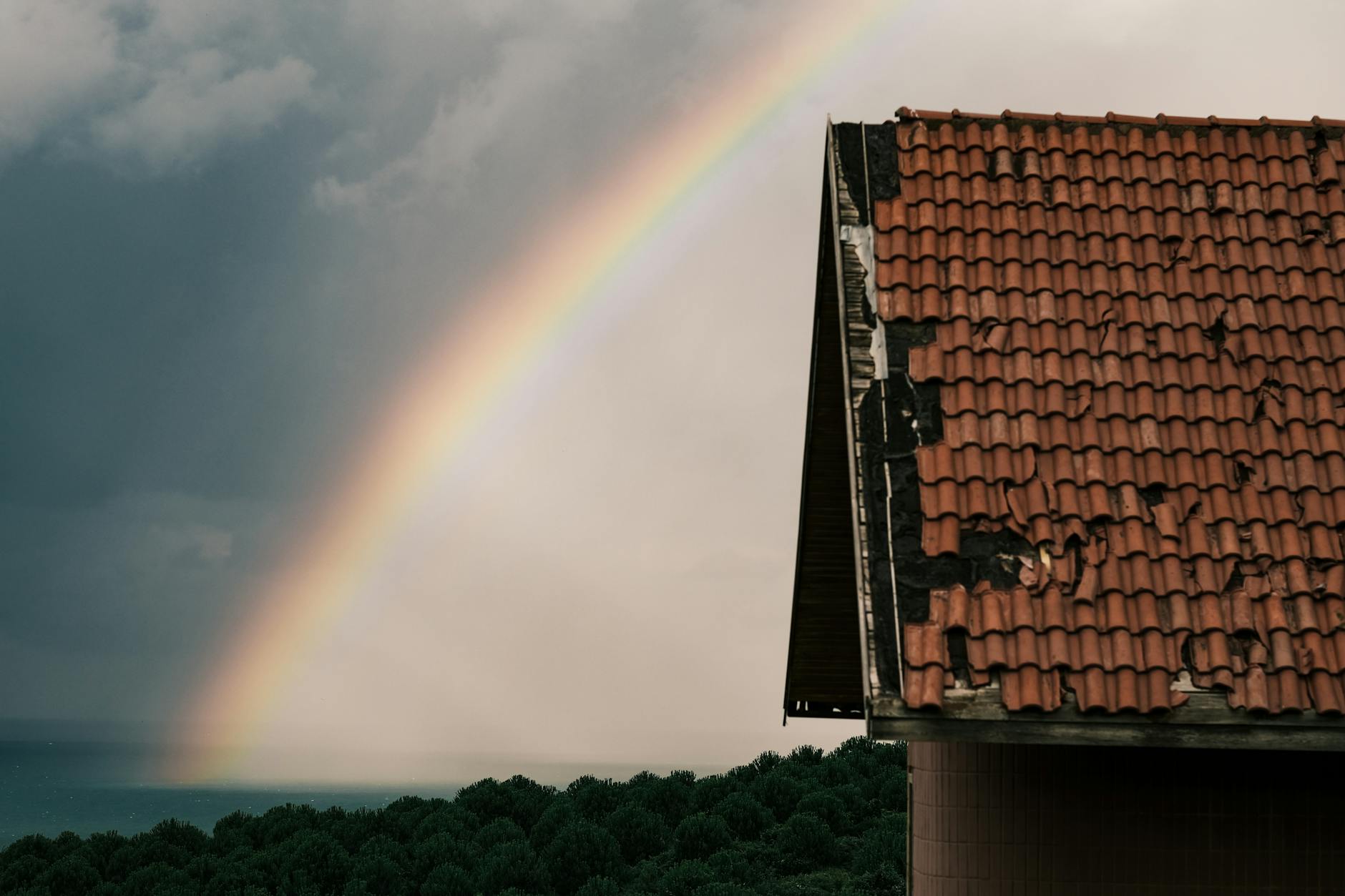
- Roof Damage: High winds and heavy rain can loosen shingles, create leaks, or even cause complete roof failures.
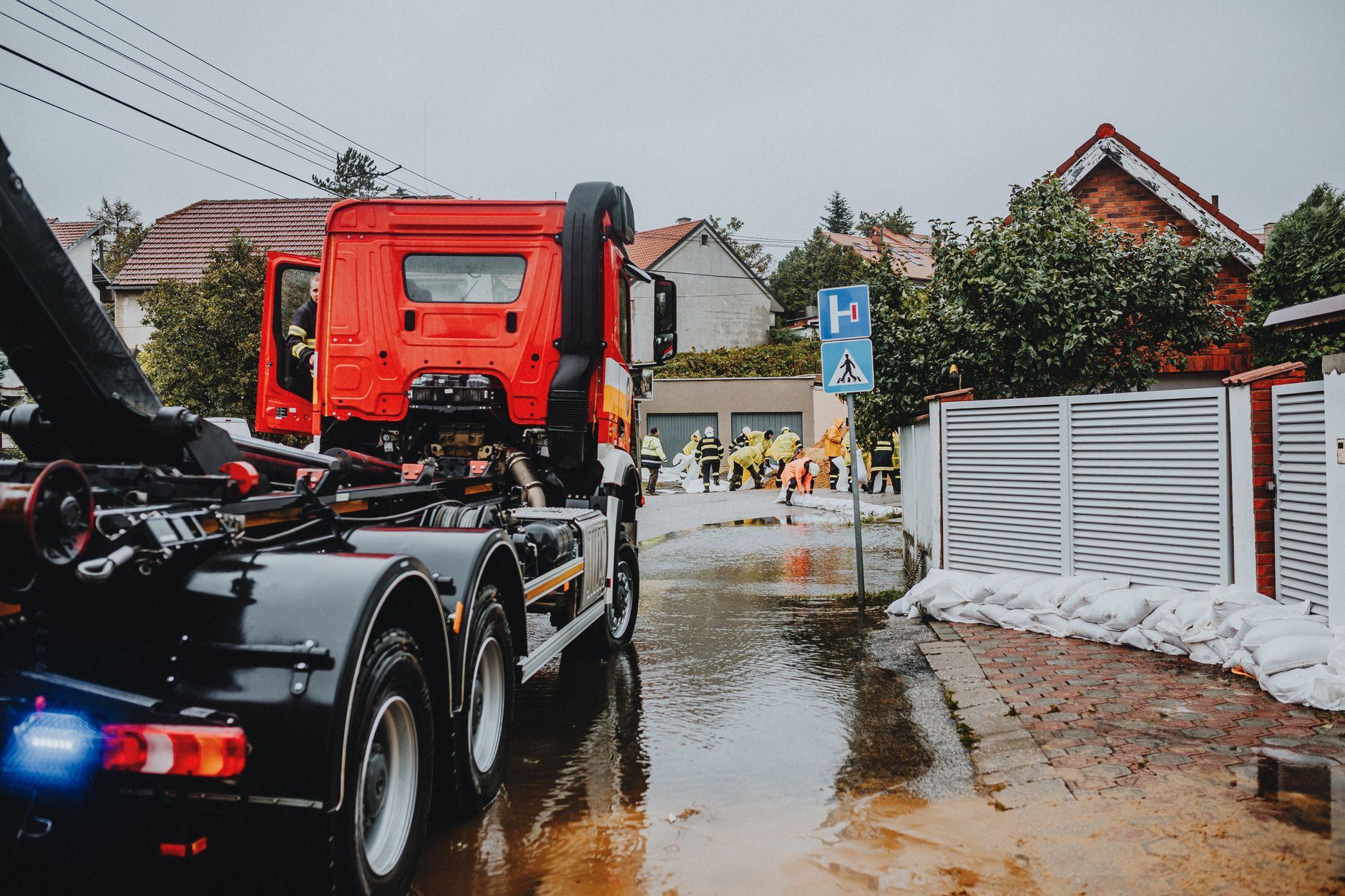
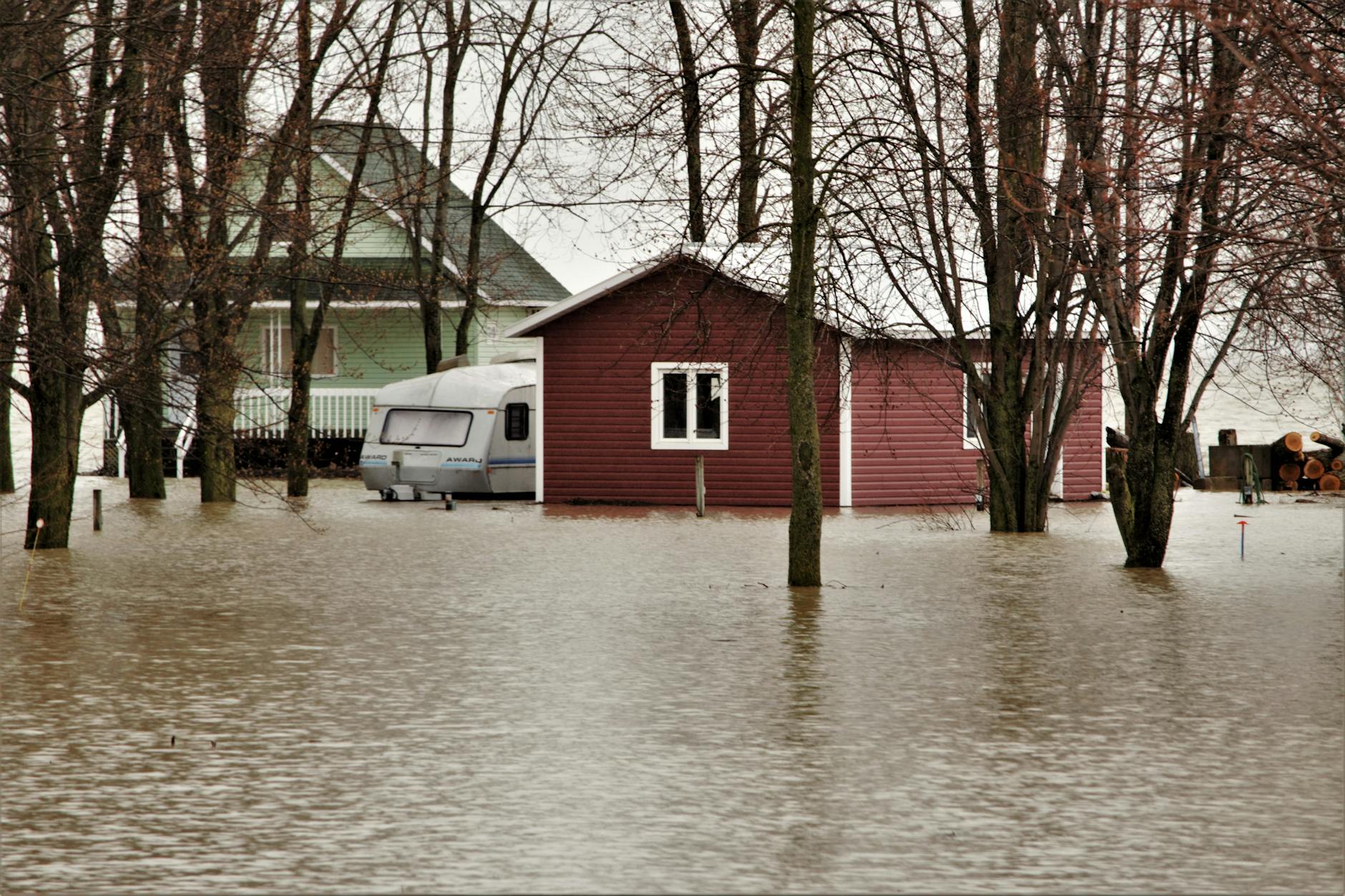
- Water Intrusion: Flooding or excessive rain can lead to water seeping into your home, damaging walls, floors, and personal belongings.
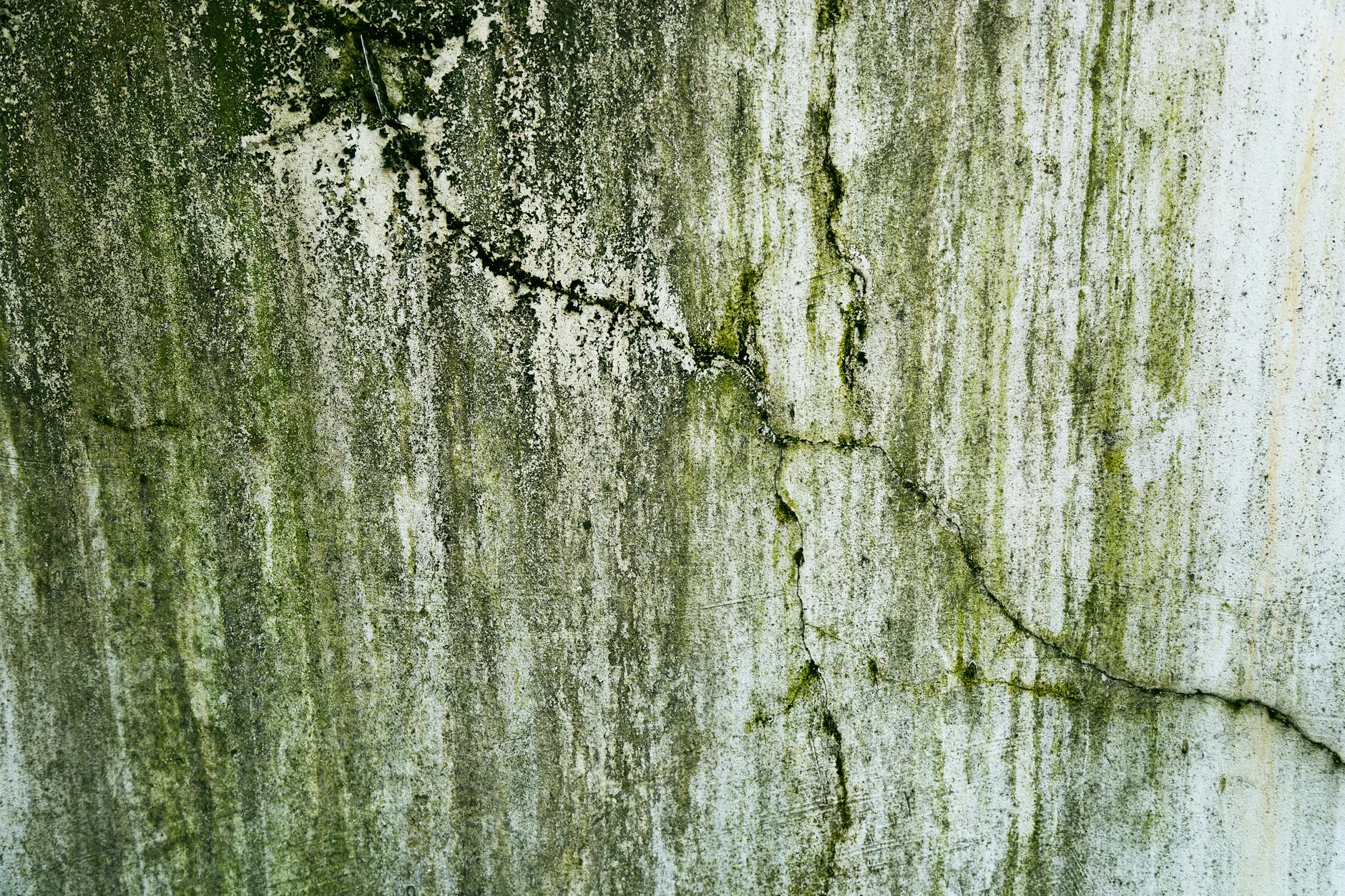
- Mold Growth: Moisture left behind from storm damage can create an ideal environment for mold, which can pose serious health risks if not addressed promptly.
Long-Term Effects of Storm Damage
While the immediate aftermath of a storm often focuses on visible damages, it's the long-term effects that can be more insidious. Here are several key areas to consider:
1. Structural Integrity
Even minor storm damage can compromise the structural integrity of your home. Water damage can weaken wooden beams and support structures, leading to potential safety hazards in the future. It's essential to have a professional assess any damage to ensure your home remains safe and sound.
2. Mold and Mildew
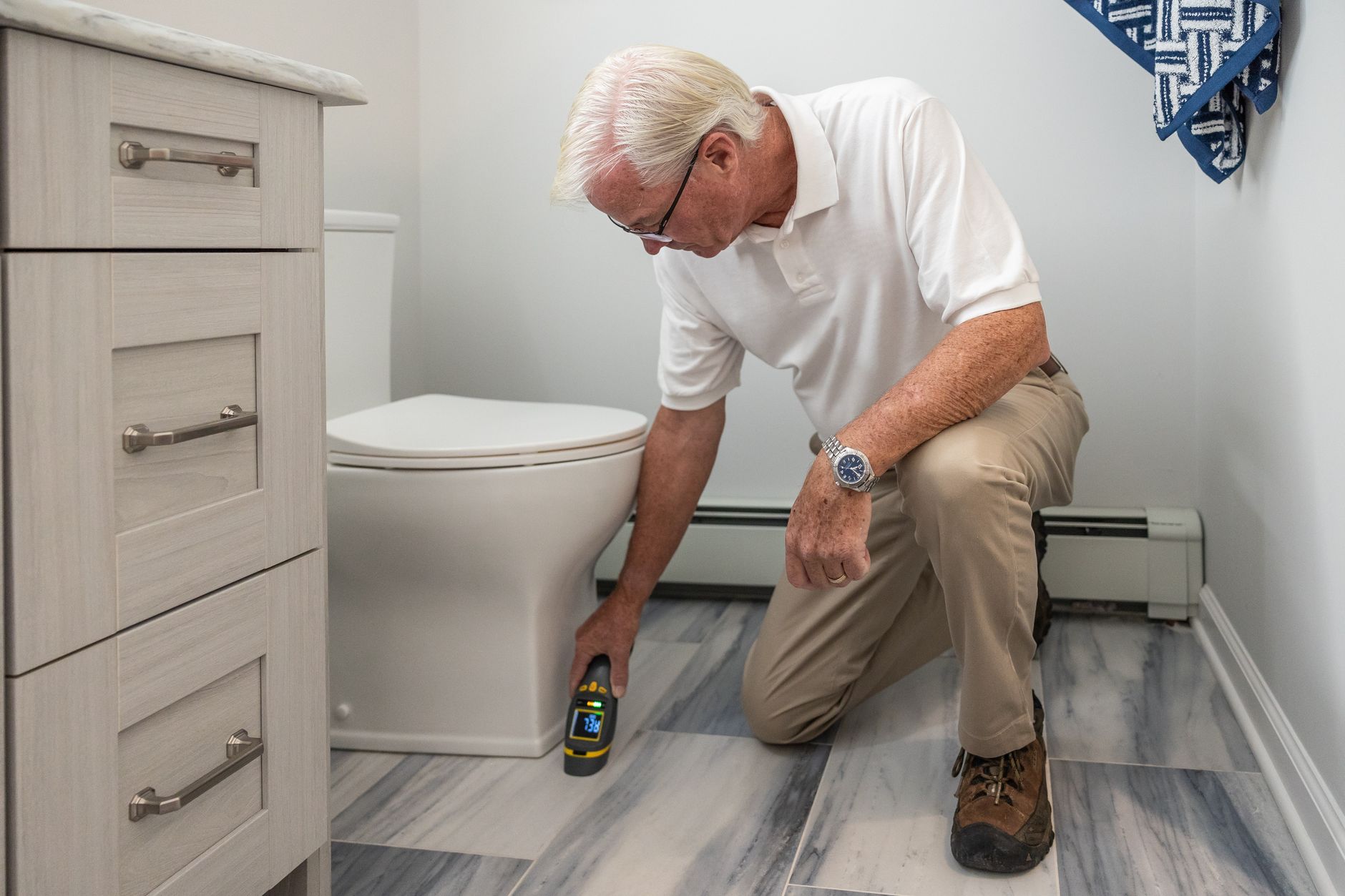
As previously mentioned, water intrusion can lead to mold growth. Mold can develop within 24-48 hours after water exposure, making it imperative to act quickly. Beyond the immediate aesthetic concerns, mold can create significant health issues. If you suspect mold growth, consider our air duct mold removal services to ensure the air quality in your home is safe.
3. Electrical Issues
Storms can also cause damage to electrical systems, leading to shorts or even fire hazards. Water exposure to electrical components is serious and should be addressed by a licensed electrician to prevent accidents.
4. Landscaping Damage
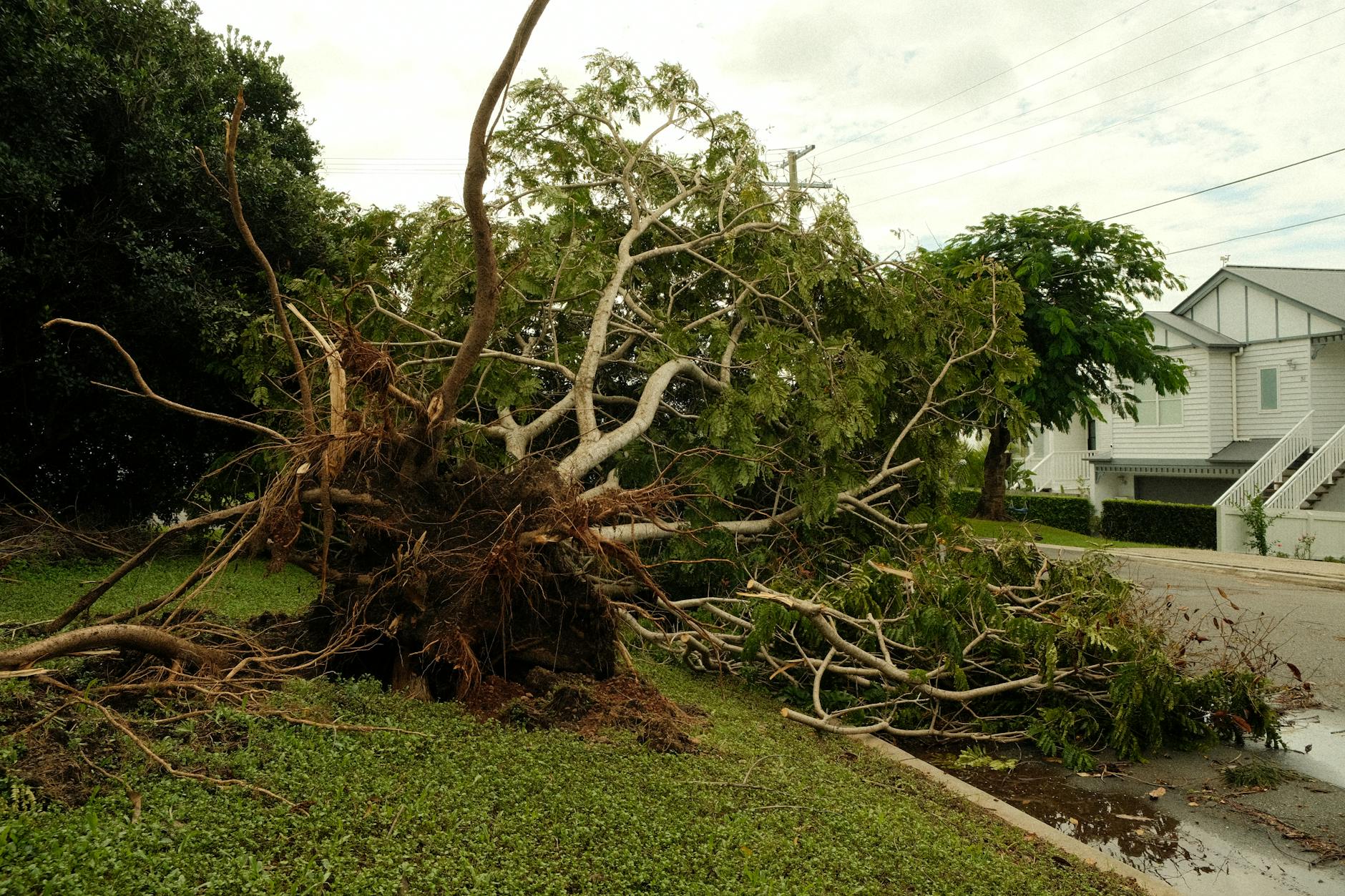
The damage is not confined to your home’s structure. Storms can uproot trees, damage gardens, and disrupt landscaping. This can result in erosion, which can create additional problems for your property’s drainage systems.
When to Call a Restoration Professional
After assessing the damage, you may wonder whether to tackle repairs yourself or call in a professional. Here are some signs it's time to contact a restoration expert:
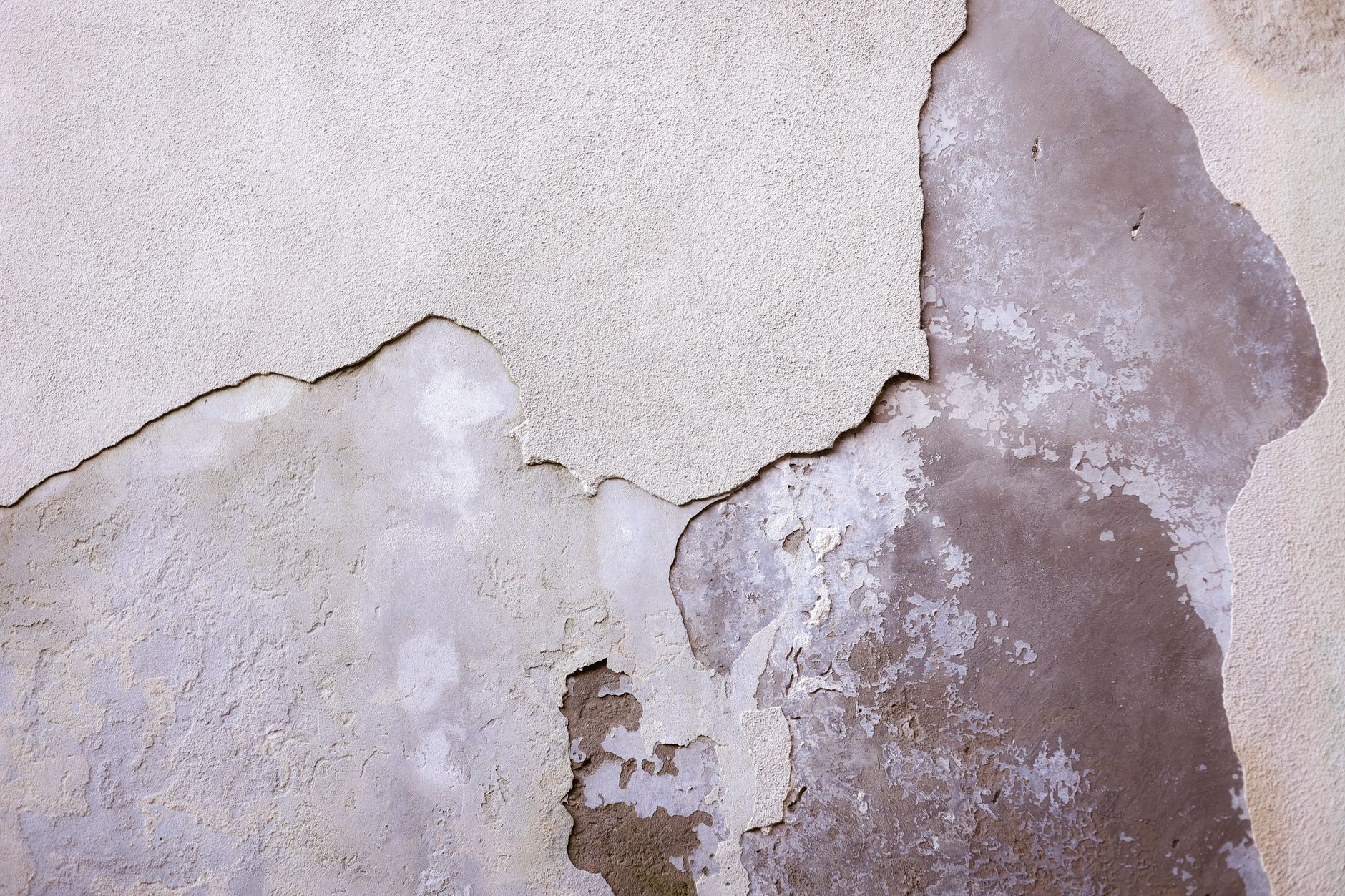
- You notice persistent leaks or water stains.
- Mold is visible or a musty smell is present.
- Your home has sustained structural damage.
- You are unsure about the safety of your electrical systems.
Professional restoration companies like Broward Restoration Pros can provide comprehensive services to mitigate damage and restore your home. We specialize in 24-hour water damage restoration to help you recover quickly after a storm.
Insurance Considerations
Understanding your homeowner's insurance policy is vital after storm damage. Many policies cover storm damage, but it’s essential to document all damages and communicate with your insurance provider promptly. Keep detailed records, take photographs, and seek professional assessments to support your claims.
Conclusion
Storm damage can have lasting effects, but with the right knowledge and assistance, you can mitigate these risks and restore your home. If you suspect your property has been affected by storm damage, don’t hesitate to reach out for help. Remember, early intervention is key to preventing more extensive and costly repairs in the future.
For more information on home repairs, consider visiting the team at Broward Plumbing Pros for expert plumbing services. Additionally, you can read about how pipe corrosion may affect your home by checking out their article here.