How Broward Residents Can Navigate Post-Storm Reconstruction Challenges
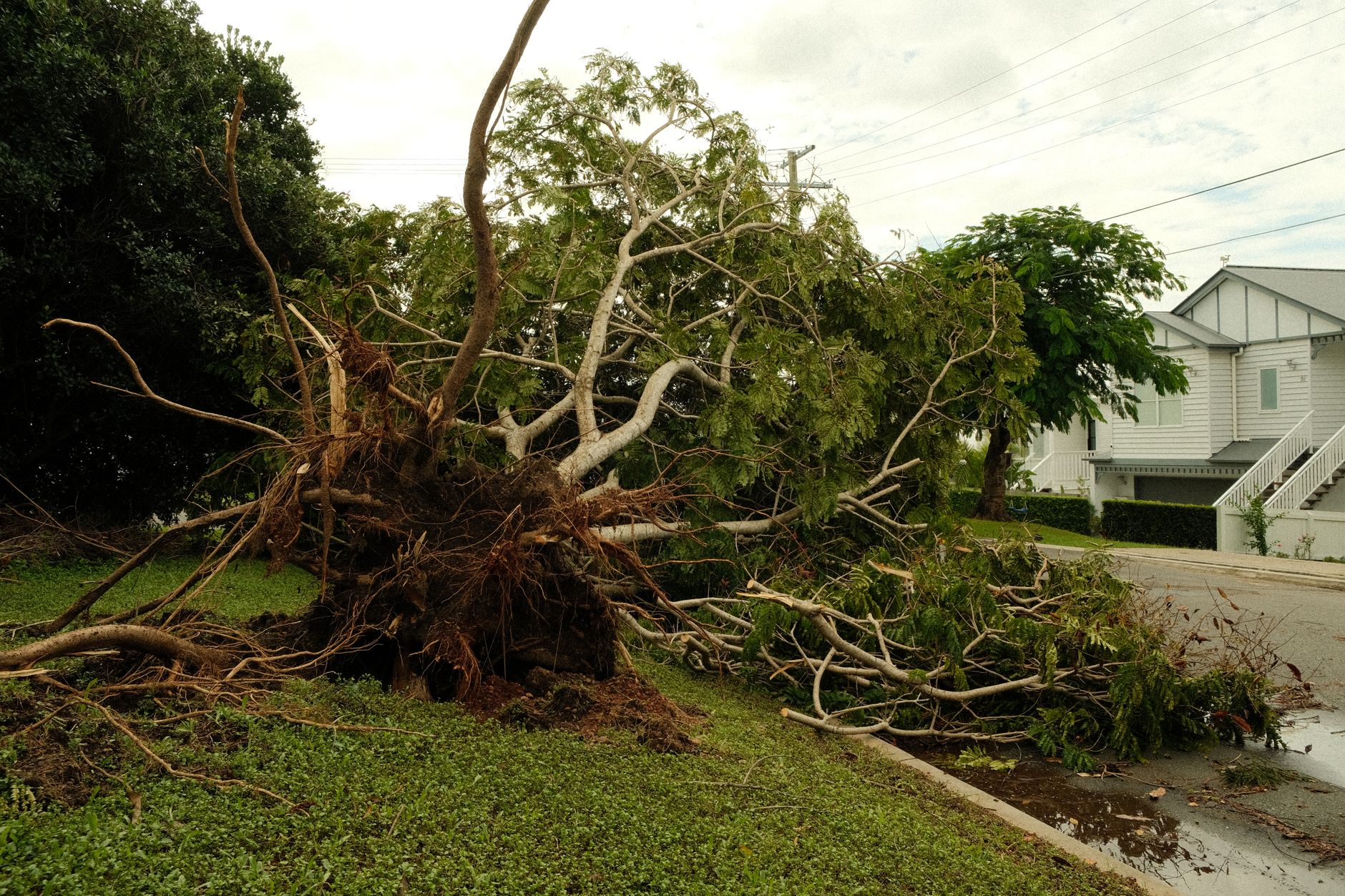
Experiencing a storm can be a harrowing ordeal for any homeowner. The aftermath often leaves us grappling with not only the emotional toll but also the tangible damages to our homes. In Broward County, the challenges of post-storm reconstruction can feel overwhelming, yet with the right guidance, it’s possible to navigate these waters more effectively.
Understanding the Damage
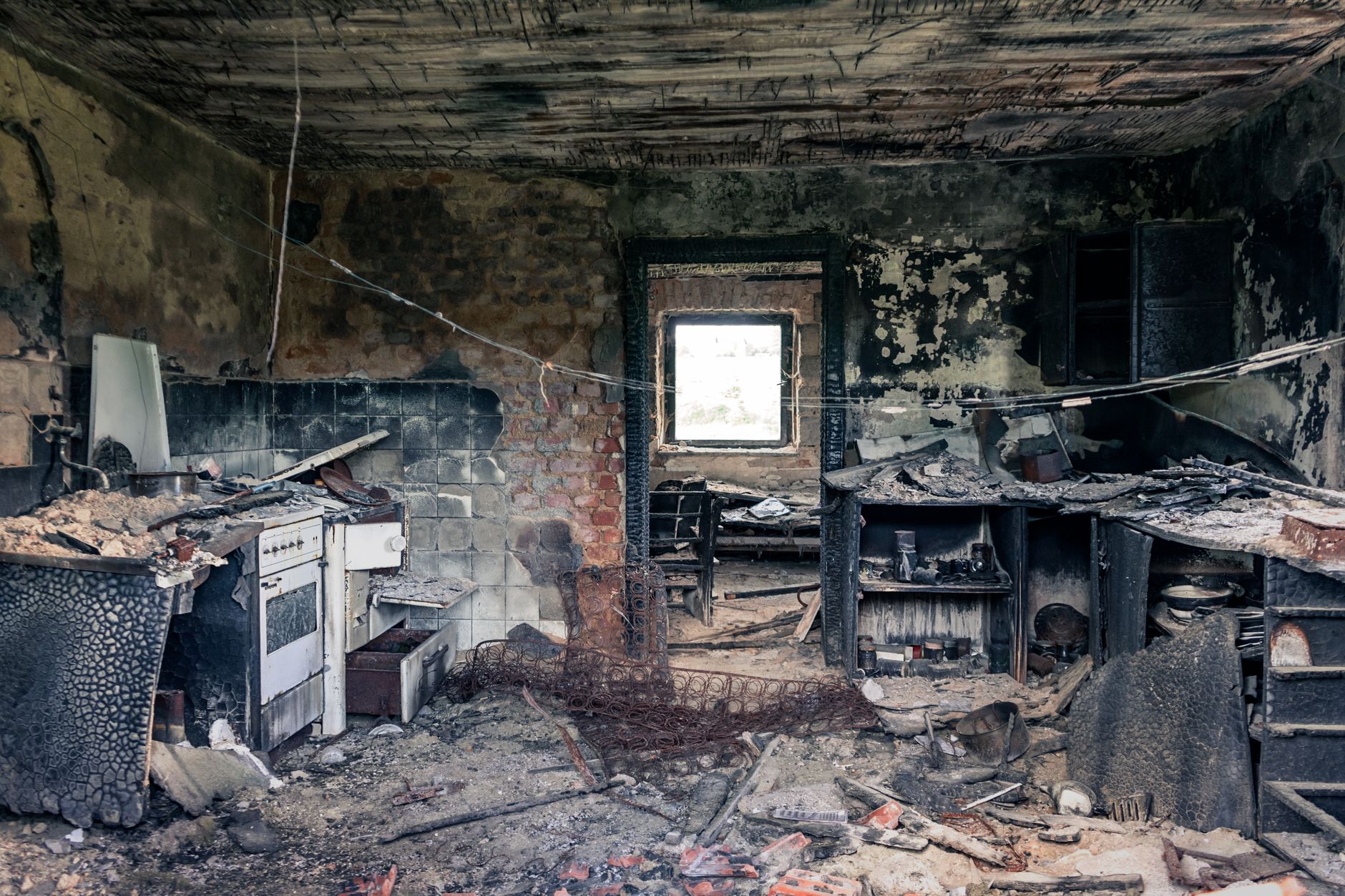
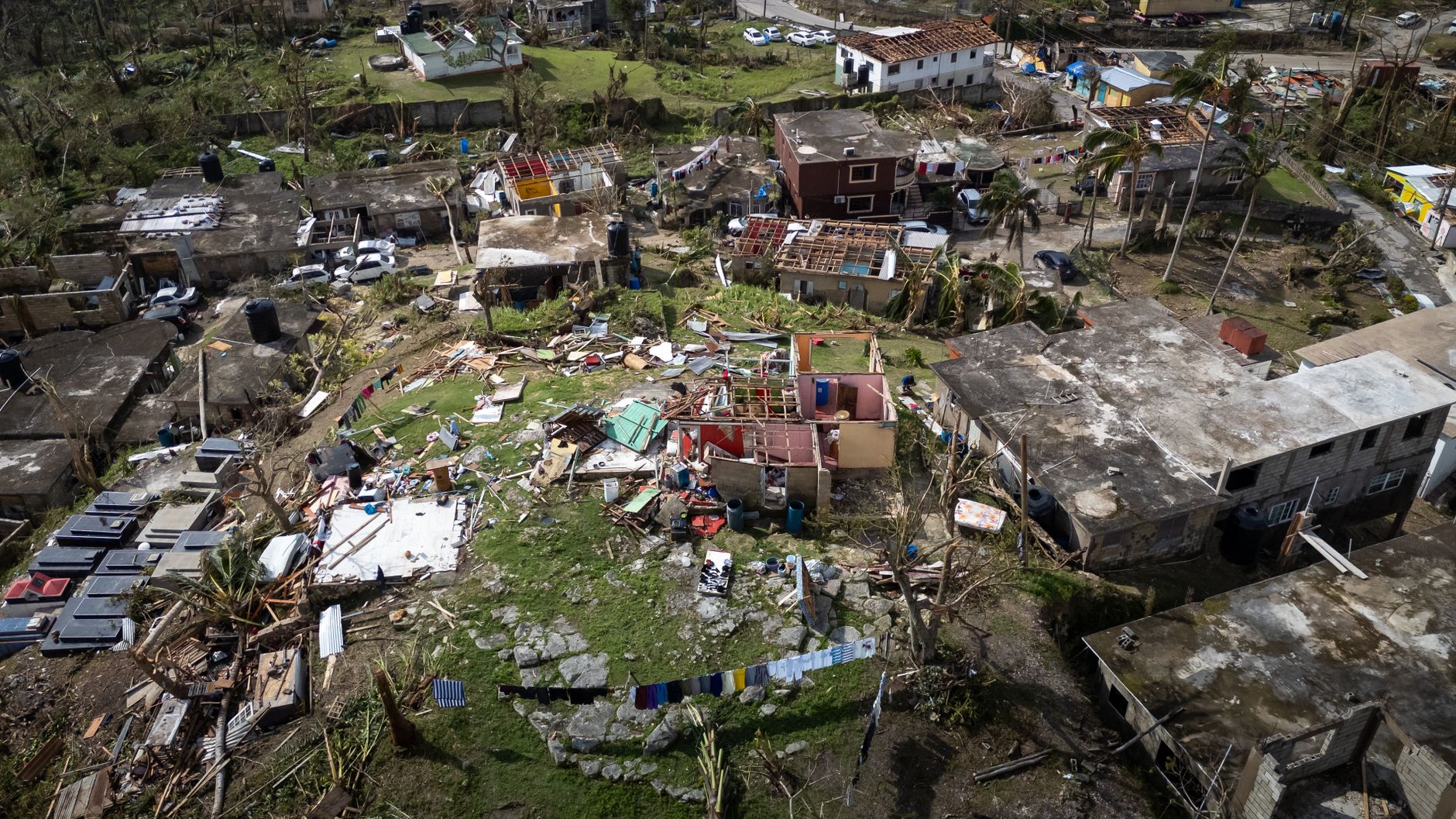
After a storm, the first step is to assess the damage thoroughly. This includes inspecting the roof, windows, doors, and the structure of your home. Water damage is often one of the most significant concerns, as it can lead to mold growth and structural issues if not addressed promptly. If you notice water pooling in your basement or leaks from your ceiling, it’s essential to act quickly.
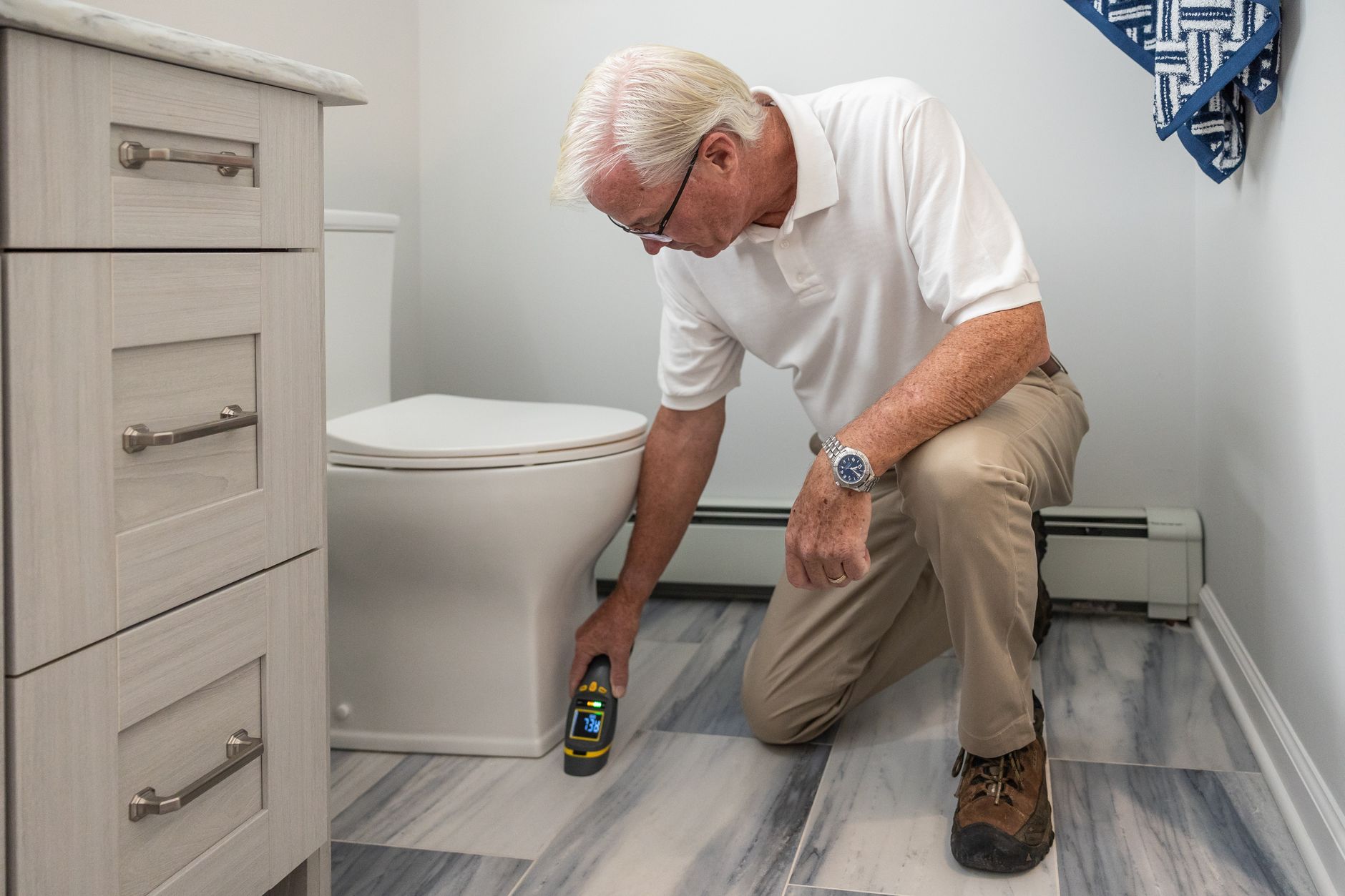
While assessing the damage, consider the following:
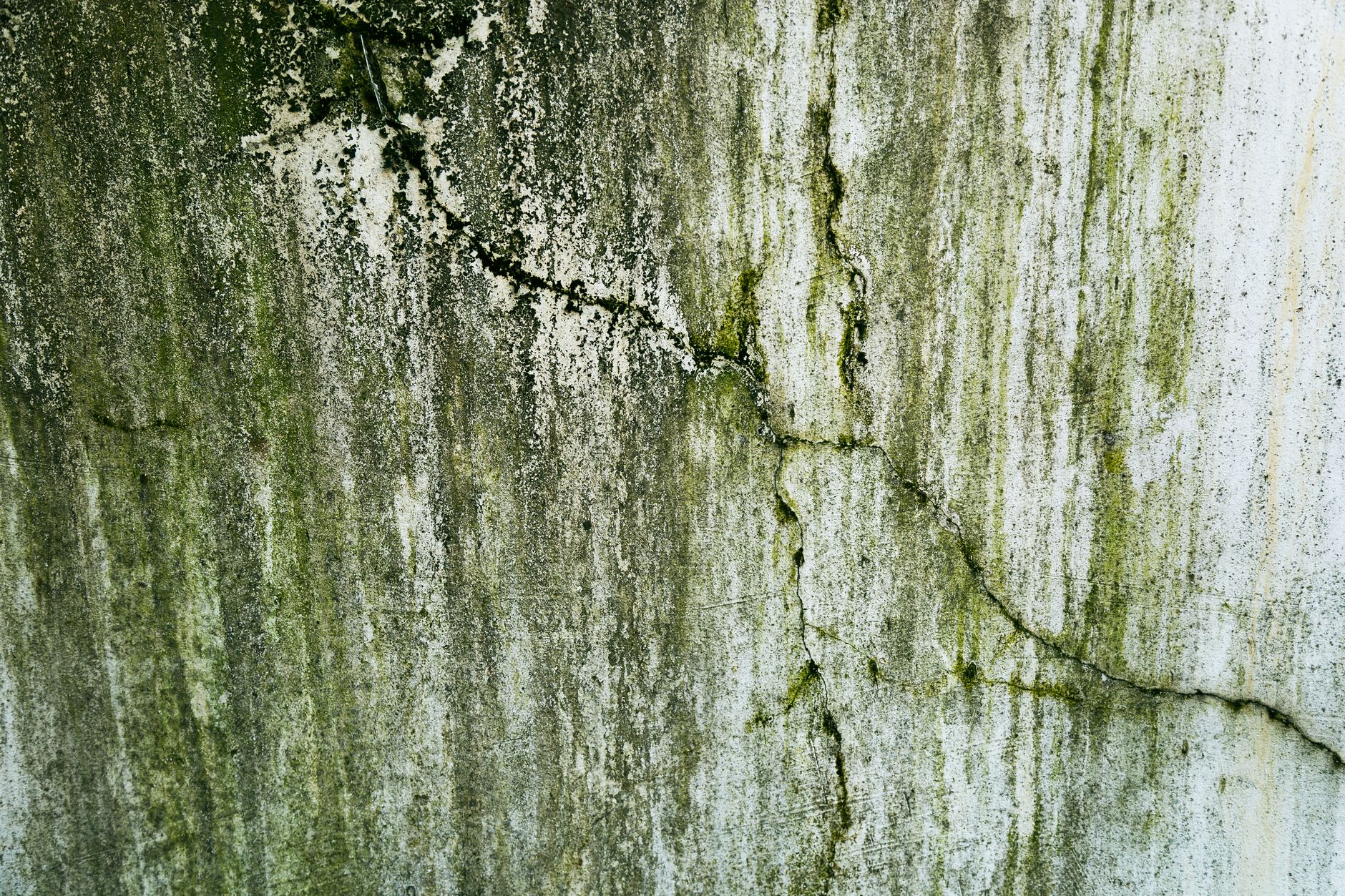
- Look for signs of water intrusion, such as discoloration on walls or ceilings.
- Check for structural integrity issues, like sagging or cracked beams.
- Document everything with photographs for insurance purposes.
Contacting Professionals
Once you have a clear understanding of the damage, the next step is to contact restoration professionals. A qualified restoration contractor can help mitigate further damage and begin the reconstruction process. In Broward, you can find experienced teams ready to assist you. For example, Coconut Creek’s 24-Hour Water Damage Restoration service can respond quickly to your needs.
It's crucial to choose a contractor who is licensed and insured. This not only protects your investment but also ensures that the work is performed to local codes and standards. Ask for references and check online reviews to get a sense of their reputation.
Working with Insurance
Dealing with insurance claims can be a daunting task, especially in the wake of a storm. Make sure to contact your insurance company as soon as possible to report the damage. They will guide you through the claims process, which will often require detailed documentation of the damage and any repairs made.
When filing a claim, it’s helpful to:
- Keep thorough records of all communications with your insurer.
- Document your expenses related to temporary housing, repairs, and restoration.
- Be proactive in following up on your claim to avoid delays.
Reconstruction and Repairs
Once your insurance claims are approved, the reconstruction phase can begin. This stage may involve everything from repairing drywall to replacing entire sections of your roof. It’s important to work closely with your restoration contractor during this time to ensure that all repairs meet your expectations and address the damage adequately.
Additionally, consider upgrading certain aspects of your home during the reconstruction. For instance, if your roof was damaged, you might want to invest in more durable materials that can withstand future storms. Similarly, if mold was a concern, addressing air quality with air duct mold removal can prevent future issues.
Long-Term Preparedness
While dealing with the aftermath of a storm can be stressful, it also offers an opportunity to prepare better for future events. Investing in preventative measures can significantly reduce the risk of extensive damage next time around. Consider installing flood barriers, reinforcing your roof, or scheduling regular maintenance checks for your plumbing systems. Broward homeowners can also benefit from insights shared in articles like How Broward Homeowners Can Prepare for Plumbing Issues During Heavy Rainfall.
In conclusion, navigating post-storm reconstruction in Broward County may seem daunting, but with the right knowledge and support, it can be a manageable process. Always prioritize safety, act quickly, and don’t hesitate to reach out to professionals who can guide you through this challenging time.
For any emergency plumbing needs during your repairs, consider reaching out to experts like Broward Plumbing Pros. For specific services, check out their AC Drain Line Leak service in Coconut Creek.