How To Identify Electrical Hazards After Fire Damage In Your Broward Home
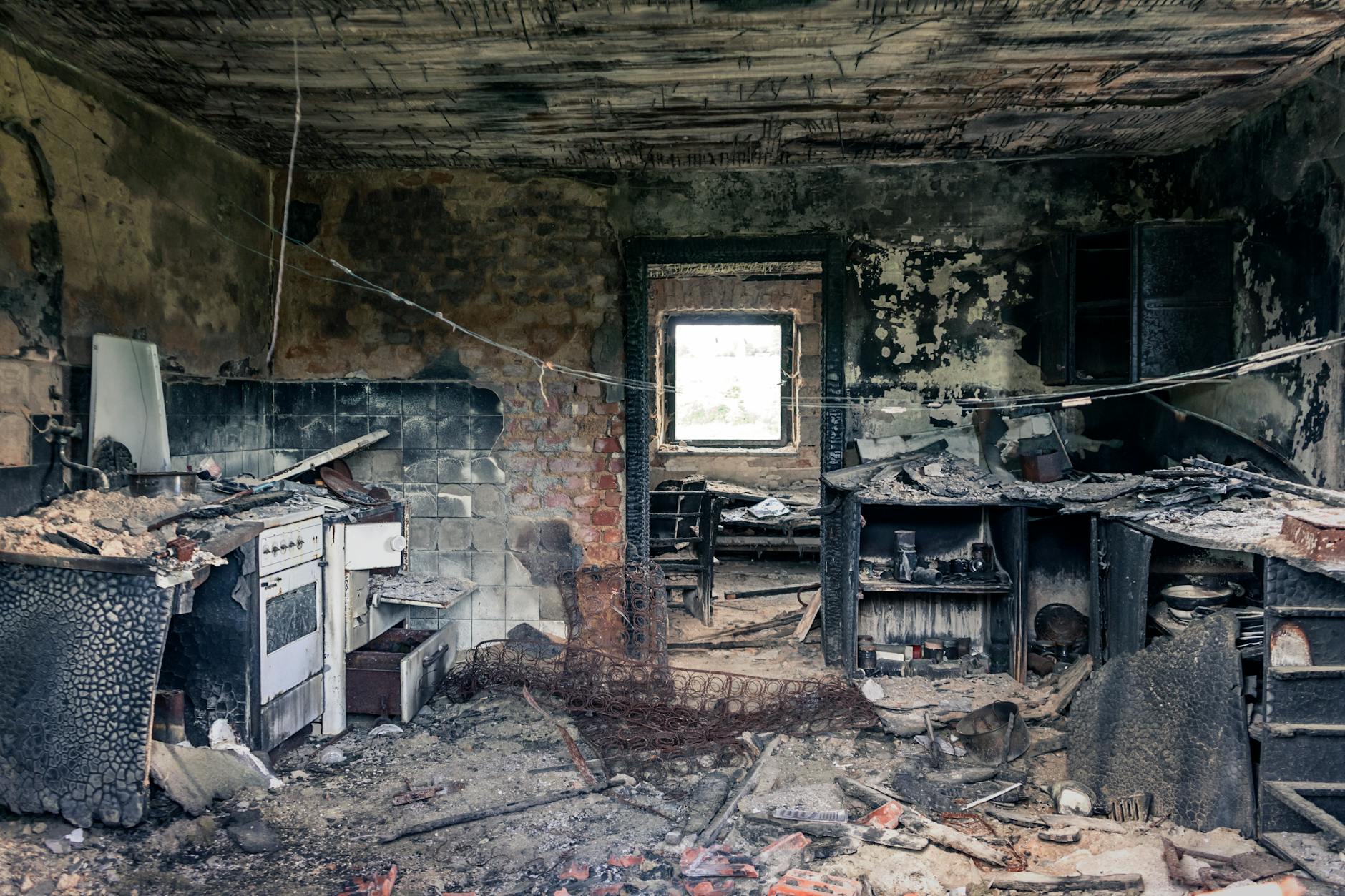
Experiencing a fire in your home can be one of the most traumatic events a homeowner can face. The aftermath is not only emotionally taxing but also poses numerous safety risks, particularly concerning electrical hazards. After the flames have been extinguished and the firefighters have left, it’s essential to assess your home for potential electrical dangers that could linger long after the smoke has cleared.
Electrical systems are intricately linked to the overall safety of your home, and fire can severely compromise their integrity. Here are some practical steps you can take to identify electrical hazards after fire damage.
Understanding the Risks
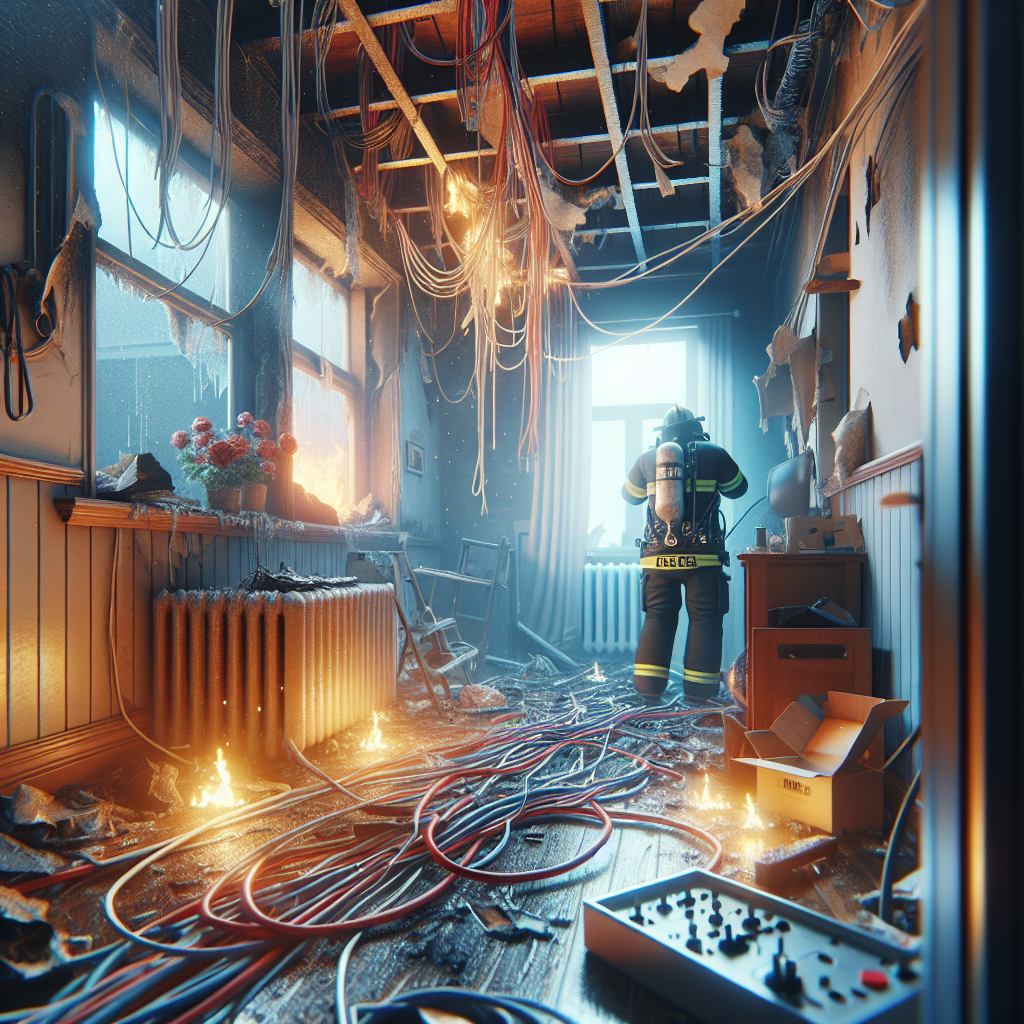
Fire can cause various types of damage to electrical systems. Wiring can become frayed, appliances may short-circuit, and even the smallest ember can lead to future electrical issues. The first step in ensuring your home is safe is to understand the risks:
- Wiring Damage: Heat from the fire can melt insulation, exposing wires and creating short-circuits.
- Appliance Damage: Appliances that were near the fire can sustain significant electrical damage, making them hazardous to use.
- Smoke Residue: Smoke can create a conductive residue that may lead to electrical shorts if not properly cleaned.
Steps to Identify Electrical Hazards
After a fire incident, take the following steps to check for electrical hazards:
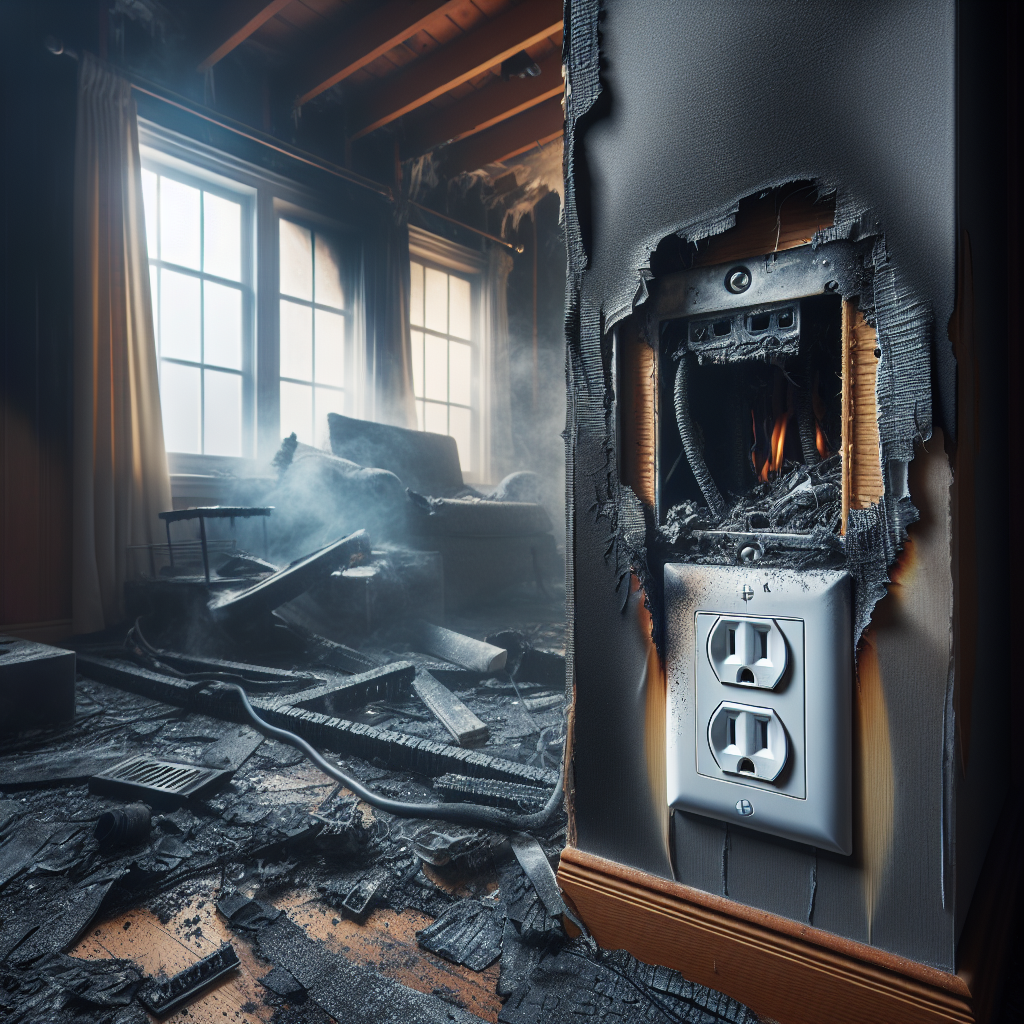
- Visual Inspection: Begin with a thorough visual inspection of all electrical outlets, switches, and appliances. Look for signs of burn marks, discoloration, or melted plastic.
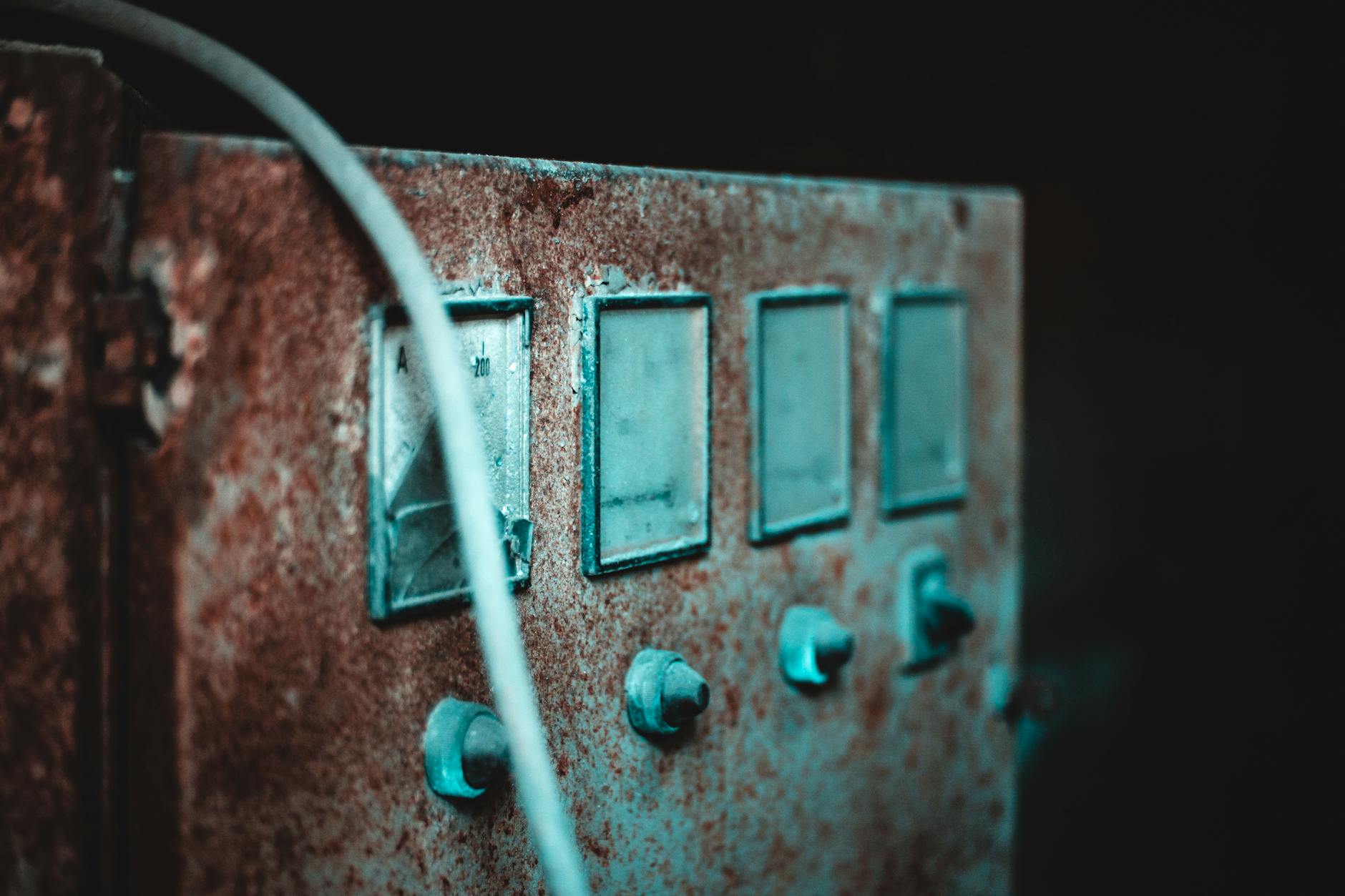
- Check the Circuit Breaker: Inspect your circuit breaker for any tripped switches or signs of damage. If you notice any breaks in the circuit, do not attempt to reset them until a professional has assessed the situation.
- Smell for Burnt Wires: If you notice a burnt smell near outlets or switches, this could indicate wiring damage that requires immediate attention.
- Examine Your Wiring: If safe to do so, check exposed wiring for damage. If wires are frayed, exposed, or look burnt, they need to be replaced.
- Consult a Professional: Always consider hiring a licensed electrician to conduct a thorough evaluation of your electrical system. They can identify hazards that may not be visible to the untrained eye.
When to Call a Restoration Professional
If you notice significant damage or are unsure about the extent of the electrical hazards, it’s crucial to contact a restoration professional. They have the expertise and tools necessary to safely assess and address any issues. Broward Restoration Pros can help restore your home to a safe condition after fire damage.
Preventing Future Electrical Hazards
Once the immediate hazards have been addressed, it’s important to think about prevention. Regular maintenance and inspections can help identify electrical issues before they become serious problems. Here are some tips:
- Schedule routine inspections with a licensed electrician.
- Upgrade old wiring systems to meet current safety standards.
- Install smoke detectors and ensure they are functioning properly.
In addition to these proactive measures, educating yourself about potential plumbing issues in your home can also be beneficial. For instance, Broward Plumbing Pros offers services related to plumbing issues that can arise after fire damage, such as AC drain line leaks that may not be immediately obvious but can lead to further complications.
After a fire, it’s also wise to consider the potential for water damage in your home, especially from firefighting efforts. Water can create its own set of problems, including mold. For insights on how water can affect your home, take a look at this helpful blog post about pipe leaks and their implications.
Conclusion
Identifying electrical hazards after fire damage is a crucial step in the recovery process. By following these guidelines and consulting with professionals when needed, you can ensure your home remains safe for you and your family. Remember, safety first—never hesitate to reach out for help when dealing with the aftermath of a fire.