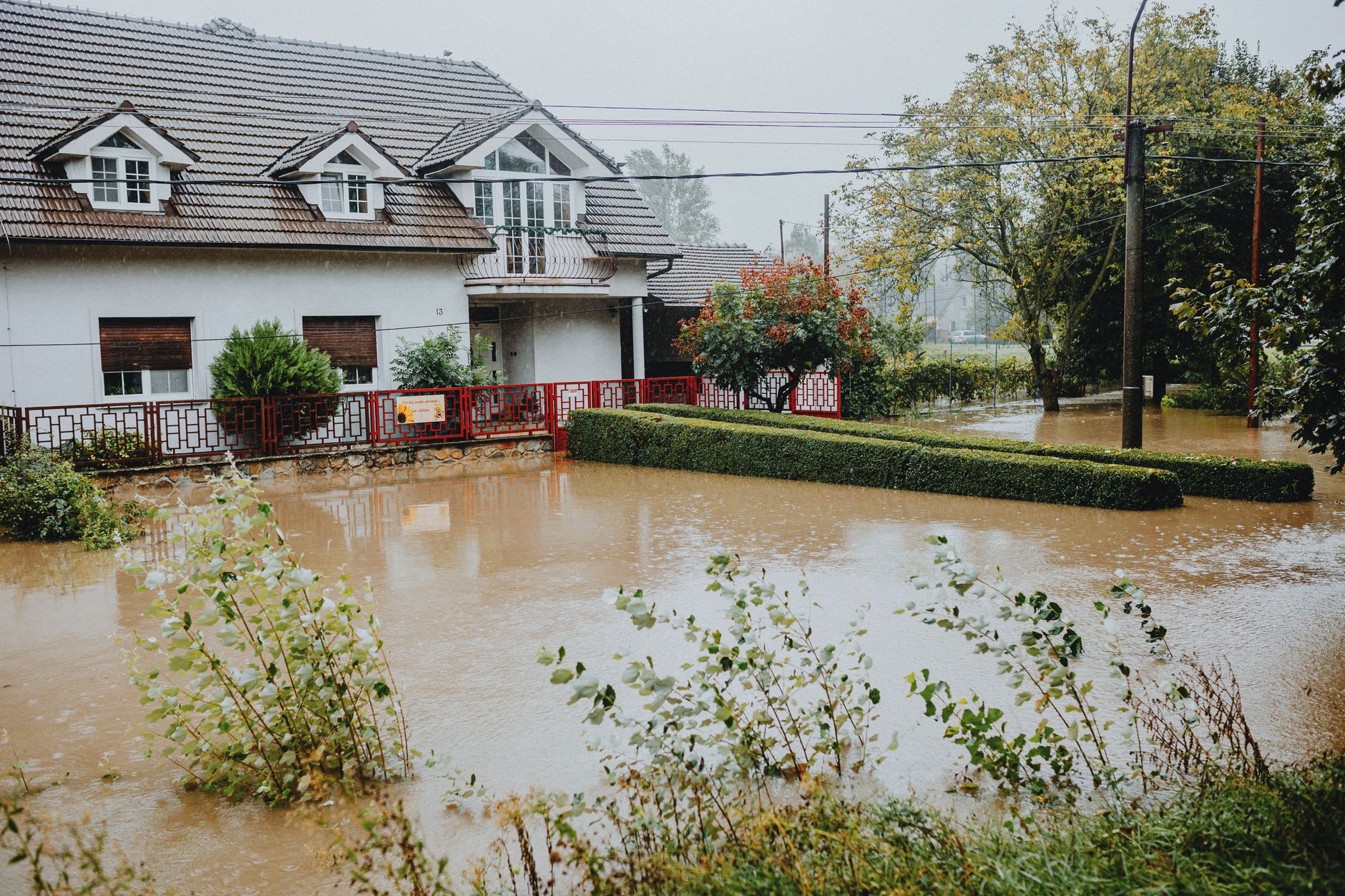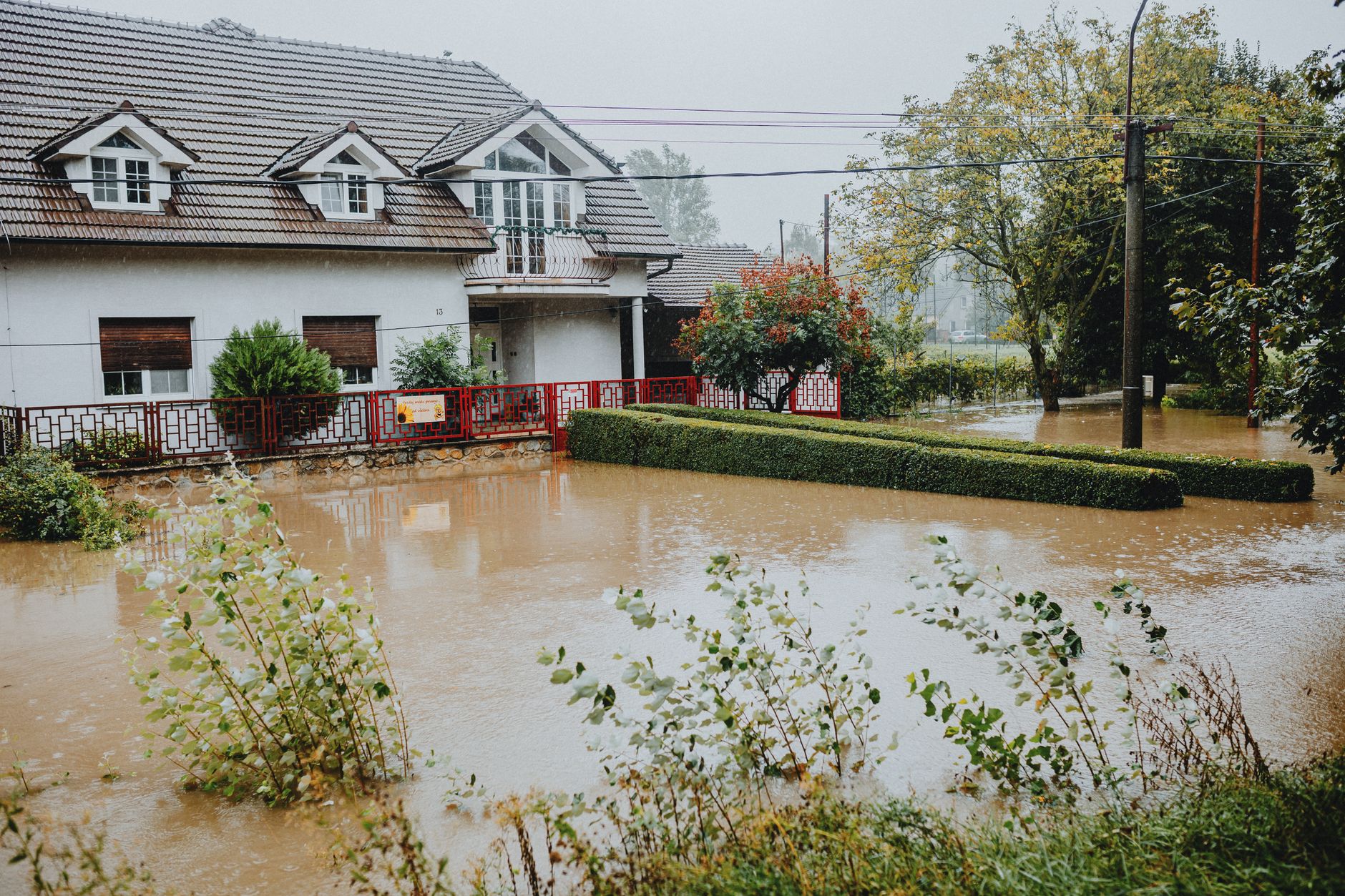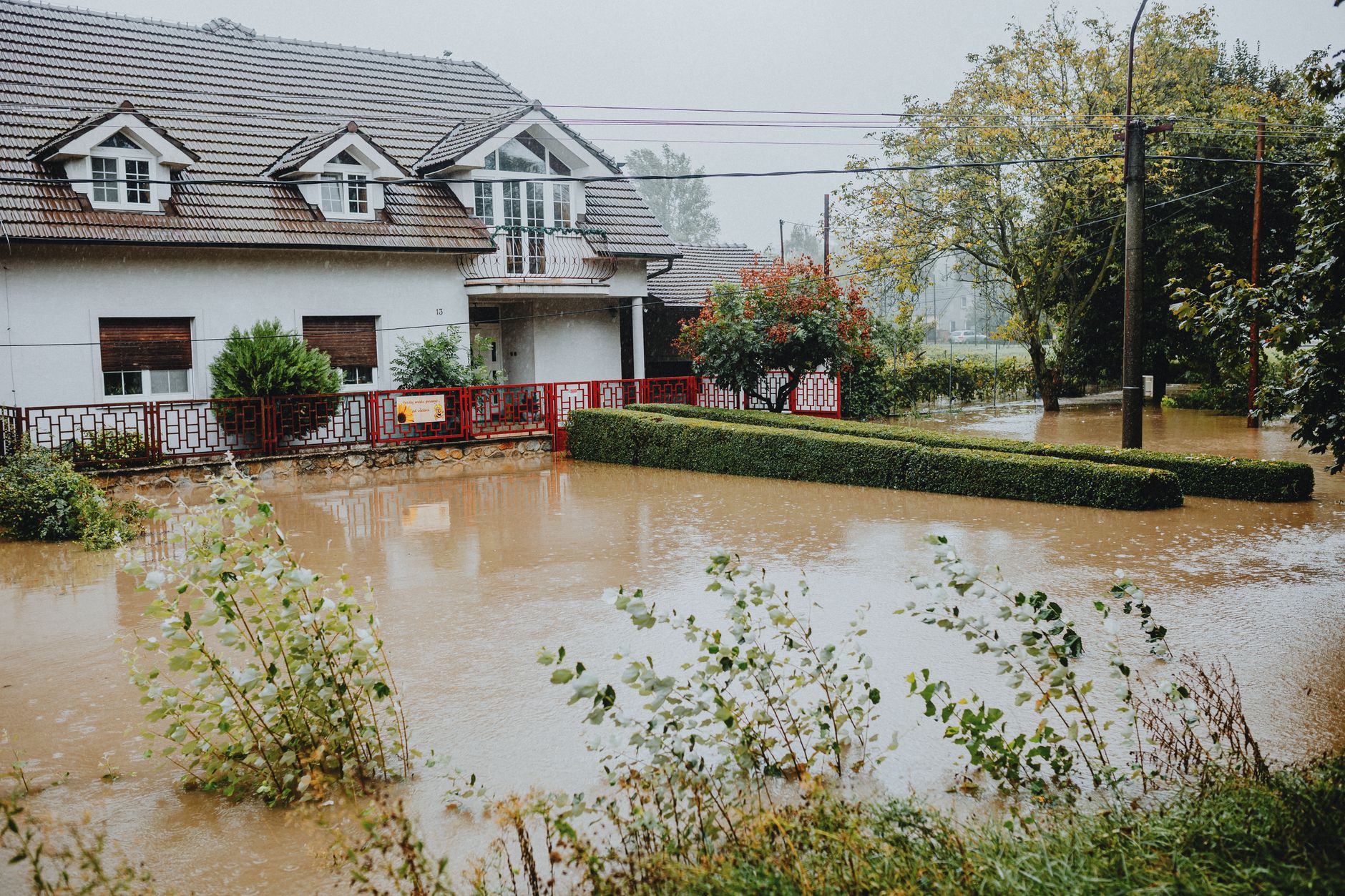
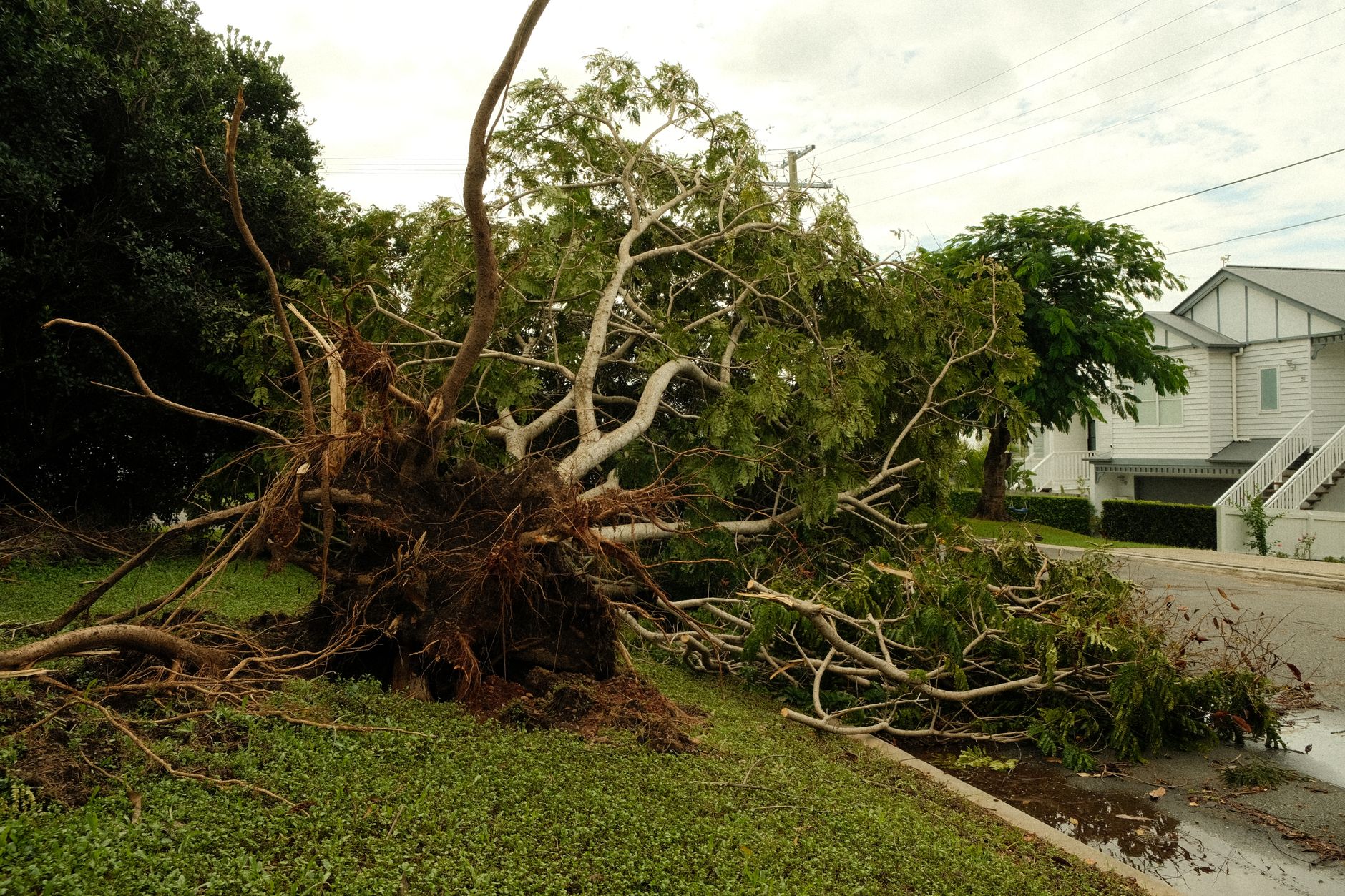
How To Identify Structural Weaknesses After Severe Storm Damage In Broward
Severe storms can wreak havoc on your property, leaving behind not just visible damage but also hidden structural weaknesses that can pose serious risks. As a homeowner in Broward, it’s crucial to understand how to identify these weaknesses after a storm. This knowledge not only ensures the safety of your family but also helps in protecting your investment.
After a severe storm, the first step is to conduct a thorough inspection of your property. Start with the exterior; look for any signs of damage such as missing shingles, broken windows, or cracks in the foundation. These are often the most visible indicators of structural issues. It’s important to remember that even if the damage seems minor, it can sometimes point to more significant underlying problems.
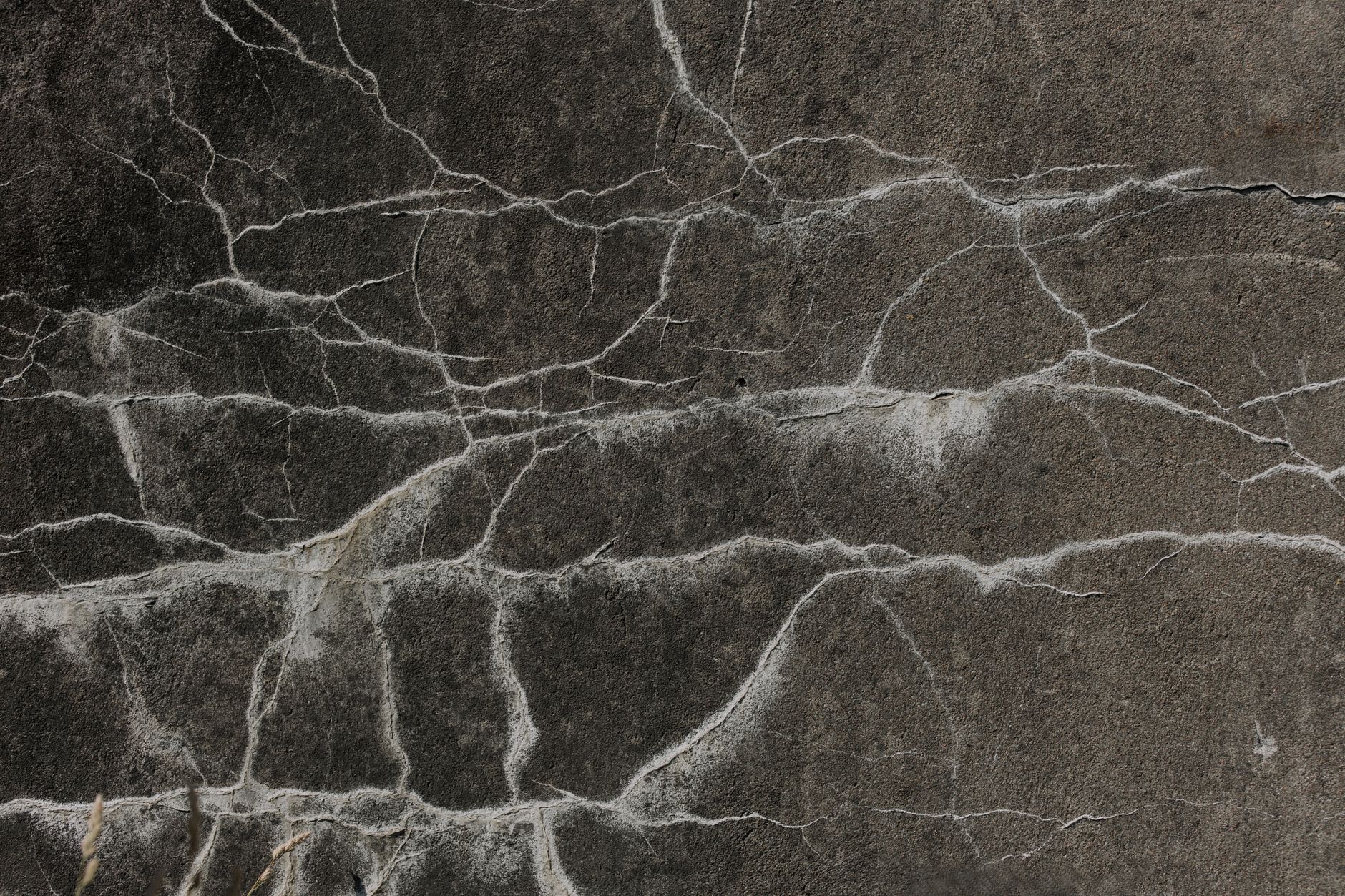
Key Areas to Inspect
While inspecting your property, pay close attention to the following areas:
- Roof: Check for missing or damaged shingles, sagging sections, or leaks. A compromised roof can lead to water damage inside your home.
- Walls: Look for cracks or bulges in your exterior and interior walls. These can indicate shifting foundations or other serious structural issues.
- Foundation: Inspect the foundation for cracks or signs of water pooling. A stable foundation is essential for the integrity of your home.
- Windows and Doors: Ensure that they open and close properly. Misaligned windows and doors can signal structural shifts.
Once you have conducted your visual inspection, it’s wise to document any damage with photographs and notes. This documentation can be invaluable, especially when discussing repairs with contractors or filing insurance claims.
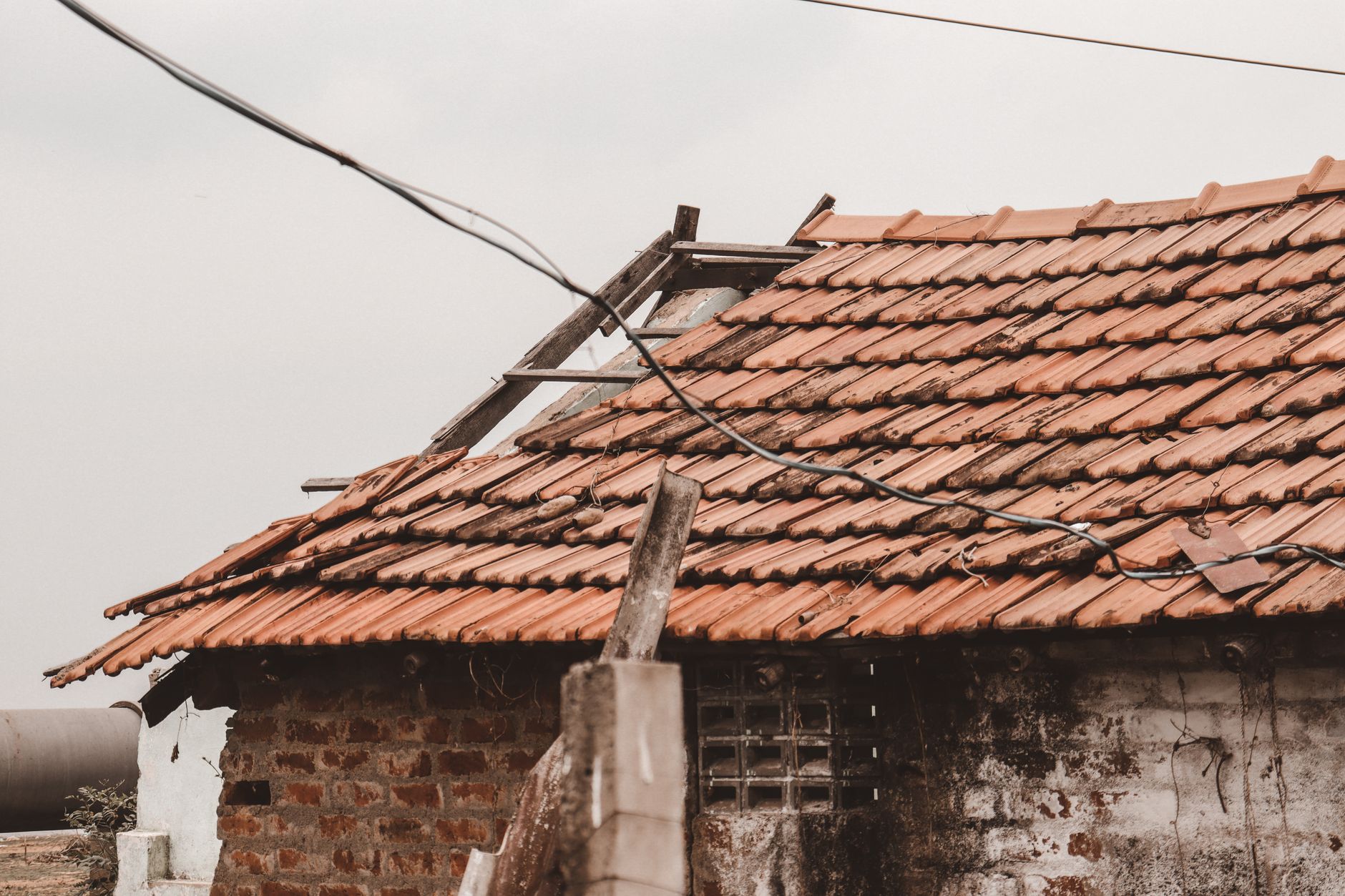
When To Call a Professional
If you notice significant damage or if you're unsure about the severity of the weaknesses, it’s essential to contact a restoration and mitigation professional. They have the expertise and tools to assess structural integrity thoroughly. For example, a mitigation contractor can use specialized equipment to detect moisture levels and other hidden problems that may not be visible to the naked eye.
In Broward, you can reach out to Broward Restoration Pros for immediate assistance. Their team is trained to handle storm damage and can guide you through the recovery process. It’s always better to err on the side of caution, especially when it comes to your family’s safety.

Understanding the Repair Process
After a professional assessment, you will likely receive a detailed report outlining the necessary repairs. This may include anything from roof replacement to foundation repairs. It’s important to discuss all options with your contractor to understand the implications of each repair and how it may affect your home’s overall integrity.
Additionally, if your property suffered damage, you might want to consider the plumbing system as well. Storms can impact your pipes and drainage systems. For plumbing-related concerns, you can refer to Broward Plumbing Pros for further assistance.
Preventative Measures for the Future
Once your property is repaired, consider taking preventative measures to minimize future damage. This may involve:
- Regular maintenance checks on your roof and gutters.
- Installing storm shutters or impact-resistant windows.
- Ensuring proper drainage around your property to prevent water buildup.
By being proactive, you can protect your home from the devastating effects of severe storms in the future. For more tips on preparing your property for storms, check out this insightful article on enhancing plumbing resilience against storm surges.
In conclusion, identifying structural weaknesses after severe storm damage is crucial for ensuring the safety and longevity of your home. By conducting thorough inspections, documenting any damage, and consulting with professionals, you can effectively manage the aftermath of a storm and safeguard your property for years to come.