
The Importance Of Swift Mold Remediation After A Flood In Broward County
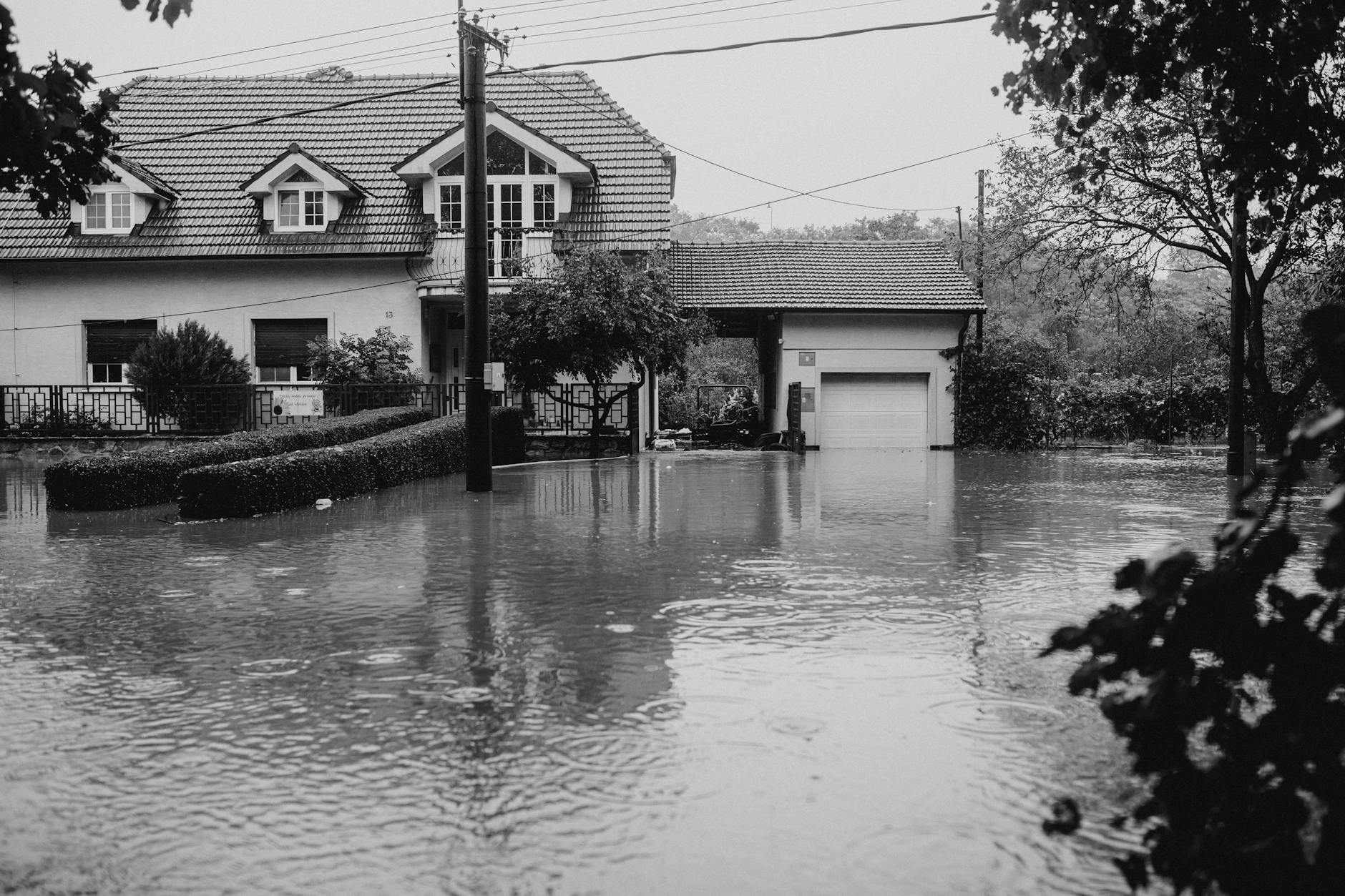
Experiencing a flood can be one of the most distressing events for any homeowner. The sudden surge of water can cause significant damage to your property, leading to a myriad of challenges. One of the most critical concerns that often follows a flood is the risk of mold growth. Understanding the importance of swift mold remediation after a flood in Broward County is essential to protect your home and health.
Why Mold Grows After Flooding
Floods introduce excess moisture into homes, creating an ideal environment for mold spores to thrive. Mold can begin to grow within 24 to 48 hours after water exposure, and with the humid conditions typical in Broward County, this timeline is even more critical. Common areas for mold growth include basements, crawl spaces, and around water-damaged materials like drywall and carpets.

The Health Risks of Mold Exposure
Mold is not just a nuisance; it poses serious health risks to you and your family. Exposure to mold can lead to respiratory issues, allergic reactions, and aggravation of asthma symptoms. Children, the elderly, and those with pre-existing health conditions are particularly vulnerable. Therefore, taking immediate action to remediate mold is not just about protecting your property; it’s about safeguarding your family’s health.
Steps to Take for Mold Remediation
If your home has experienced flooding, here are some steps you can take to address potential mold issues:

- Assess the Damage: Begin by thoroughly inspecting your home for signs of water damage and mold growth.
- Remove Affected Materials: Dispose of any items that cannot be dried or cleaned, such as soaked carpets or drywall.
- Dry the Area: Use fans and dehumidifiers to dry out your home as quickly as possible. This is crucial as mold thrives in damp environments.
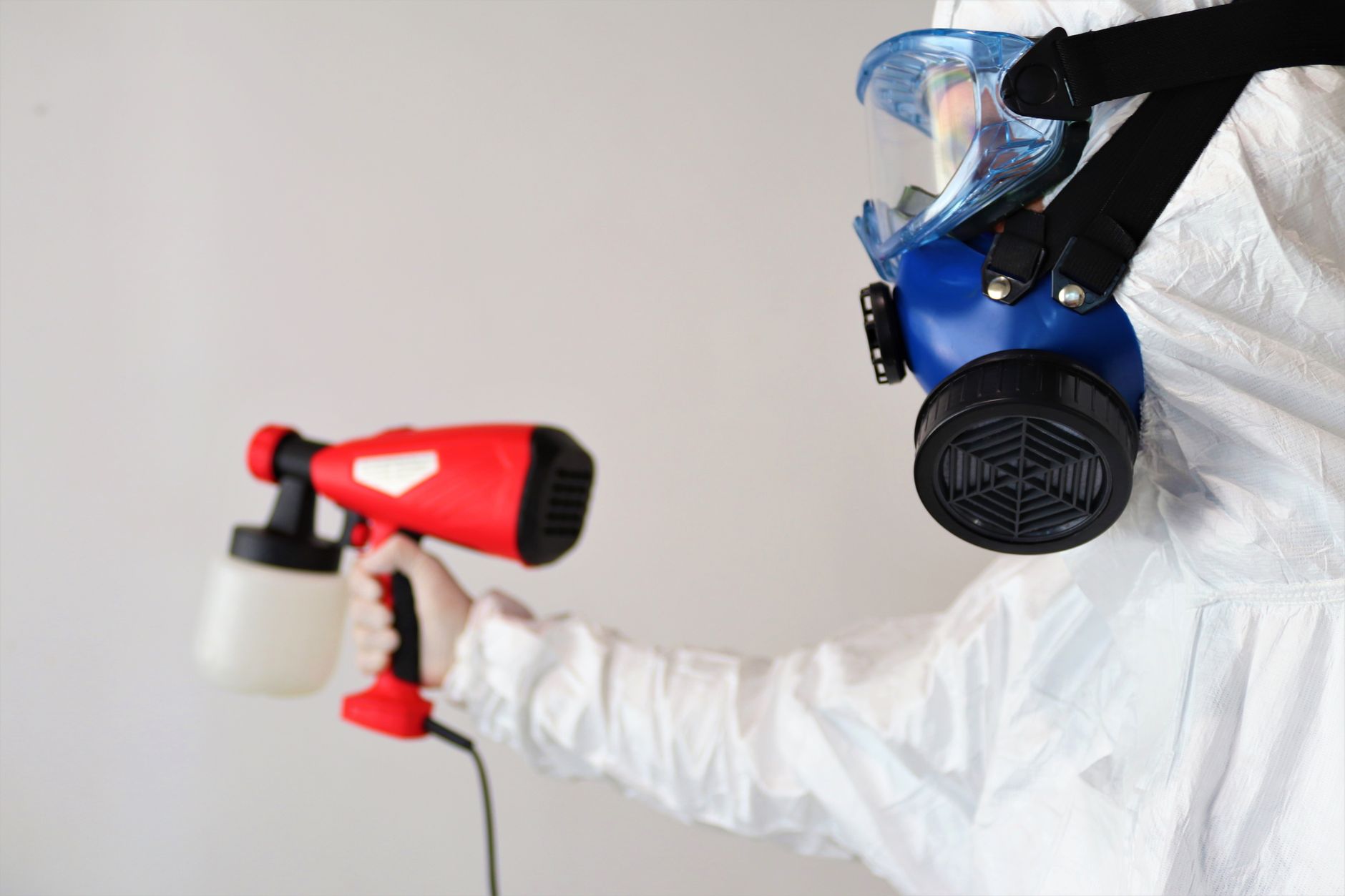
- Contact Professionals: Hiring a certified mold remediation specialist can ensure that the mold is effectively removed and that your home is safe.
When to Call a Professional
While homeowners can take some initial steps to mitigate mold growth, it is often best to call in the professionals. If you notice extensive mold growth, or if mold is present in hard-to-reach areas, a professional restoration company like Broward Restoration Pros can provide the expertise and equipment needed to handle the situation safely and effectively. They can also assist with the water removal process, ensuring that your home is returned to a safe and livable condition.
Insurance Considerations
After a flood, it's important to review your homeowner's insurance policy. Many policies cover flood damage, but mold remediation may be a separate consideration. Be sure to document all damage and contact your insurance provider to understand what is covered under your policy.
Preventing Future Mold Growth
After remediation, there are steps you can take to prevent future mold growth. Make sure to keep your home well-ventilated, use dehumidifiers in humid areas, and regularly check for leaks. Regular maintenance of your plumbing system can also help prevent water damage that could lead to mold issues. If you’re experiencing plumbing issues, consider reaching out to experts like Broward Plumbing Pros for assistance.
Conclusion
Swift mold remediation after a flood is not only crucial for the integrity of your property but is also essential for your family's health. By acting quickly, you can mitigate the risks associated with mold growth and ensure your home is safe and comfortable again. Don’t hesitate to reach out for professional help, and remember to take preventive measures to guard against future incidents. For further guidance on home maintenance, check out this informative article on how to choose the right plumber.