
The Essential Guide To Post-Storm Water Damage Assessment In Broward Homes
After a powerful storm passes through Broward County, the aftermath can leave homeowners feeling overwhelmed and anxious. Water damage from heavy rains, flooding, or even leaks can wreak havoc on your property, making it crucial to act swiftly. Understanding how to assess the extent of water damage is essential for protecting your home and ensuring a thorough recovery process.
When the storm subsides, the first instinct might be to inspect the property immediately. However, safety should always come first. Before stepping outside or into any affected areas, check for hazards such as downed power lines or structural damage. If it’s safe, begin your assessment by documenting any visible damage, taking photographs for your records and insurance claims.

Identifying Areas Affected by Water Damage
Start your assessment from the outside. Look for:
- Flooding: Check for standing water around your home, especially in the basement or crawl spaces.
- Roof Damage: Inspect your roof for missing shingles or leaks, which can allow water to enter your home.
- Foundation Issues: Look for cracks in your foundation or water pooling against your home’s walls.
Once you have evaluated the exterior, it’s time to move indoors. Water damage can manifest in various ways:
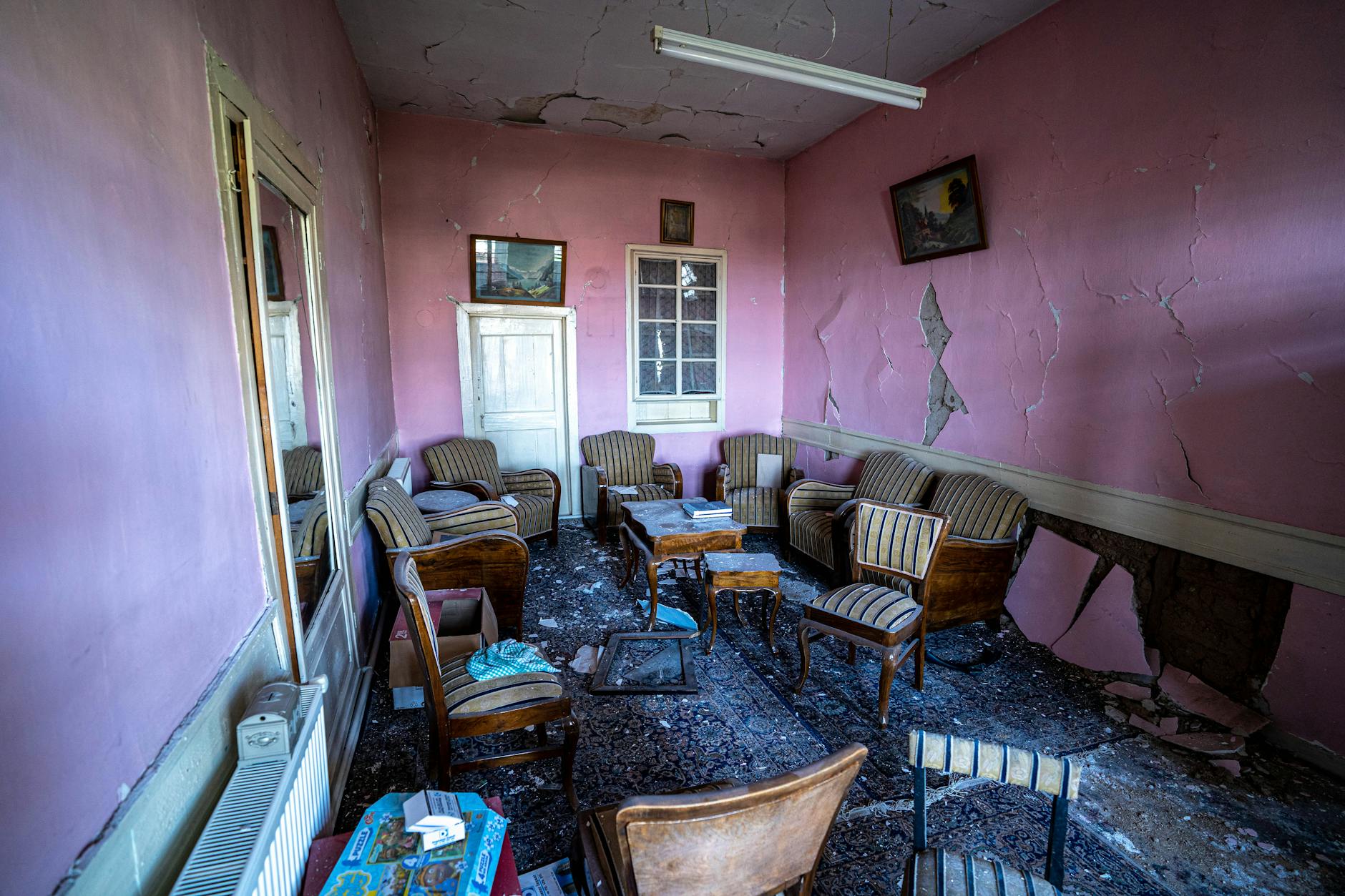
- Walls and Ceilings: Look for discoloration, peeling paint, or bulging areas, indicating water intrusion.
- Floors: Check for warped or buckled flooring materials, which can signal significant water damage.
- Electrical Systems: Be cautious around electrical outlets and appliances that may have been exposed to water.
As you document the damage, keep in mind that some issues may not be immediately visible. Hidden moisture can lead to mold growth and structural problems down the line. If you suspect that water has penetrated walls or floors, consider contacting a professional for a thorough inspection.
When to Call a Restoration Professional
If your home has sustained significant water damage, it’s important to consult with a restoration expert. They will have the tools and experience necessary to assess the damage accurately and recommend appropriate mitigation strategies. For smaller issues, such as minor leaks, you might be able to handle the cleanup yourself. However, if you encounter:
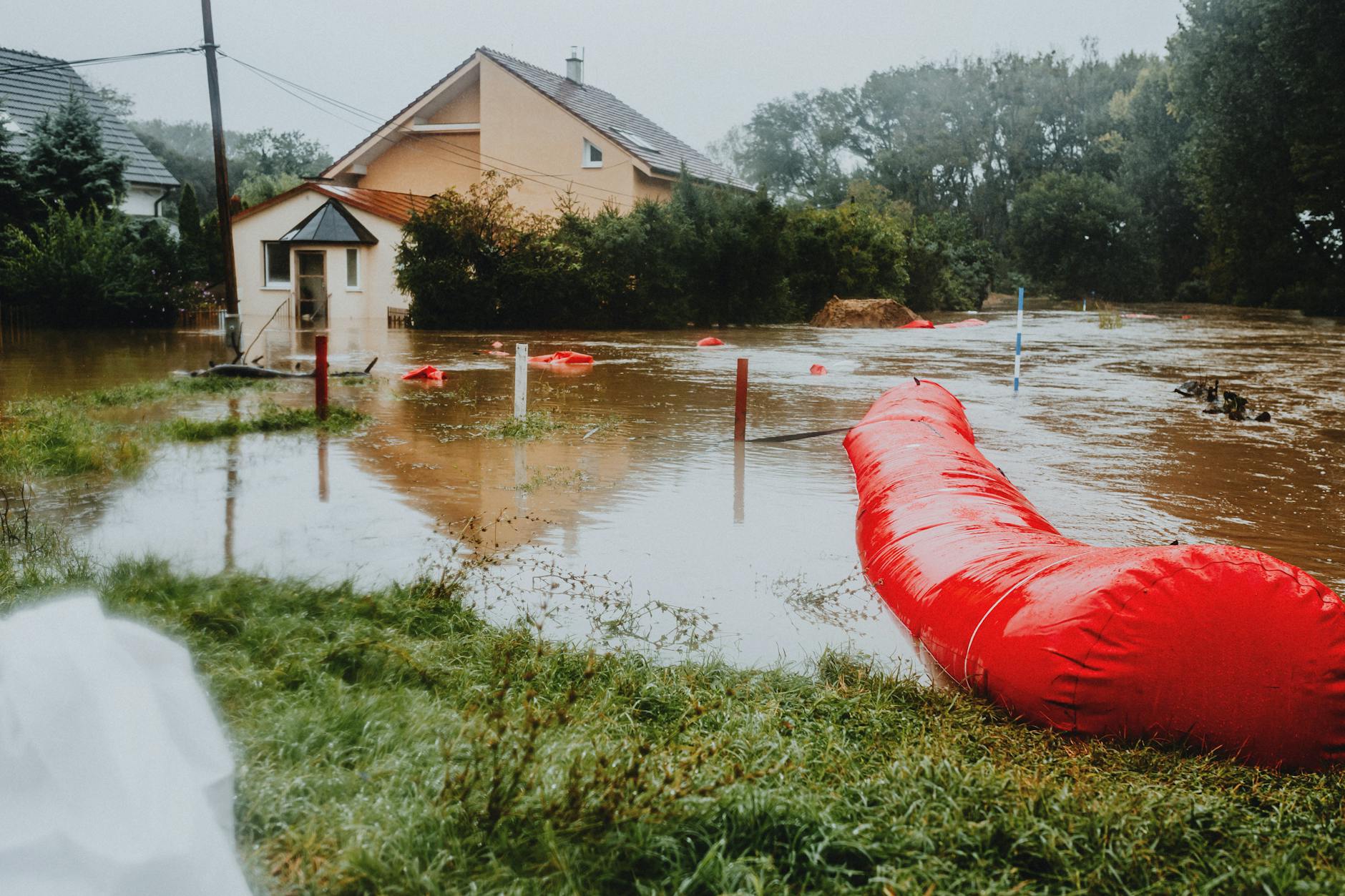
- Extensive flooding
- Damaged electrical systems
- Signs of mold growth
then it is best to enlist the help of professionals who specialize in water damage remediation. They can help prevent further damage and health risks associated with mold exposure.
Insurance Considerations
Documenting your damage thoroughly will also help when it comes time to file an insurance claim. Make sure to keep all records, including photographs, receipts for repairs, and any correspondence with your insurance provider. Understanding your policy coverage for water damage is essential, as not all policies cover flooding or storm-related damage. If you’re unsure about your coverage, reach out to your insurance agent for clarification.
Next Steps for Recovery
Once you have assessed the damage and consulted professionals, it’s time to start the recovery process. This may involve:
- Water Extraction: Removing standing water as soon as possible.
- Drying and Dehumidification: Using commercial-grade equipment to dry out affected areas.
- Repair and Restoration: Fixing any structural damage and restoring your home to its pre-loss condition.
The recovery process can be stressful, but knowing the steps to take can help ease some of that burden. Remember, you don’t have to navigate this alone; professionals are available to assist you through each stage.
For further assistance, consider reaching out to local experts. For plumbing-related issues, Broward Plumbing Pros offers a range of services that might be helpful. Additionally, you can learn more about preventing future water damage by checking out this helpful article on preventing water damage.
In conclusion, assessing water damage after a storm is a critical step in safeguarding your home. By taking the time to evaluate the situation methodically, you can ensure a smoother recovery process for you and your family. Stay safe and proactive!