How To Safeguard Your Home Against Mold Growth After Water Damage
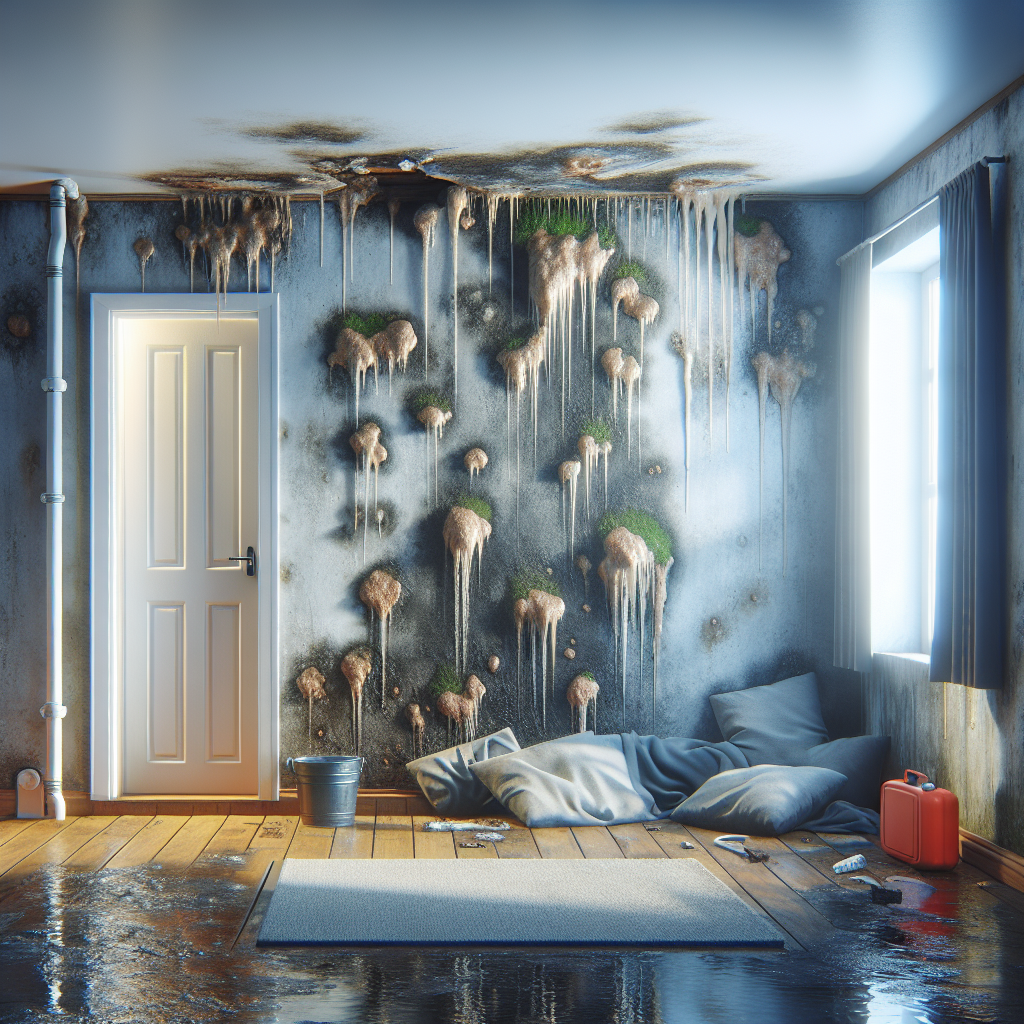
Experiencing water damage can be one of the most distressing situations a homeowner can face. Whether it's due to a sudden pipe burst, a leaky roof, or a malfunctioning appliance, the aftermath is often overwhelming. One of the most pressing concerns after any water damage incident is the potential for mold growth. Mold can develop quickly in damp environments, leading not just to structural issues in your home but also to health concerns for you and your family. Understanding how to safeguard your home against mold growth is essential for any homeowner.
First and foremost, it’s critical to address the water damage as soon as possible. The longer water sits, the more likely it is for mold spores to take root. Here are some steps to minimize the risk:

- Identify and Stop the Source: Whether it’s a leak, flood, or pipe burst, stopping the water source is your first step.
- Dry Out the Area: Use fans, dehumidifiers, and open windows to promote airflow and reduce moisture levels. Aim to dry the affected area within 24-48 hours.
- Remove Damaged Materials: Porous materials like drywall, carpeting, and upholstery can harbor mold. It’s often necessary to remove and dispose of these items.
- Clean and Disinfect: Use a mixture of water and detergent to clean surfaces. For areas with visible mold, consider using an antimicrobial treatment to kill spores.
After taking these initial steps, it’s wise to monitor the area regularly. If you notice any signs of mold returning, you may need to consult with a professional restoration expert. Broward Restoration Pros specializes in water damage restoration and can provide comprehensive services, ensuring your home is free from mold risks.
Another crucial aspect of mold prevention is the maintenance of your home’s ventilation. Ensure that your bathrooms, kitchen, and laundry areas are well-ventilated. Consider installing exhaust fans if you haven’t already. Proper airflow can significantly reduce humidity levels, making it less likely for mold to thrive.
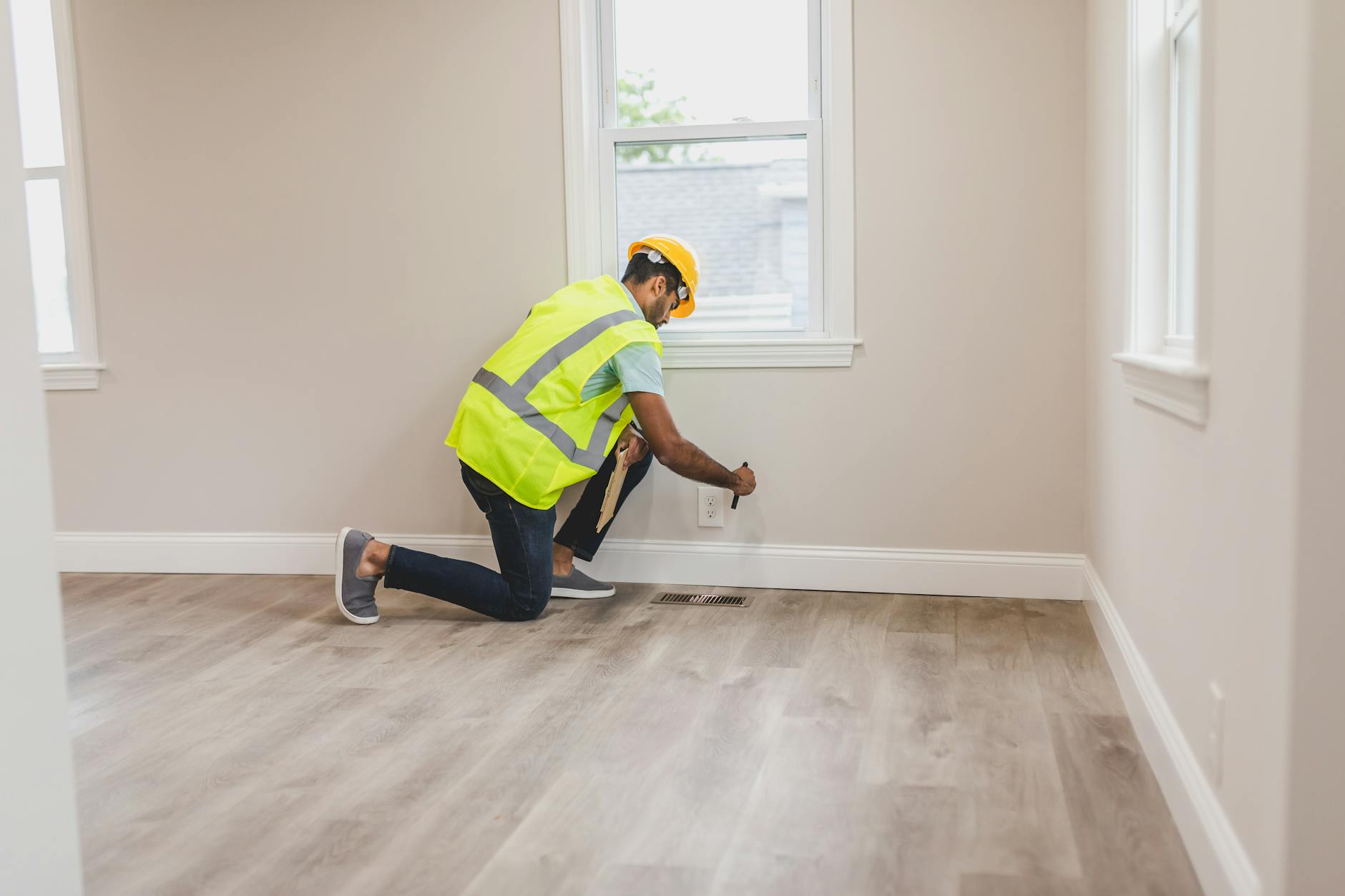
Additionally, consider investing in mold-resistant materials, especially if you're in a high-humidity area. Mold-resistant drywall and paints can provide an extra layer of protection against moisture infiltration.
If you find that mold has already begun to develop, it’s imperative to act quickly. Mold removal can be hazardous if not handled correctly. In such cases, it’s best to reach out to professionals experienced in black mold removal or other specialized remediation services. They have the tools and expertise to safely eliminate mold while preventing cross-contamination.
Lastly, always keep an eye on your plumbing system to catch leaks early. Regularly inspect under sinks, behind appliances, and in areas prone to moisture. If you notice any signs of a leak, such as water stains or a sudden increase in your water bill, address it immediately. For plumbing issues, you can consult with a trusted service like Broward Plumbing Pros, who can assist with refrigerator water line leaks and more.
After water damage, the stress of potential mold growth can feel daunting. However, by taking swift action and implementing preventive measures, you can safeguard your home effectively. Remember, your health and your family’s wellbeing should always come first. Don’t hesitate to seek professional help when needed. Together, we can ensure your home remains a safe and healthy environment.
For more insights on how plumbing issues can affect your home, check out this informative article on how pipe leaks inside walls damage your home.