The Essential Steps For Swift Mold Remediation After Storm Damage In Broward
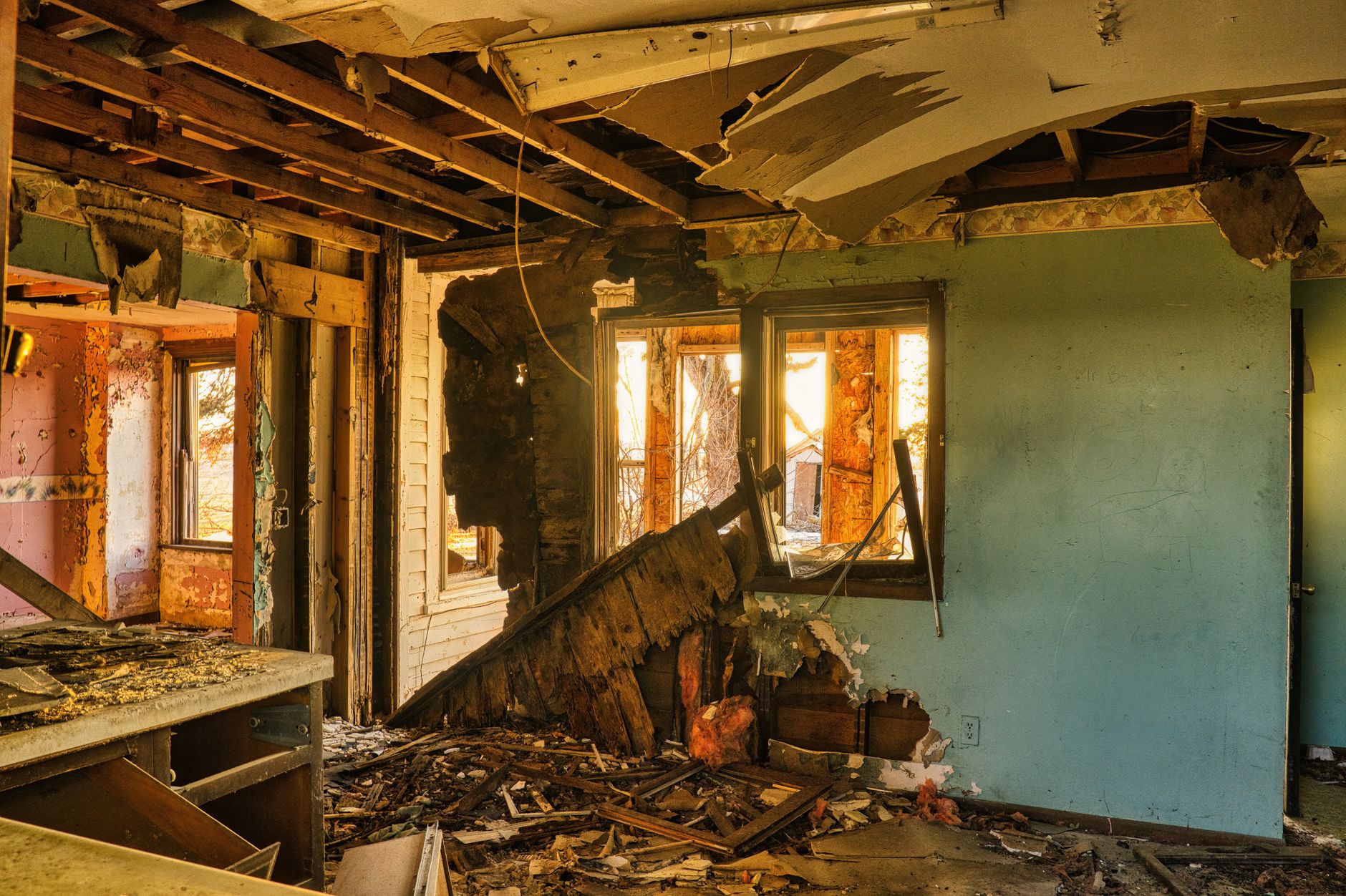
Experiencing storm damage to your home can be overwhelming. The aftermath often leaves behind more than just debris; moisture can seep into your walls and furnishings, creating the perfect environment for mold to thrive. In Broward County, where humidity levels are high, addressing mold issues swiftly is essential to protect both your home and health.
When you first notice signs of mold, whether it’s a musty odor or visible growth, take a deep breath. You're not alone in this—many homeowners face similar challenges after a storm. However, it's crucial to act quickly. Mold can spread rapidly, potentially leading to health issues and increased repair costs.
Understanding Mold Growth
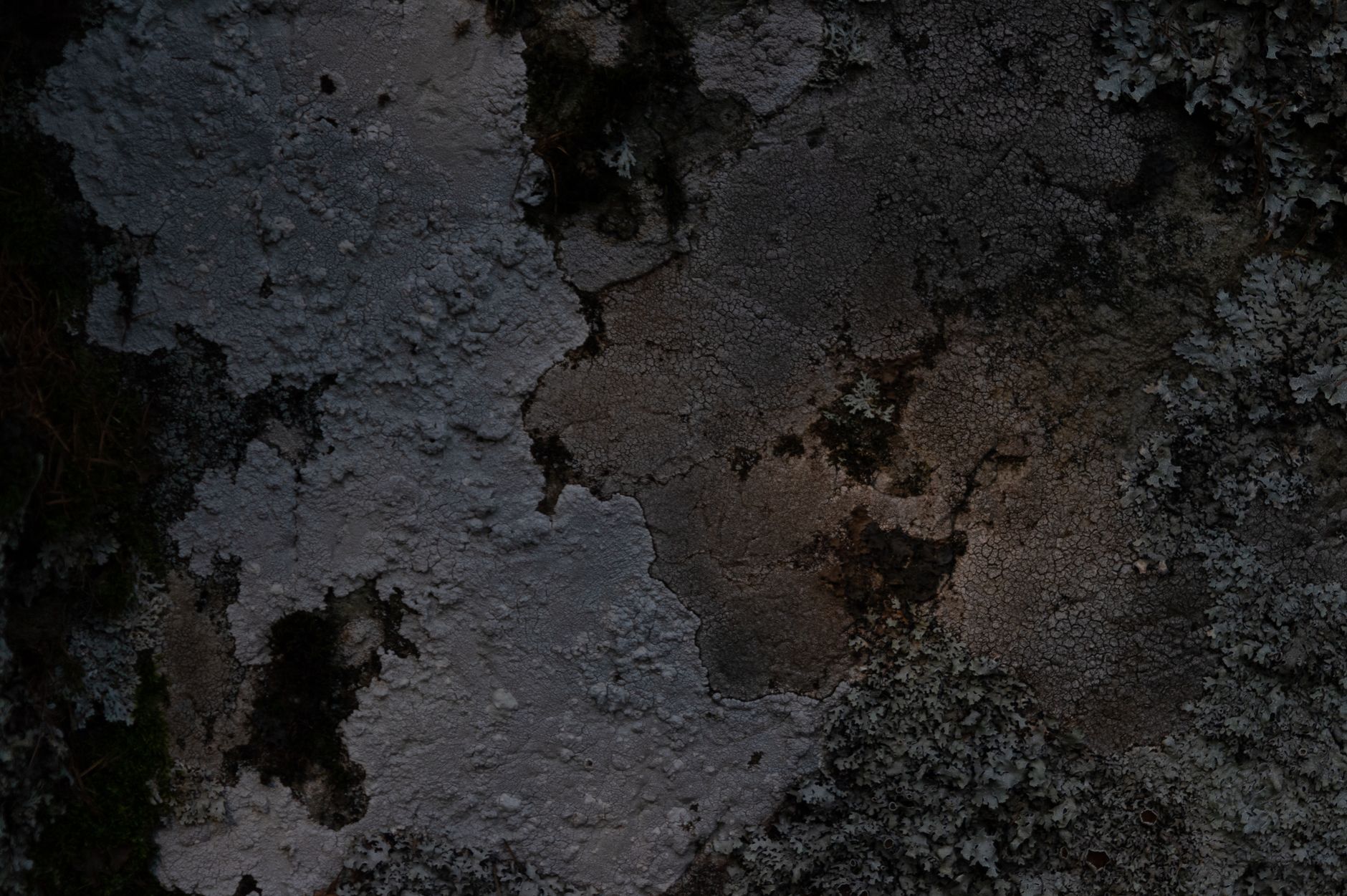
Mold spores are present in the air around us, and they only need moisture and organic material to begin growing. After a storm, it’s common for homes to experience leaks or flooding, providing the moisture mold needs. Here are some common areas where mold tends to flourish:
- Basements
- Attics
- Bathrooms
- Behind walls and under flooring
Identifying the source of moisture is the first step in effective mold remediation. If you suspect water damage, consider checking your water damage restoration services for immediate assistance.
Steps for Effective Mold Remediation
To tackle the mold problem effectively, follow these essential steps:
1. Assess the Damage
Begin by evaluating the extent of the mold growth. If the affected area is larger than 10 square feet, it's advisable to call in professionals who specialize in mold removal. For smaller areas, you might consider handling it yourself, but ensure to wear protective gear.

2. Contain the Affected Area
To prevent mold spores from spreading, seal off the affected area. Use plastic sheeting and duct tape to cover doors and vents. This step is critical, especially if you’re dealing with black mold, which can be more hazardous than other mold types.
3. Remove Contaminated Materials
Dispose of any porous materials that are contaminated, such as drywall, carpeting, or insulation. These materials can harbor mold spores even after cleaning. For solid surfaces, scrub using a mixture of water and detergent or a specialized mold removal solution.
4. Dry the Area Thoroughly
After cleaning, it’s vital to dry the area completely. Use fans, dehumidifiers, or even natural sunlight if possible. The goal is to reduce humidity levels in your home to prevent future mold growth.
5. Apply Antimicrobial Treatment
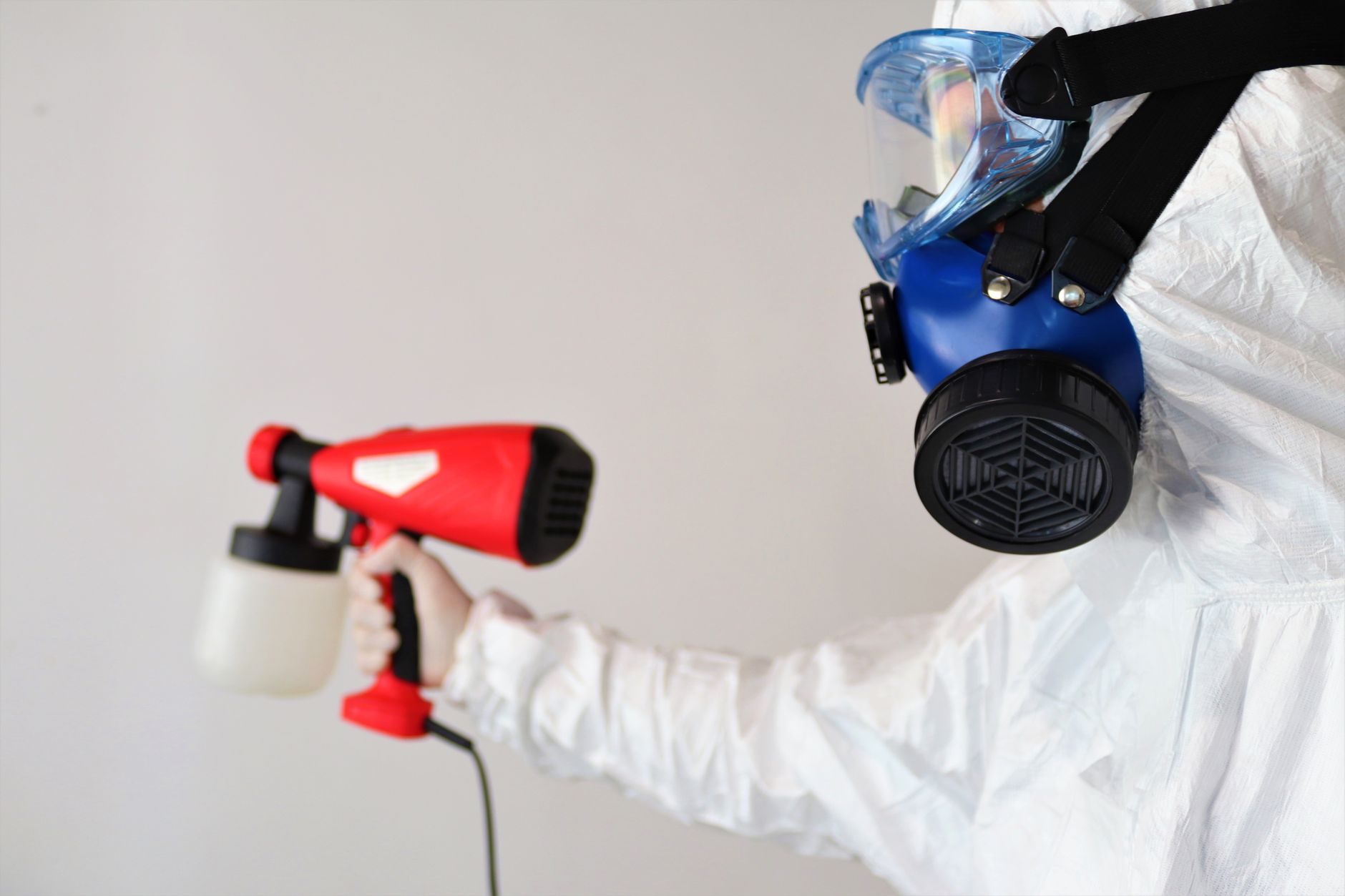
Once the area is dry, applying an antimicrobial treatment can help eliminate any remaining mold spores and inhibit future growth. This is especially important in areas susceptible to moisture, such as bathrooms and kitchens. Consider professional antimicrobial treatment for best results.
6. Monitor for Recurrence
After remediation, keep an eye on the affected area. If you notice any signs of mold returning, it might be necessary to reassess your approach or consult a professional mold removal service.
When to Call Professionals
If the mold covers a large area, if you have health concerns, or if the water damage is significant, it's best to contact a restoration expert. They can also help with insurance claims related to storm damage. For immediate assistance, reach out to your local mold remediation specialists.
Additionally, if your home has experienced plumbing issues during the storm, such as a sewage backup, consider reaching out to Broward Plumbing Pros. Their team can assist with AC drain line leaks and other plumbing concerns that may have arisen.
Final Thoughts
Dealing with mold after storm damage is no small task, but understanding the steps can help you manage the situation effectively. Remember, the sooner you act, the better the outcome for your home and health. For detailed guidance and professional help, don’t hesitate to contact local restoration services.
For more information on maintaining your home and preventing future issues, you might find our partner’s blog on winterizing plumbing helpful.