
How To Create A Mold Remediation Plan For Your Broward Home
Discovering mold in your home can be a stressful experience. Whether it’s a small patch on the bathroom wall or a more extensive growth in your basement, the presence of mold can indicate underlying moisture issues that need immediate attention. Crafting a mold remediation plan is essential not only to remove the mold but also to prevent its return. Here’s how to create an effective mold remediation plan for your Broward home.
Understanding Mold Growth
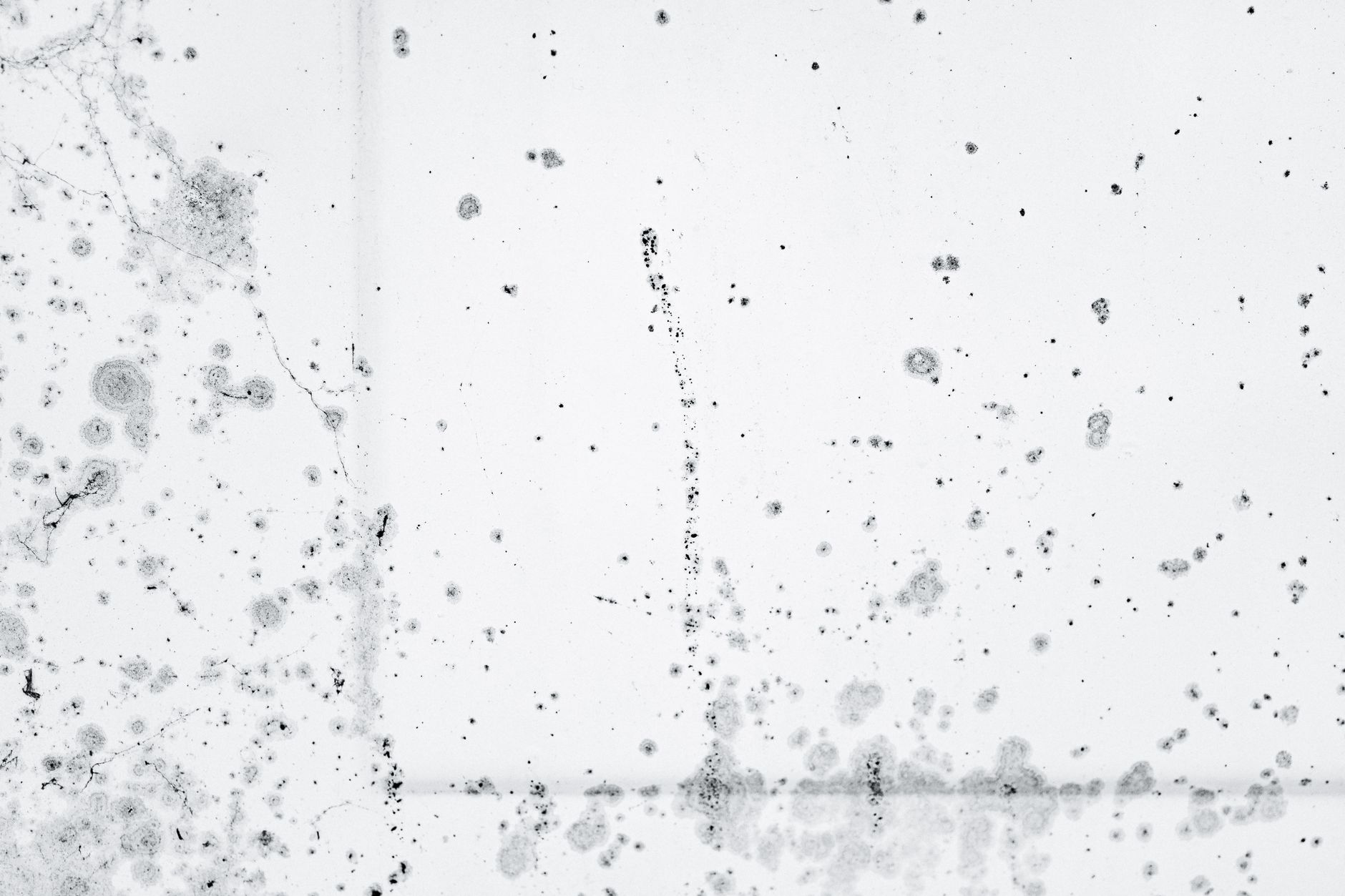
Mold thrives in damp, humid environments. In Broward County, with our warm climate and occasional heavy rains, it’s particularly important to address any water intrusion promptly. Mold can grow on various surfaces, including wood, drywall, and even carpeting, often beginning as a subtle discoloration before developing into a more severe problem.
Step 1: Identify the Source of Moisture
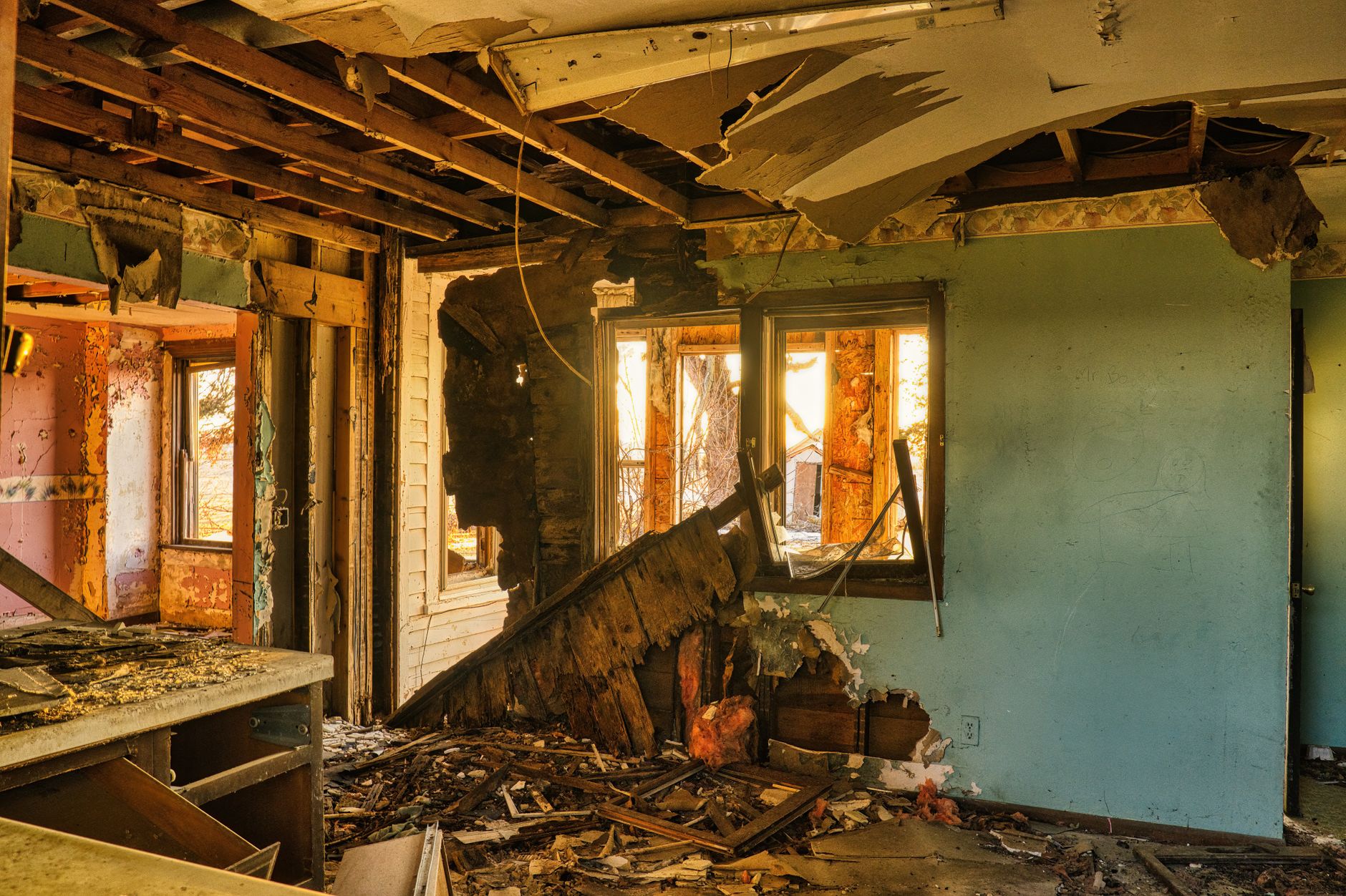
The first step in your mold remediation plan is to identify and address the source of moisture. This could be due to:
- Leaky roofs or plumbing
- High humidity levels
- Condensation from air conditioning units
- Flooding from storms or other water intrusion
For example, if you have experienced an AC leak, it’s crucial to fix the issue before you start mold removal. If you’re unsure about the source, consider consulting a professional who specializes in water damage restoration.
Step 2: Contain the Affected Area
Once you’ve identified the moisture source and made repairs, it’s time to contain the mold-affected area to prevent spores from spreading. This can be done by:
- Sealing off the affected area with plastic sheeting
- Turning off HVAC systems to avoid circulation
- Using air purifiers with HEPA filters to capture airborne spores
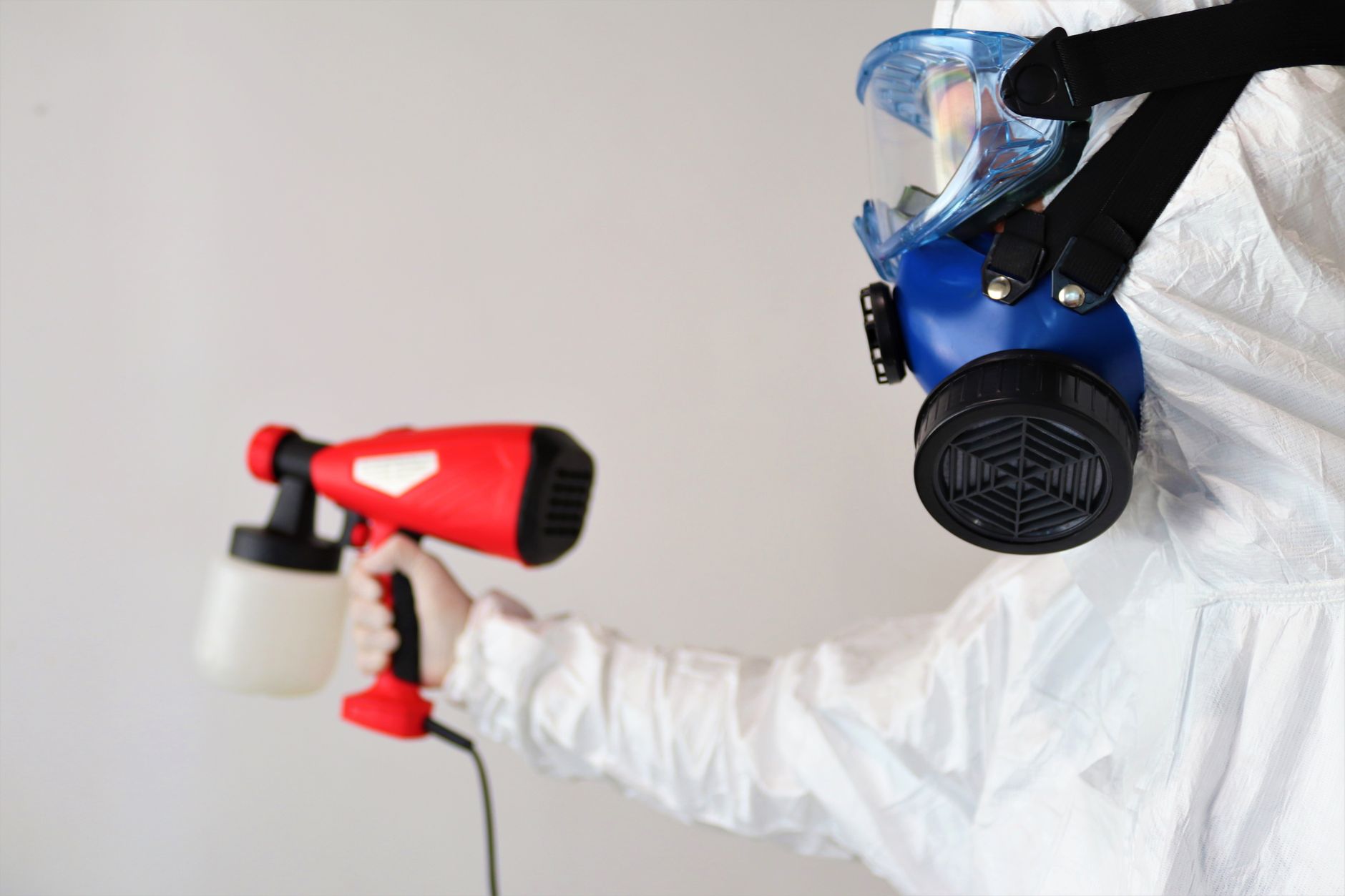
Take care when working in the area—wear protective gear such as gloves, goggles, and masks to avoid inhaling mold spores.
Step 3: Remove Moldy Materials
The next step is to remove all contaminated materials. For porous materials like drywall or carpet, it’s often best to dispose of them entirely. Non-porous surfaces can be cleaned with a solution of water and detergent or a specialized antimicrobial treatment. Be sure to follow guidelines from health organizations or consult a mold remediation specialist for safe removal practices.
Step 4: Dry the Area Thoroughly
After removing mold, it is vital to dry the area completely. Use fans, dehumidifiers, or natural ventilation to ensure that all surfaces are dried out. This step is critical as any remaining moisture can lead to mold's rapid return.
Step 5: Apply Preventive Measures
To prevent future mold growth, consider implementing these measures:
- Regularly inspect and maintain your home’s plumbing and roofing
- Keep indoor humidity levels below 60%
- Ensure proper ventilation in high-moisture areas, such as bathrooms and kitchens
After you've taken these steps, you may also want to consider professional mold testing and air quality assessments to ensure your home is safe.
When to Call in the Professionals
If the mold growth is extensive (greater than 10 square feet), or if you’re dealing with black mold, it’s wise to contact a professional remediation service. They have the tools and expertise to handle hazardous materials safely and effectively. For assistance, Broward Restoration Pros can guide you through the remediation process.
Additionally, if your mold issues stem from plumbing problems, you may want to consult with local experts like Broward Plumbing Pros for any necessary repairs.
Conclusion
Creating a mold remediation plan is crucial to maintaining a safe and healthy home in Broward County. By following these steps, you can effectively eliminate mold and create an environment that discourages its return. Remember, if at any point the process feels overwhelming, don't hesitate to reach out for professional help. Making your home safe again is paramount, and you do not have to navigate this alone.
For more information on maintaining your home’s integrity, check out this informative article on water pressure in your Broward home.