The Unseen Risks of Post-Storm Water Intrusion in Broward Homes
In the aftermath of a storm, many homeowners in Broward County may breathe a sigh of relief once the skies clear. However, this relief can be short-lived as the reality of water intrusion sets in. Water can seep into your home in ways that are often hidden from view, creating potential hazards that can lead to costly damage and health risks. Understanding the unseen risks associated with post-storm water intrusion is essential for every homeowner.
Understanding Water Intrusion
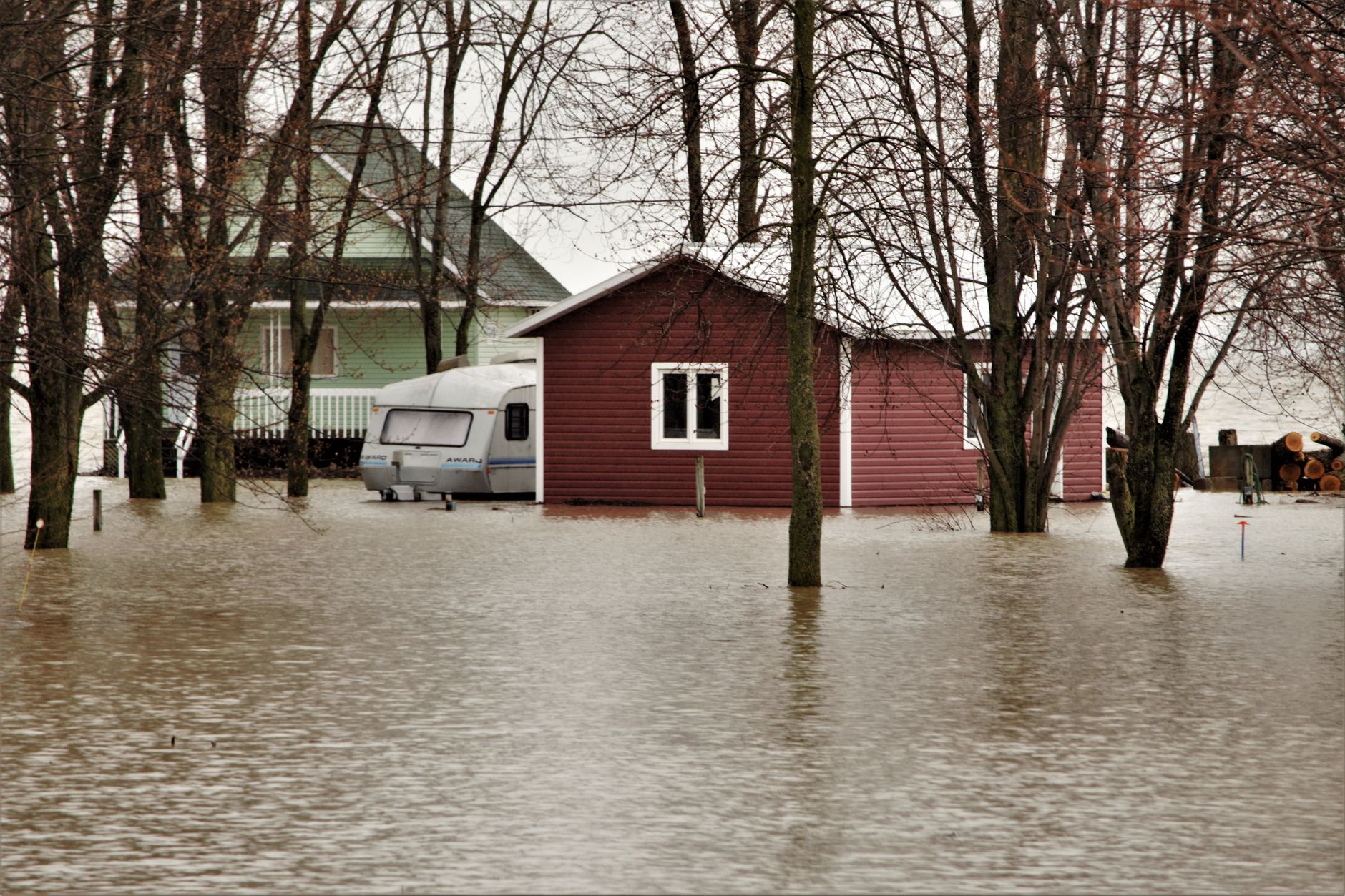
Water intrusion occurs when water enters a structure where it shouldn’t, often as a result of heavy rainfall, flooding, or even a leaky roof. It can manifest through various entry points, including:
- Basements and crawlspaces
- Walls and foundations
- Windows and doors
- Roof leaks
Even a small leak can lead to significant issues if not addressed promptly. It’s important to recognize that the damage can accumulate over time, often going unnoticed until it’s too late.
The Hidden Dangers
While you may think that minor water intrusion is manageable, it can lead to serious problems. Here are a few hidden dangers you should be aware of:
Mold Growth
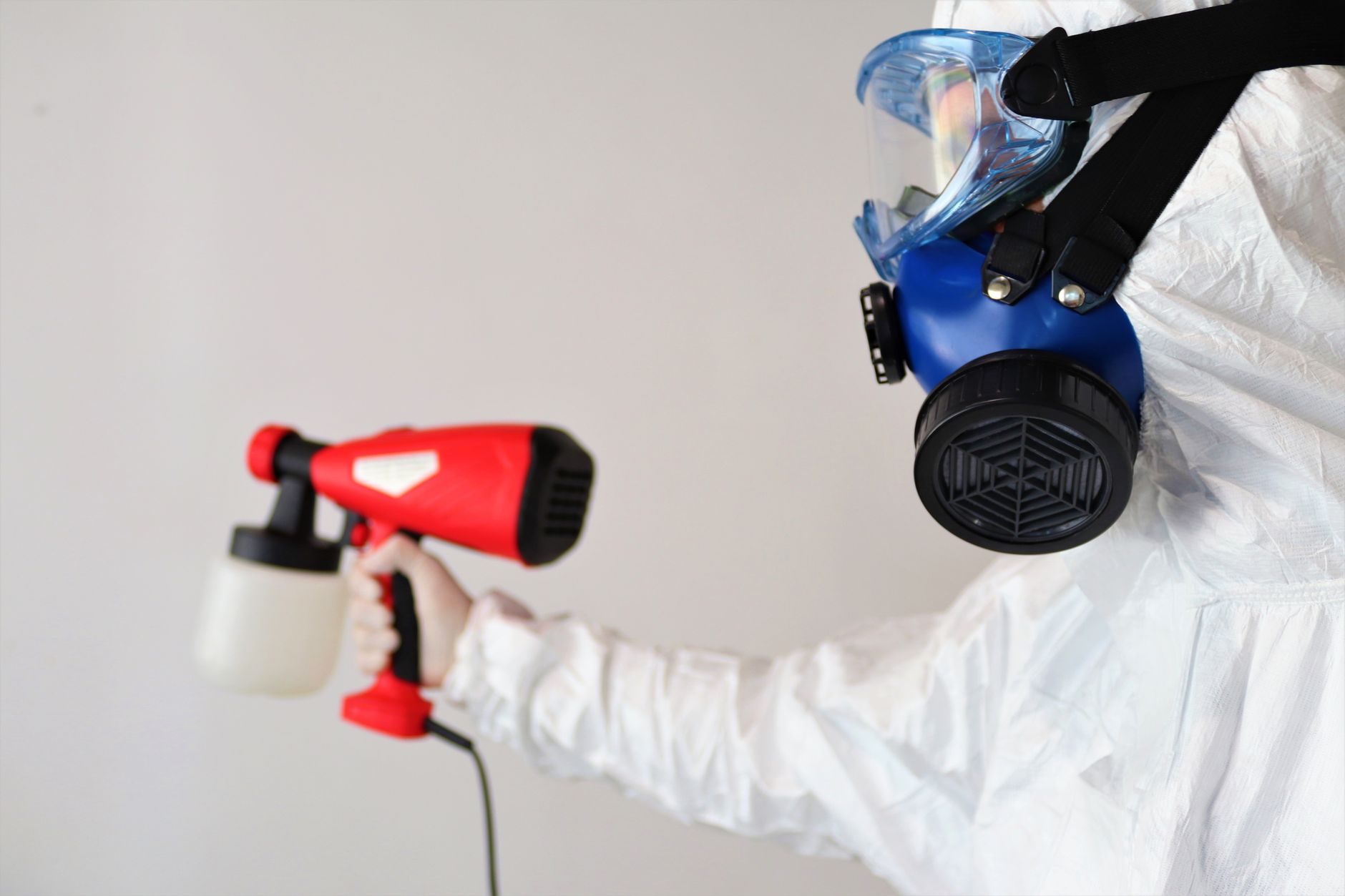
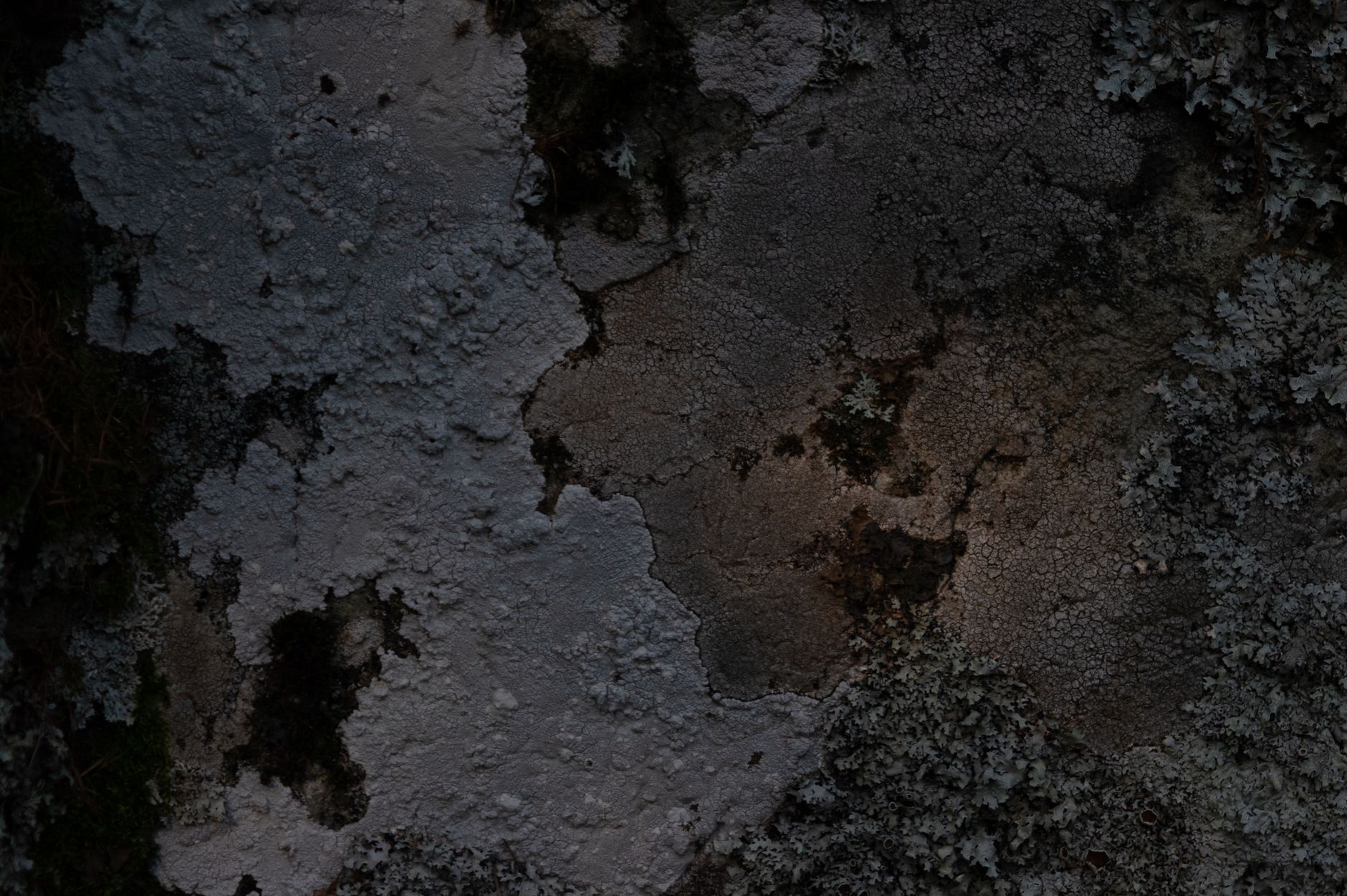
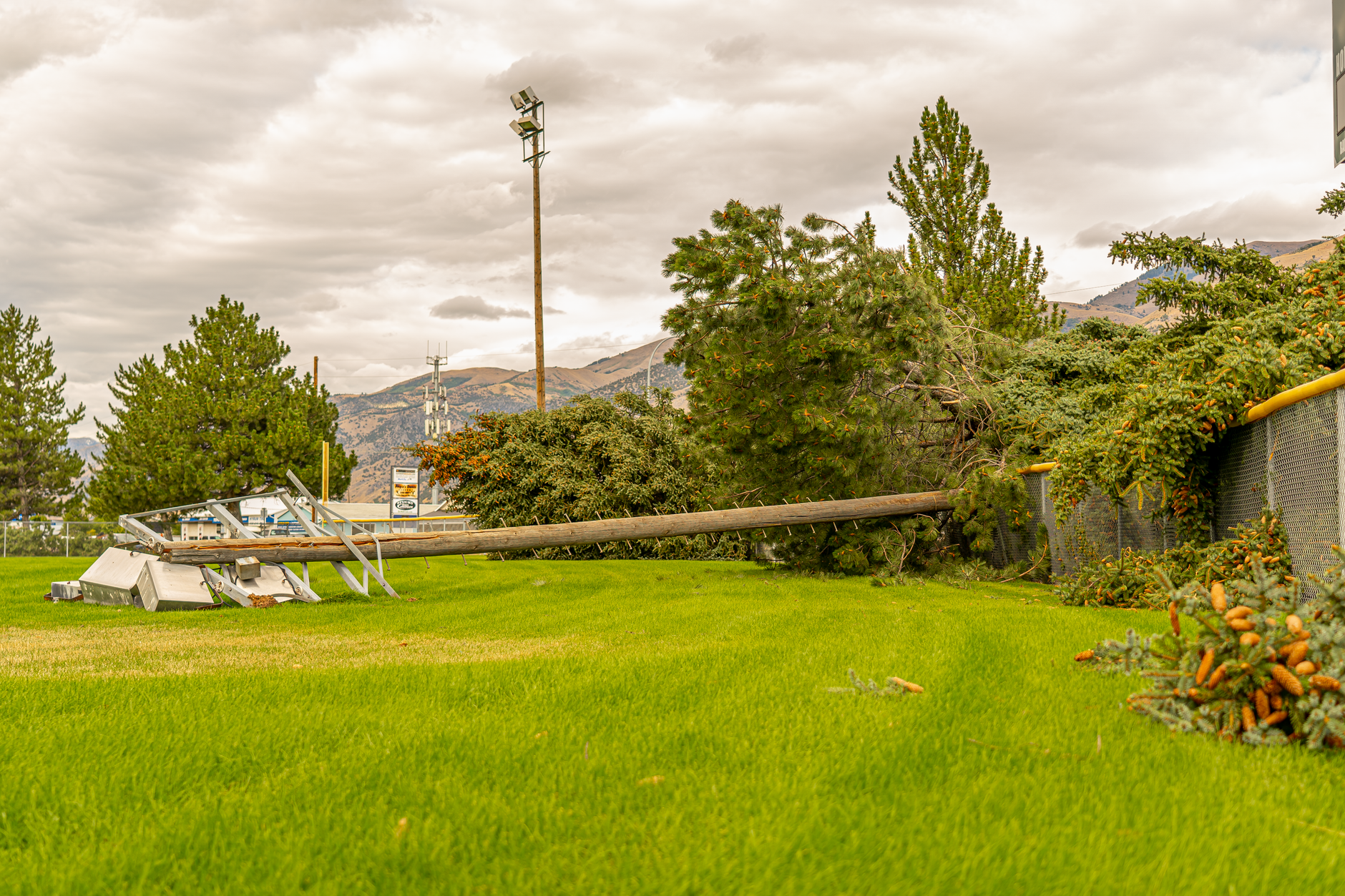
Mold can begin to grow within 24 to 48 hours after water intrusion. This not only damages your property but can also create health issues for your family. Symptoms of mold exposure can include respiratory problems, allergies, and skin irritation. If you suspect mold growth, it’s crucial to address it immediately. Consider mold removal services to ensure your home is safe.
Structural Damage
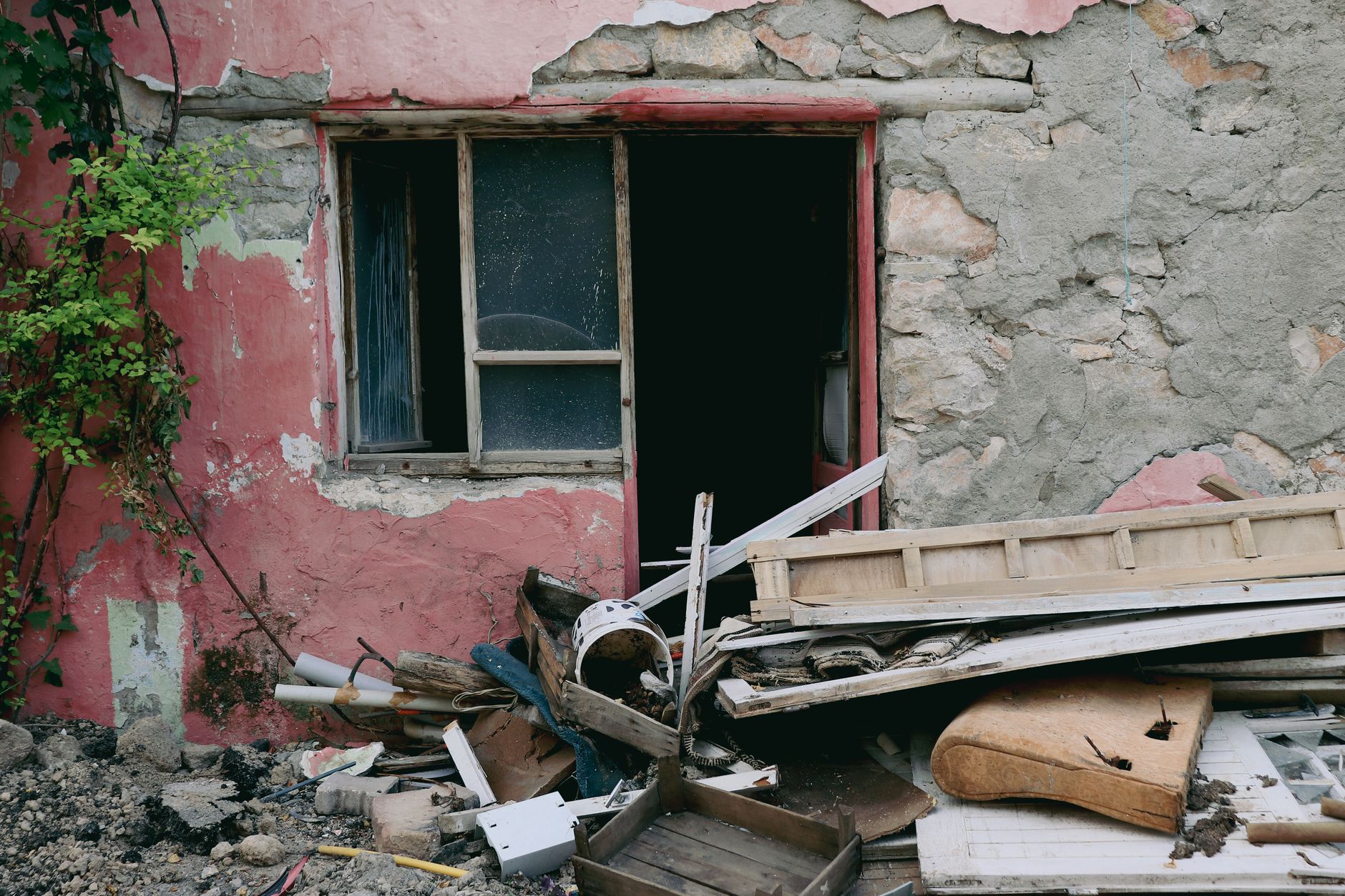
Prolonged exposure to moisture can weaken your home’s structure. Wood rot, rusting of metal components, and damage to insulation can compromise the integrity of your home. In severe cases, this may require extensive repairs or even reconstruction. Regular inspections can help catch these issues early.
Electrical Hazards
Water and electricity are a dangerous combination. Water intrusion can create serious electrical hazards, posing risks of shock or fire. If you notice water near electrical outlets or appliances, it’s essential to turn off power to the affected areas and consult a professional.
What to Do After a Storm
After a storm passes, take the following steps to assess and mitigate water intrusion risks:
- Inspect your property for visible signs of water intrusion.
- Check basements and crawlspaces for moisture and standing water.
- Examine roofs, windows, and doors for leaks.
- Document any damage for insurance purposes.
- Contact a restoration professional for an assessment if you suspect water intrusion.
By taking these steps, you can help protect your home from the unseen risks of water intrusion.
When to Call a Professional
If you discover significant water intrusion or if you suspect mold growth, it’s time to call in the professionals. A restoration contractor can provide a thorough assessment and recommend the appropriate mitigation strategies. Consider reaching out for services like 24-hour water damage restoration to address emergencies promptly.
Preventing Future Issues
To prevent future water intrusion, consider investing in preventive measures. This may include:
- Regular roof inspections and maintenance
- Proper grading around your home’s foundation
- Installing sump pumps in basements
- Sealing windows and doors
Additionally, consider upgrading your plumbing systems to ensure they can withstand heavy rain and storms.
Conclusion
Water intrusion may seem like a minor inconvenience, but the associated risks can be severe. By understanding the hidden dangers and taking proactive measures, you can protect your home and family from the effects of post-storm water damage. If you have concerns after a storm, don’t hesitate to reach out to professionals for assistance and guidance. For more information on home maintenance, check out this insightful blog on water quality.